-
Martin Born
Standard-nonrigidmborn@mborn.eu
+358 40 532 98 98Collaborators, clients and presentation sites: XORG, Reconfiguring Territories, Heat Island, Museum of Impossible Forms, HIAP—Helsinki International Artist Programme, Strelka Institute, Iaspis, British Council, Paimio Sanatorium Foundation, Design Museum, Helsinki Design Week, Finnish Ministry of the Environment, University of Oulu, ESCP Europe, Juni, Helsinki New, Around Journal, 21st Century Museum of Contemporary Art Kanazawa, The Contemporary Art Museum of Luxembourg, NAi Rotterdam, Van Abbemuseum Eindhoven, Smena Gallery Kazan, Pobeda Novosibirsk, Finnish Institute in St. Petersburg, Finnish Embassy in Moscow, Kaino Wennerstrand, Johanna Ketola, Jessie Bullivant, Nanni Vapaavuori, Magnus Ericson, Onkar Kular, David Falkner, Ilona Sagar, Fergus Feehily, Pablo Hannon, Rosa Tolnov Clausen, François Dumas, Jerszy Seymour, Collaboratorio, Triad Berlin, Architonic, Vejle Bibliotekerne, Microsoft, Booking.com, University of the Arts Helsinki, Aalto University, Kolding School of Design.
-
Test
-
Aoi Yoshizawa
-
Fiskars Sympathy
-
Sankariliiga
-
Weaving Kiosk furniture
-
Paimio Sanatorium
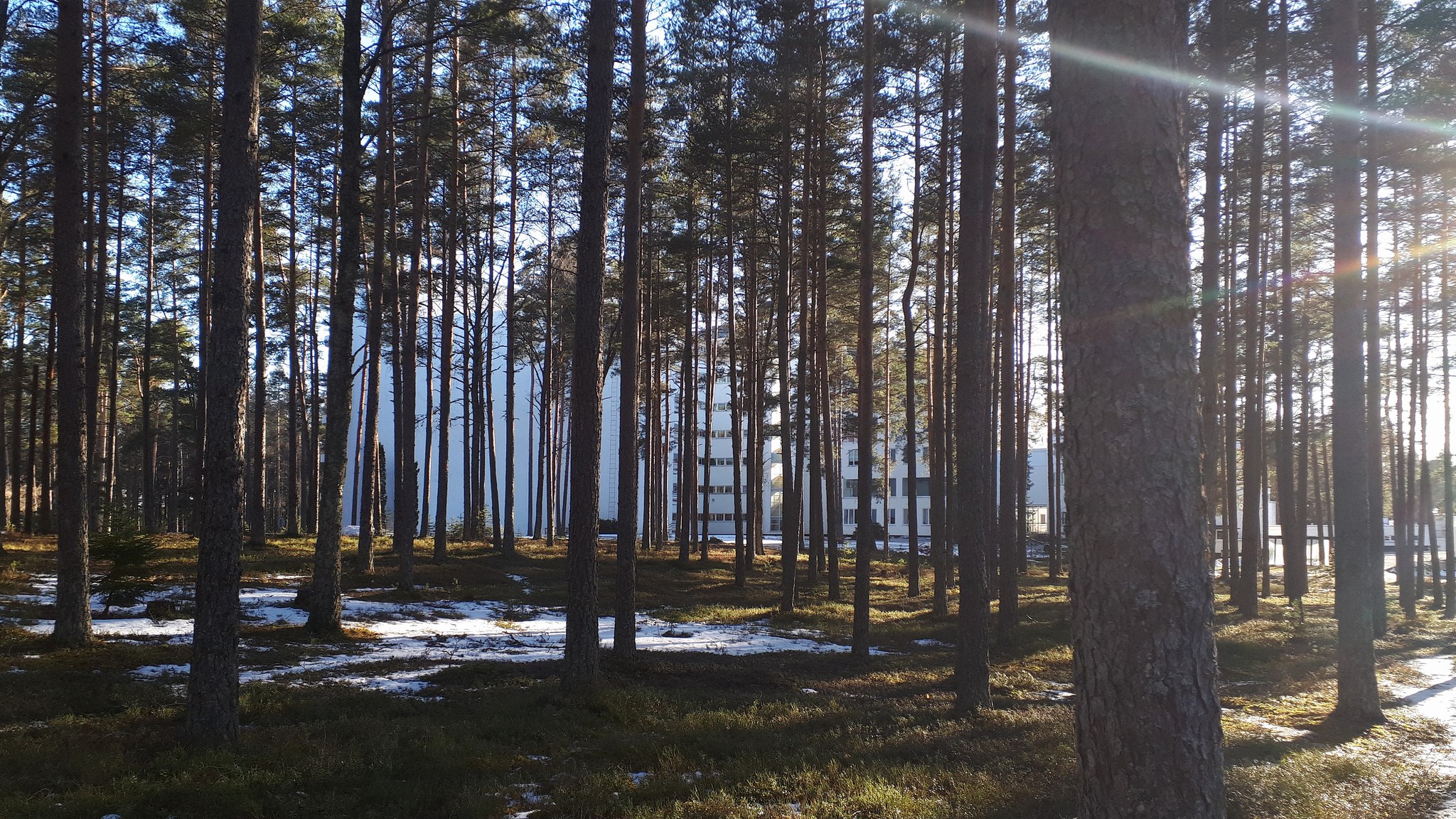
Conception, curating, co-design and -production of the full array of public undertakings that kickstarted the new Paimio Sanatorium Foundation. Including rehearsal residency programmes, summer workshop programming, permanent and temporary exhibitions and plenty architectural interventions.
2021 — 2022
- With
- Ilona Sagar
- Elina Brotherus
- Nanni Vapaavuori
- Kaino Wennerstrand
- Jessie Bullivant
- Johanna Ketola
- Jaakko Pallasvuo
- Sakari Suuronen
- Nina Forsman
- among others
-
Inter-residency conference
-
ɬɾąŋʂɠɛŋıƈ ɧƙı
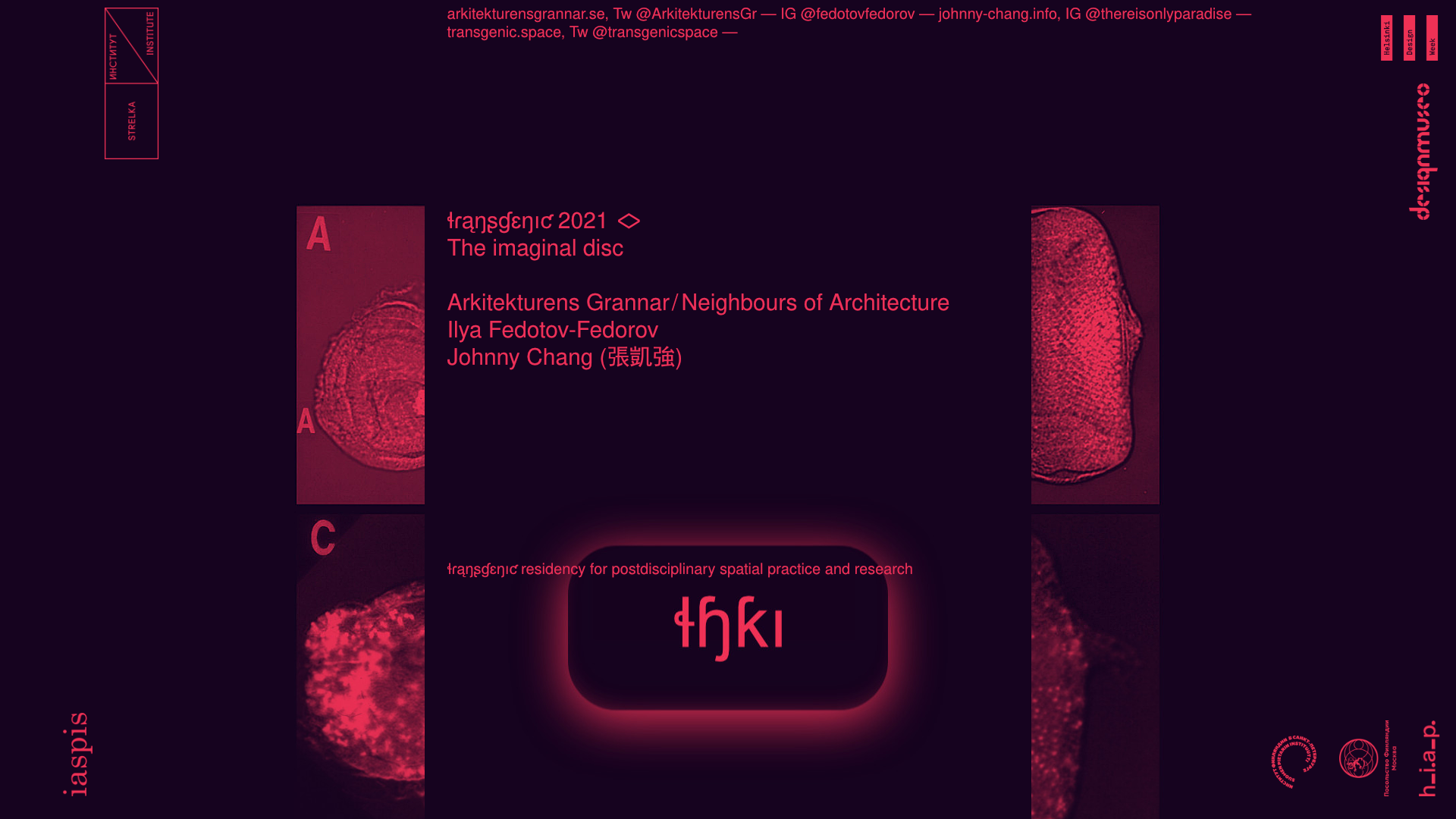
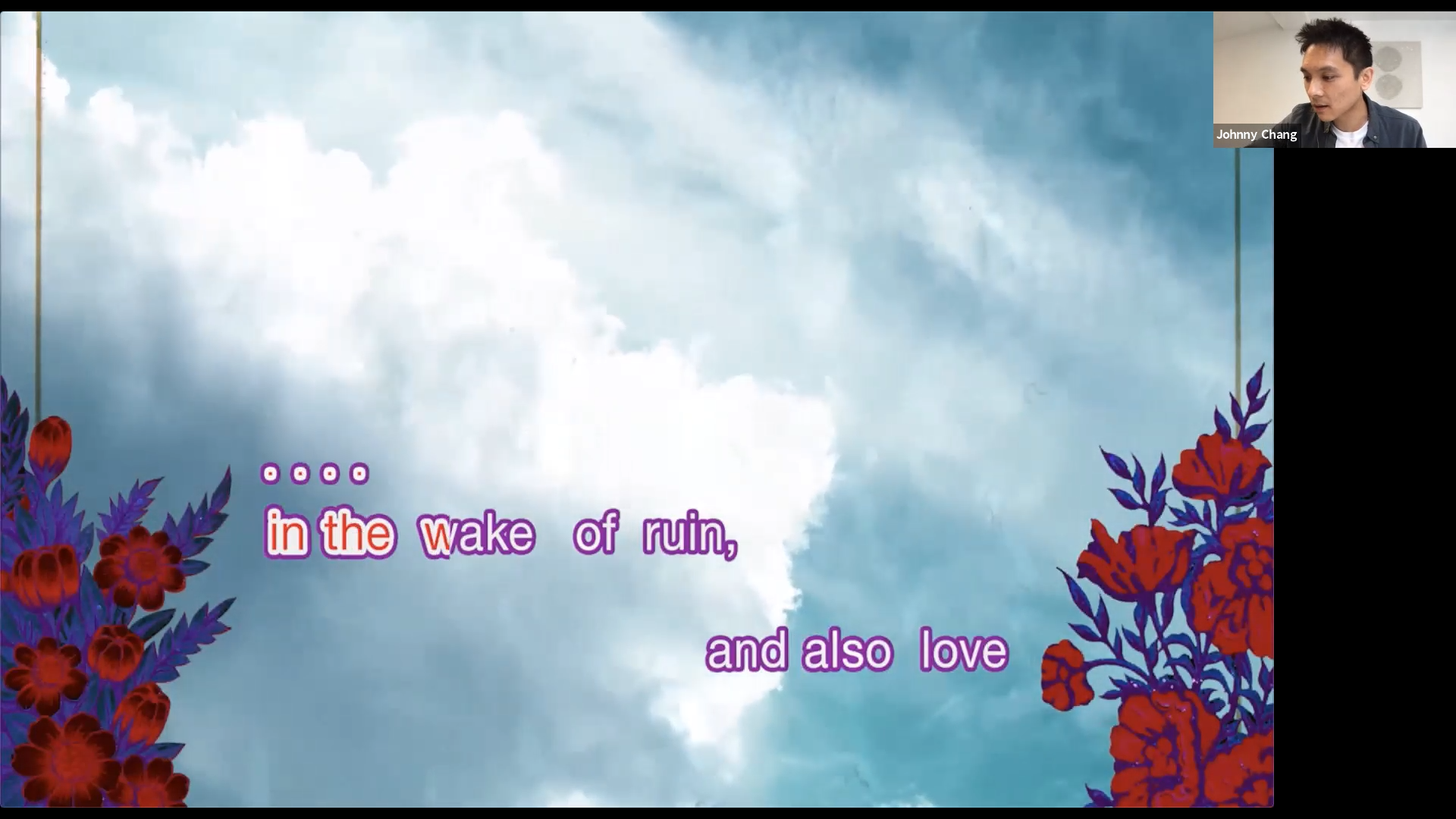
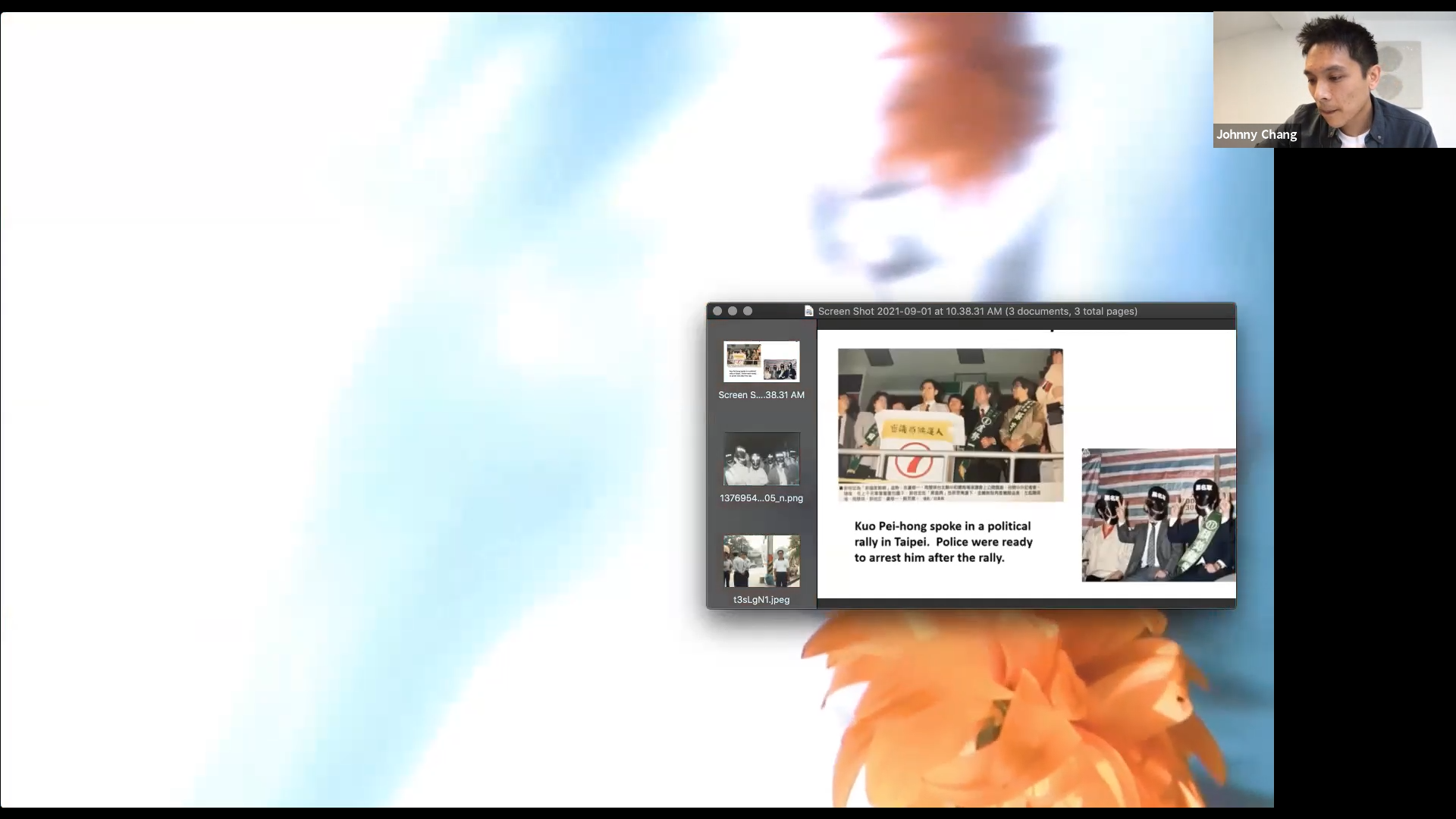
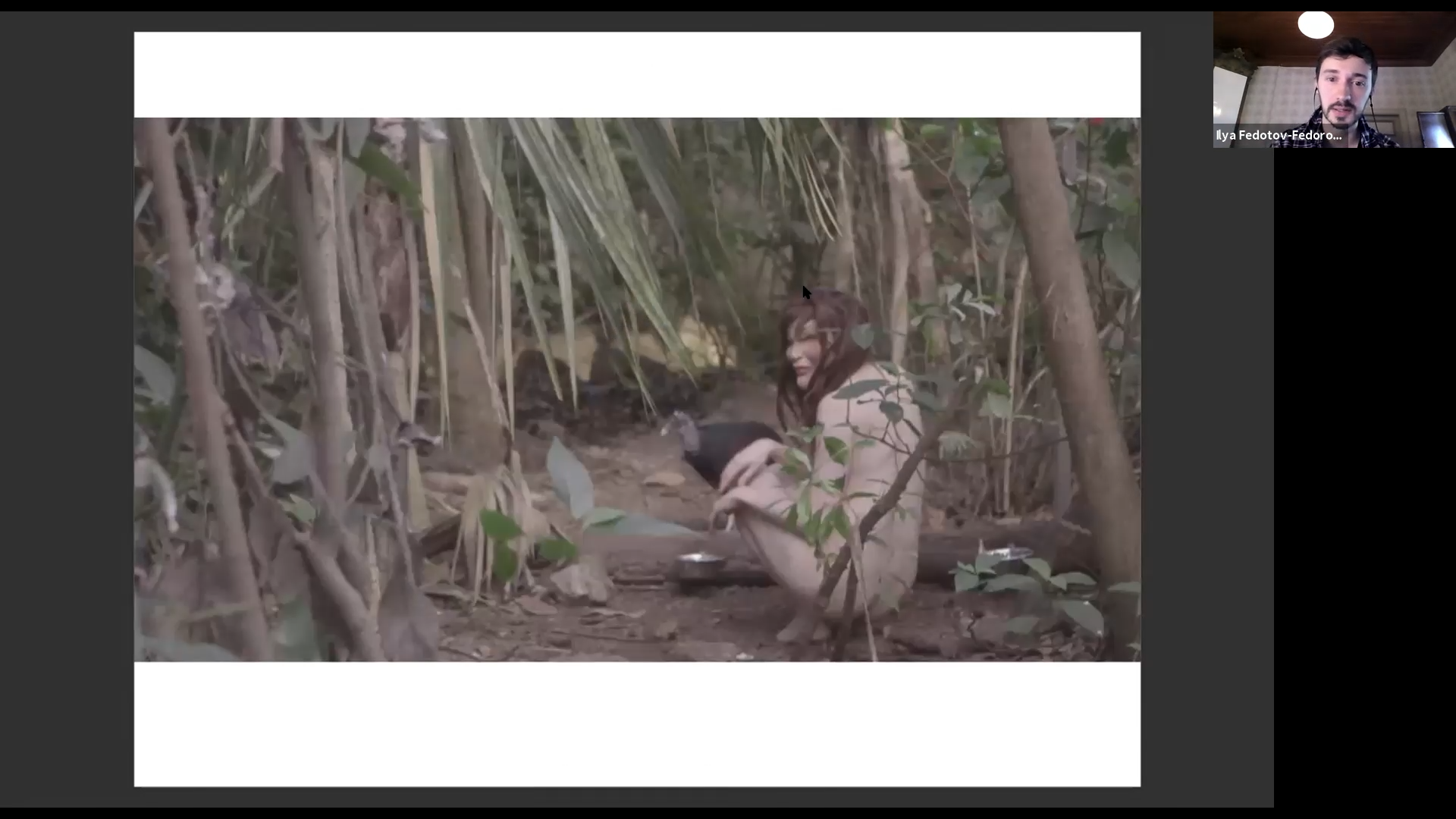
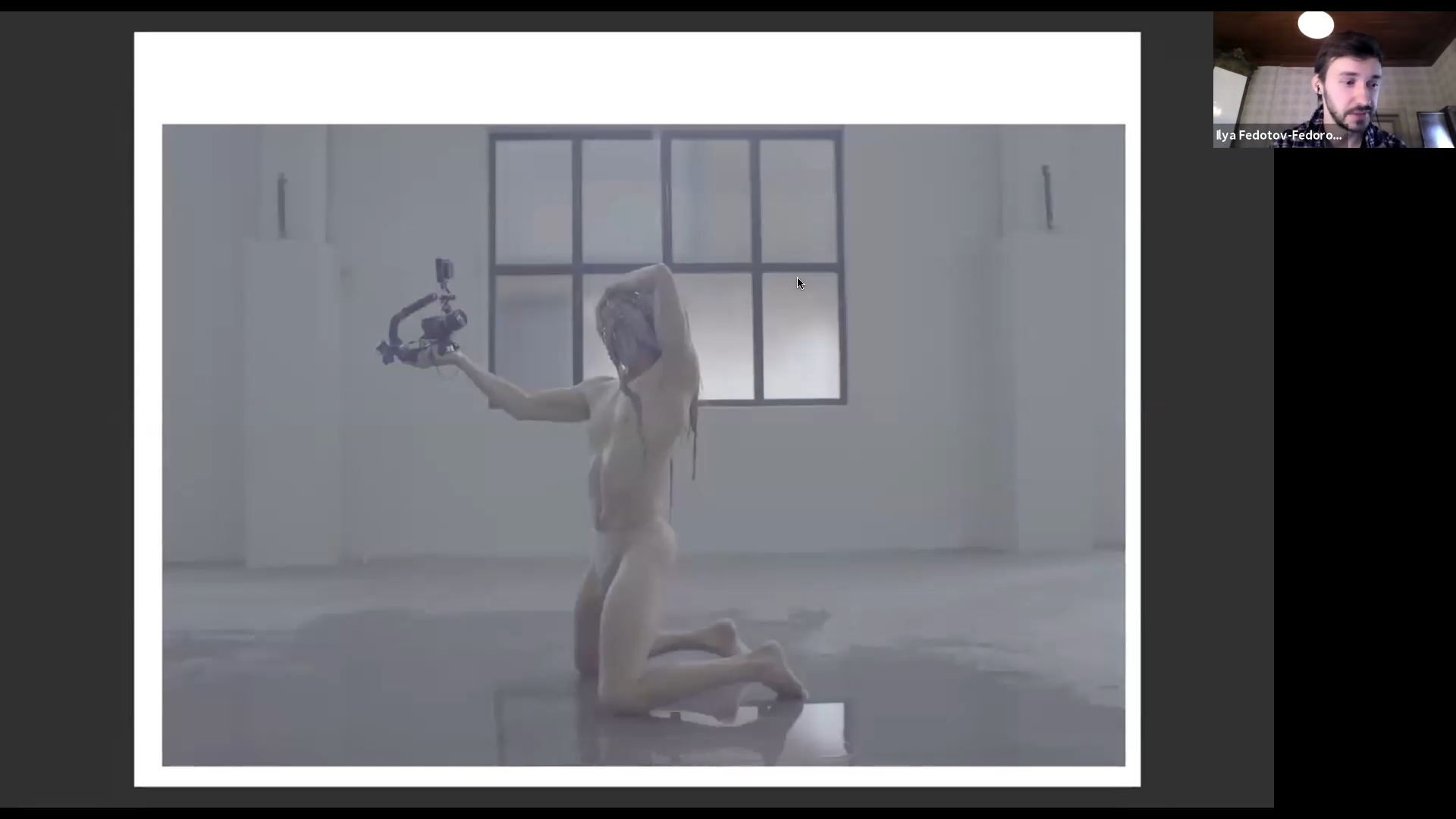
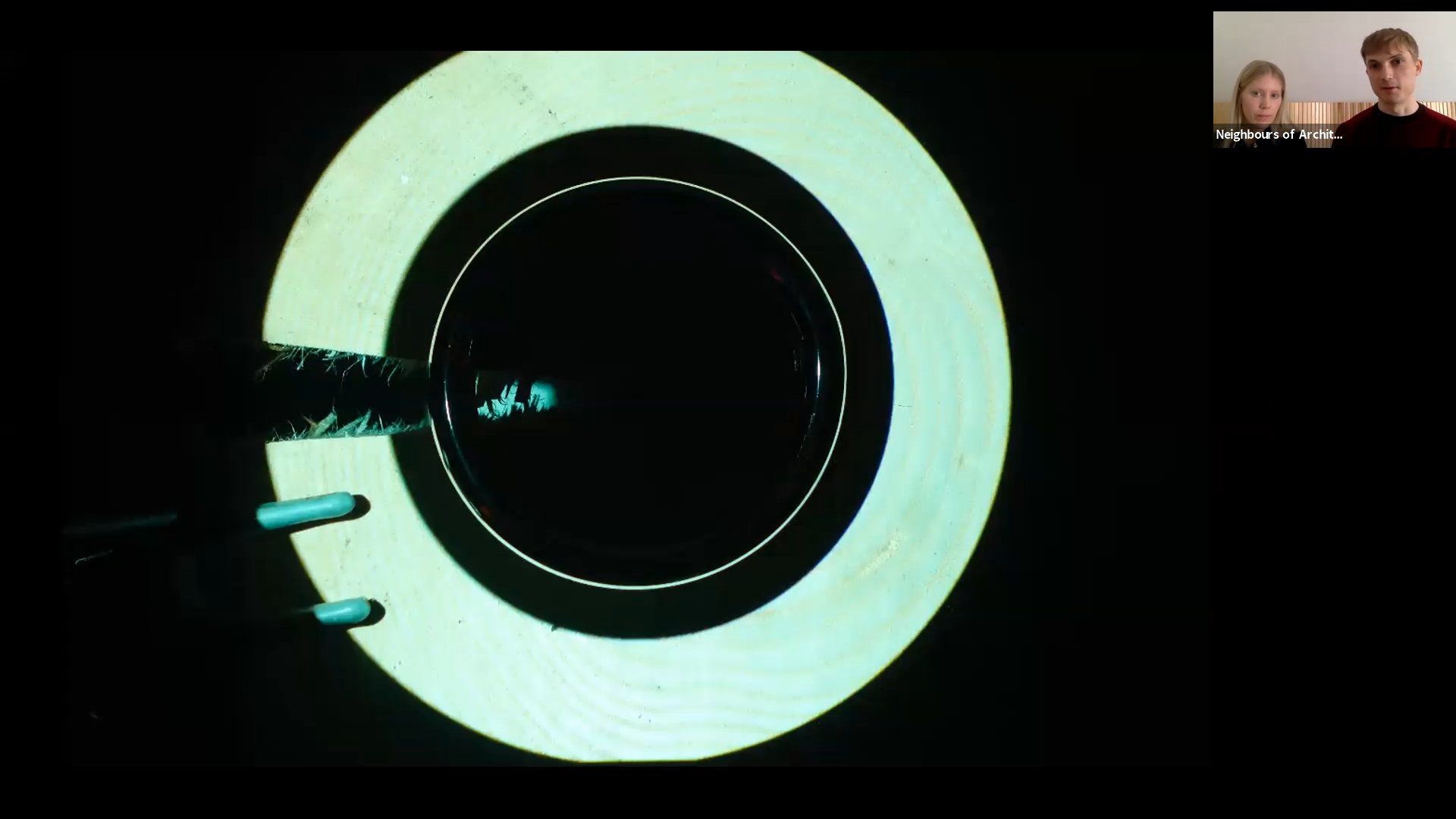
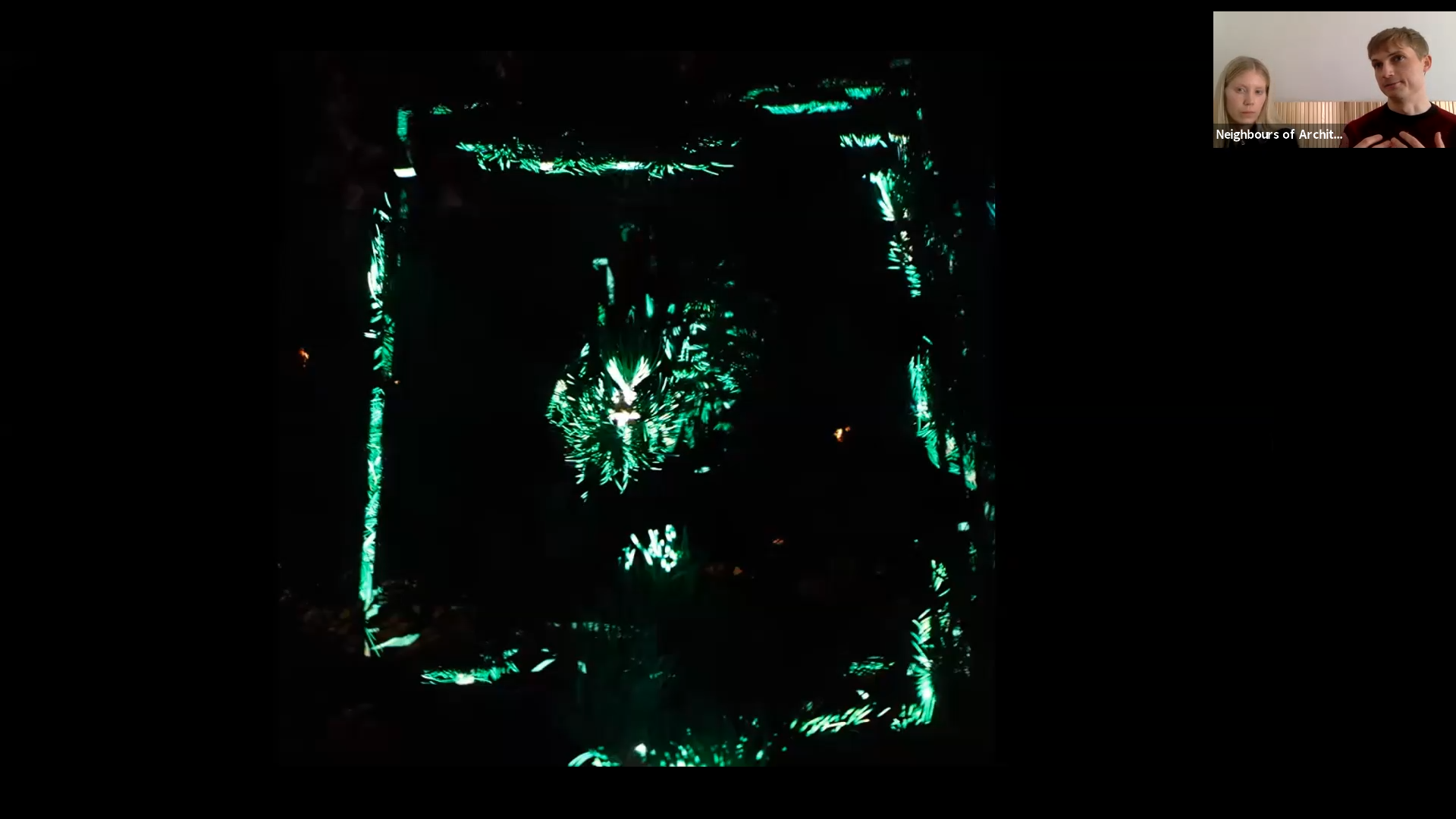
Curating and production of a postdisciplinary residency program for spatial practice and research.
2021
-
Helsinki Design Residency
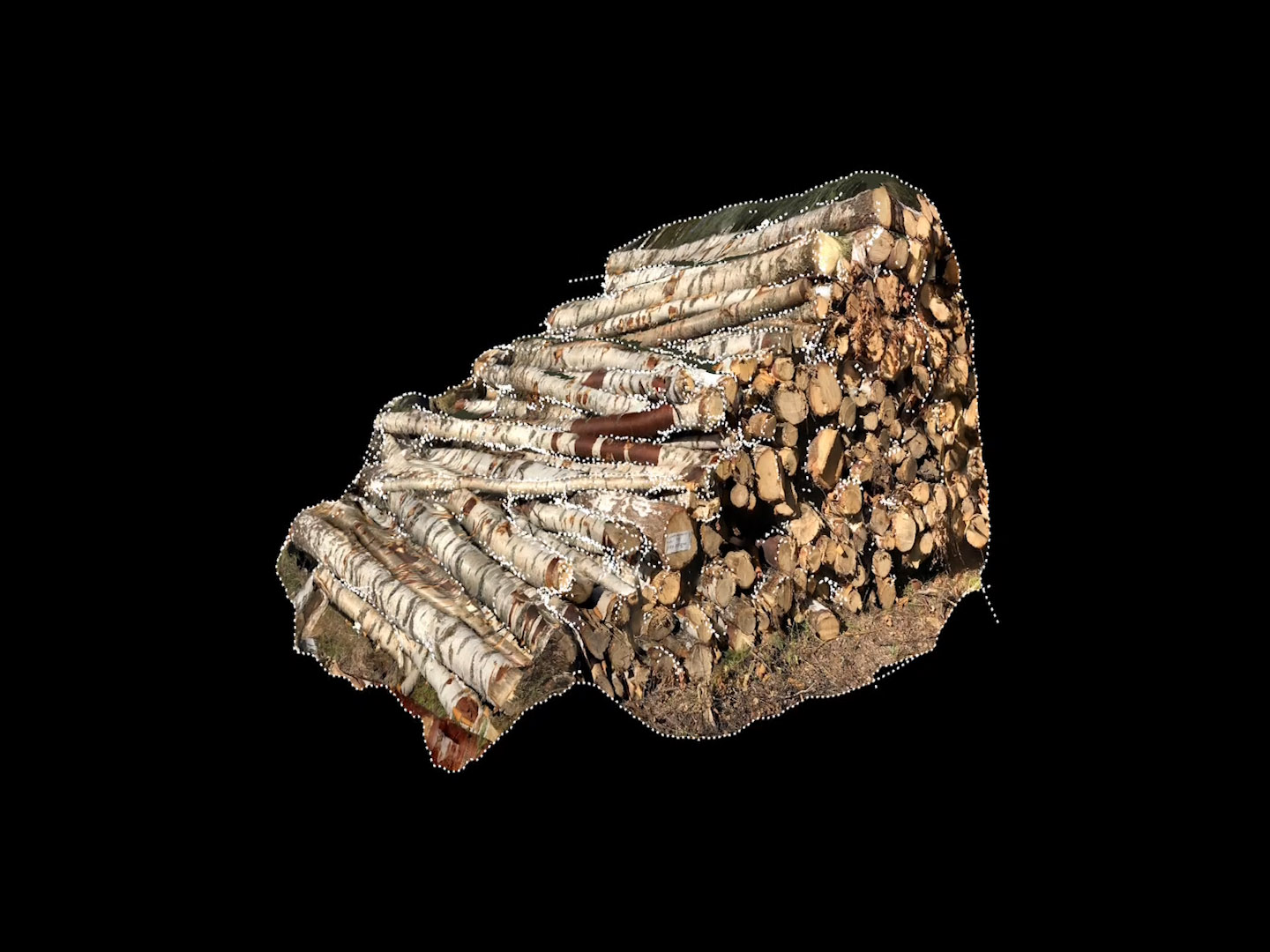
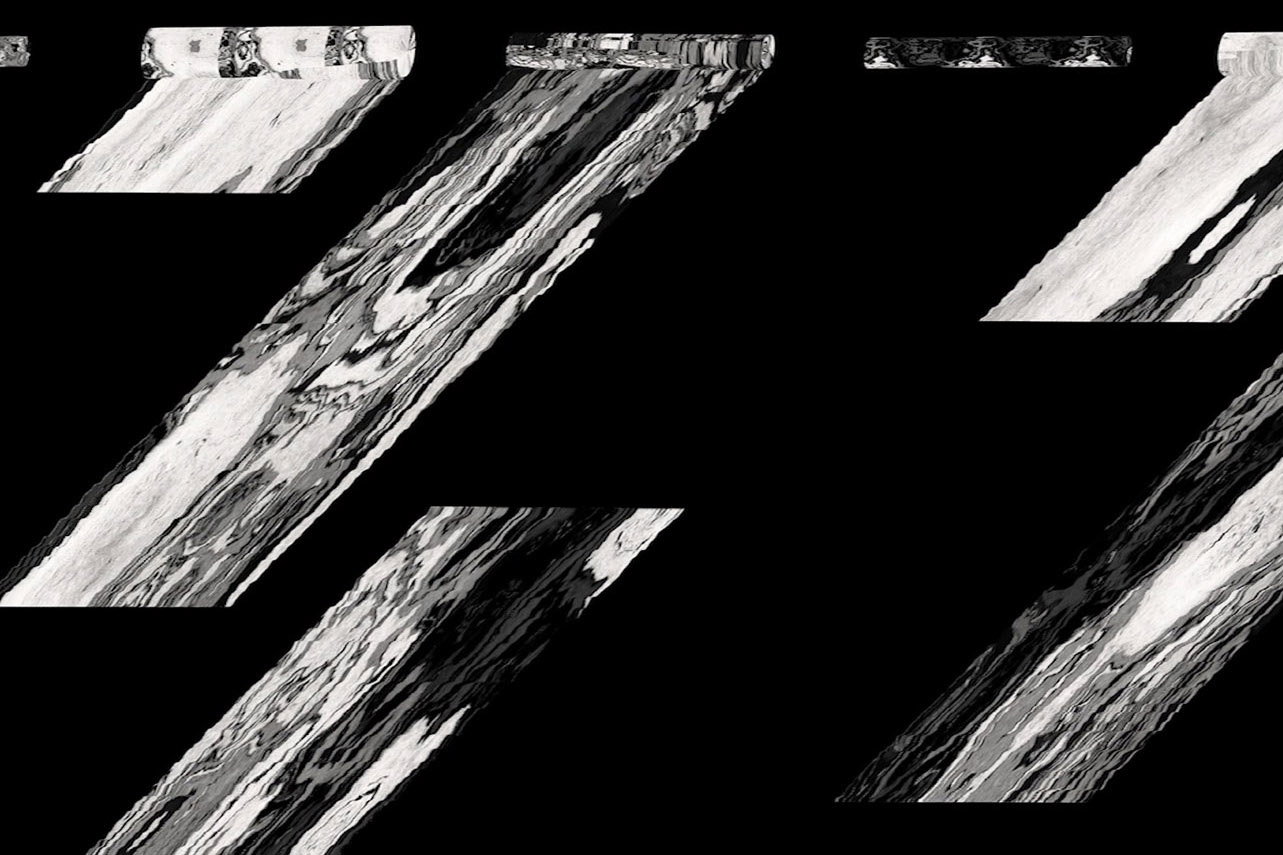
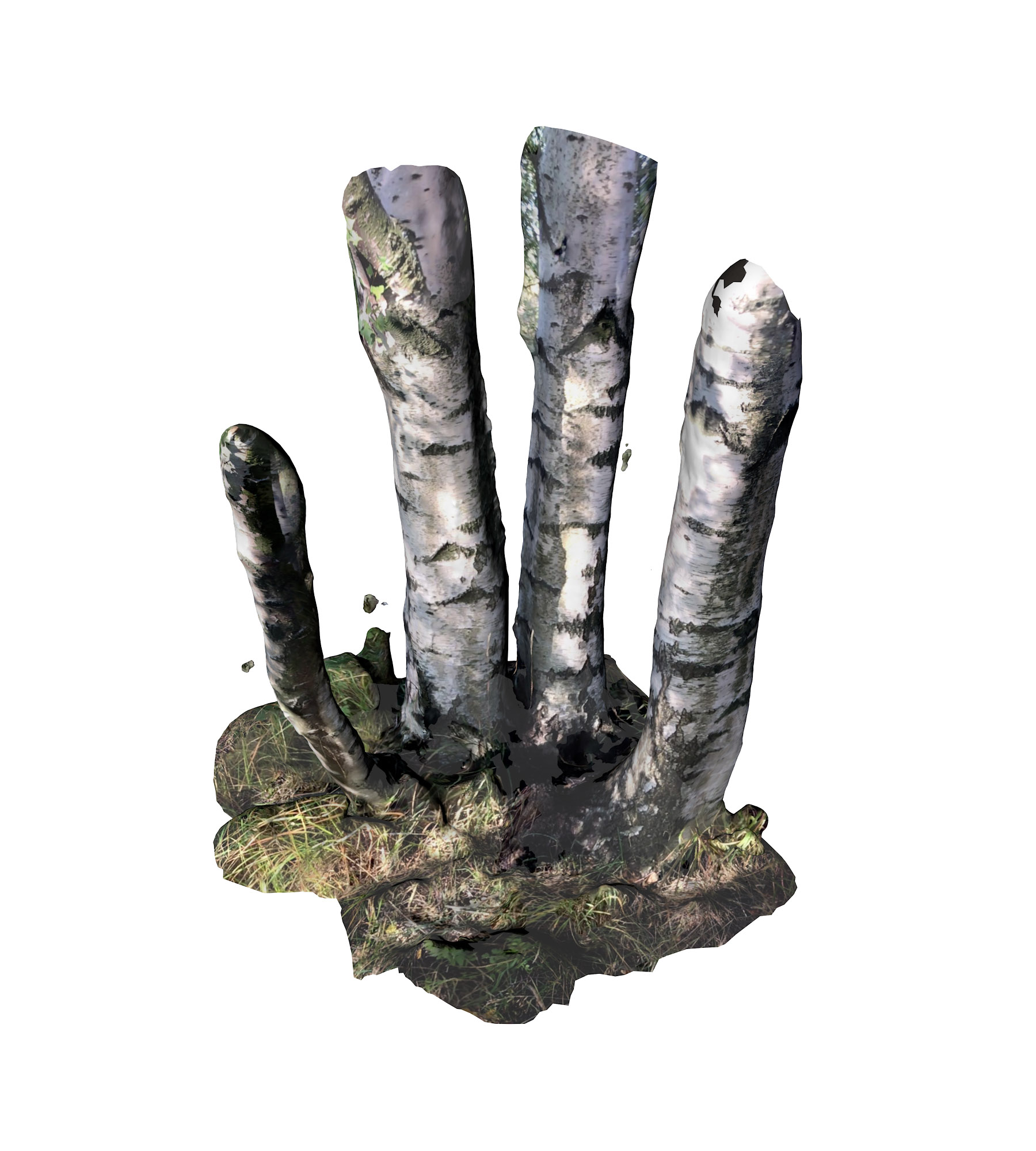
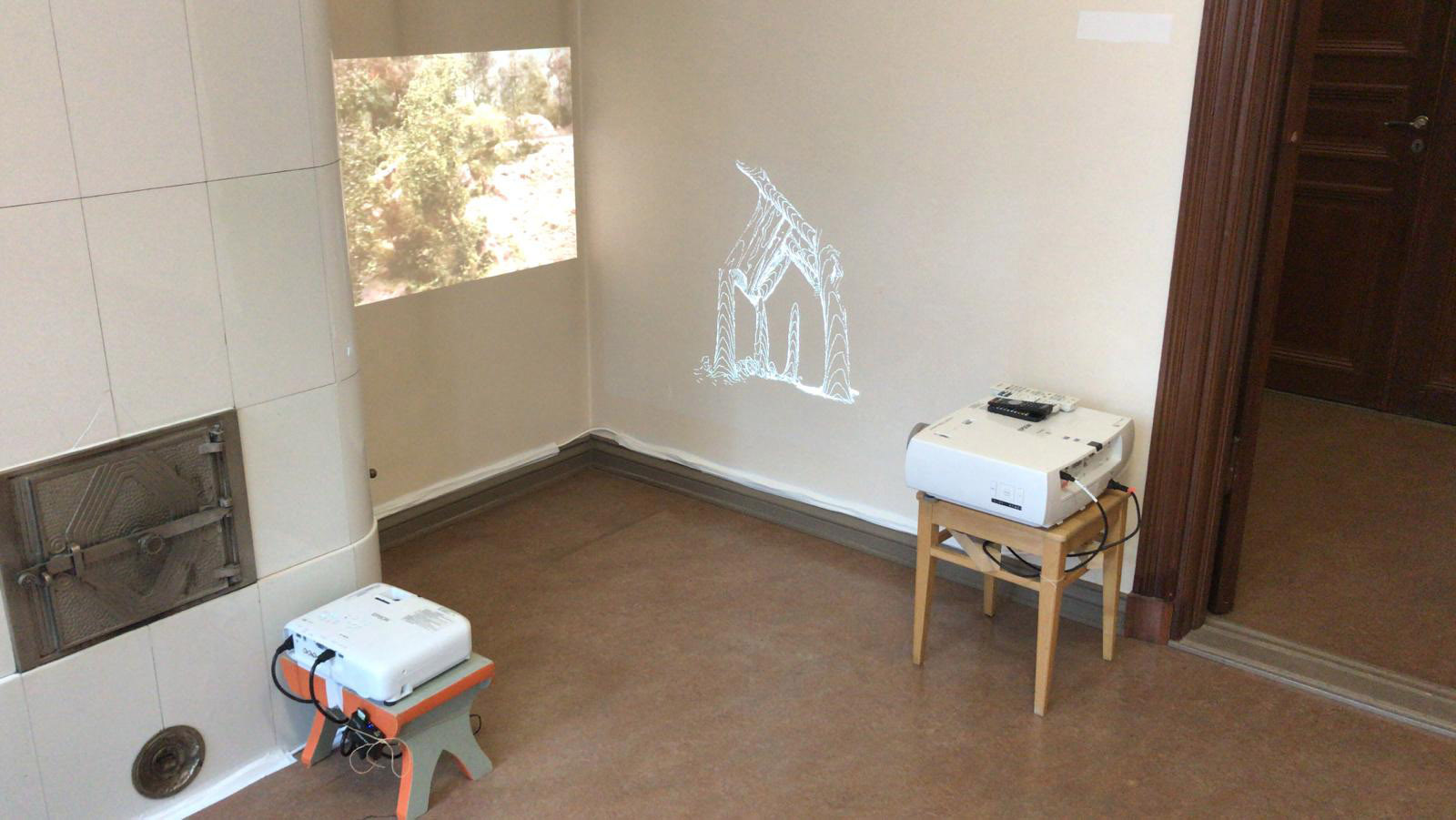
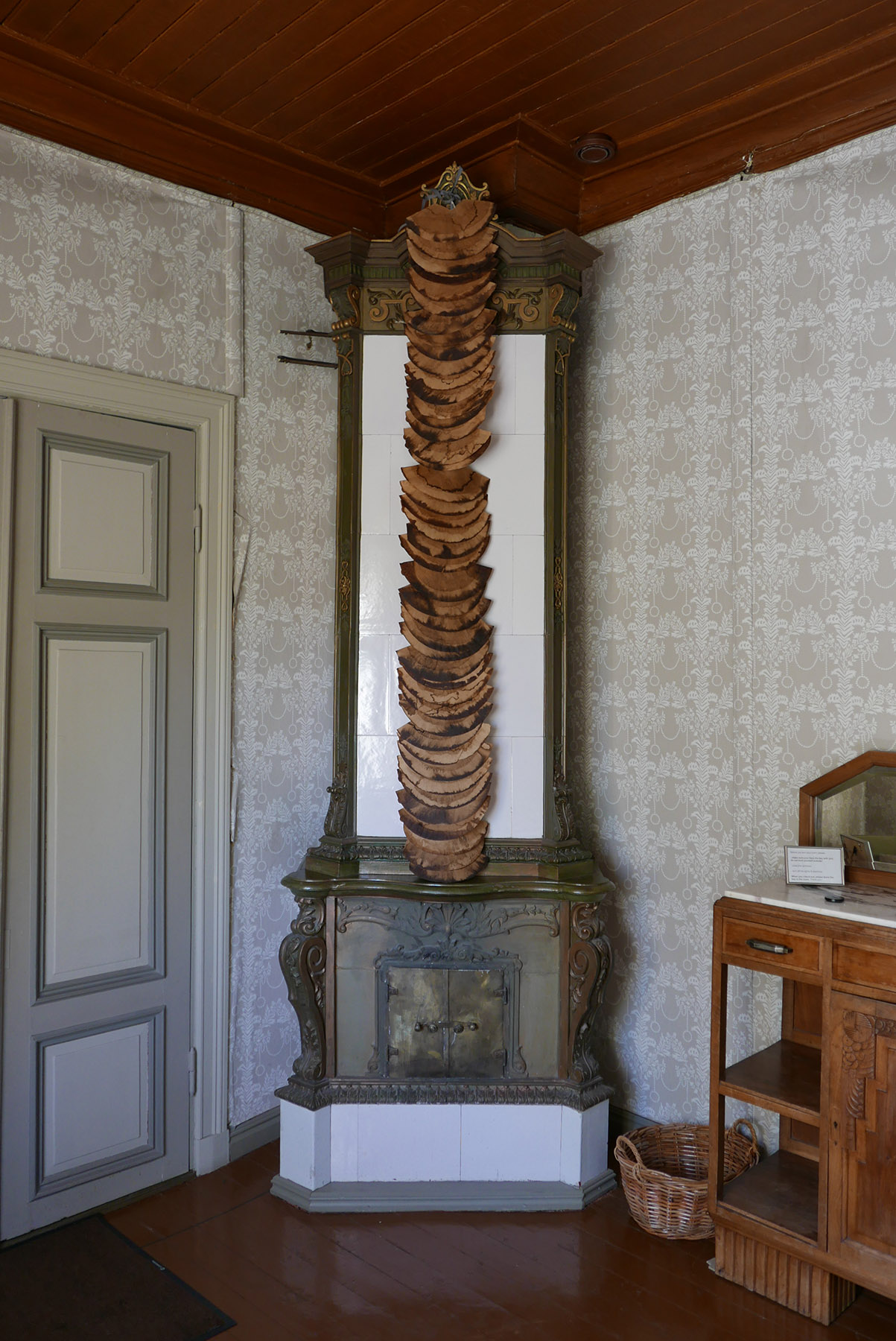
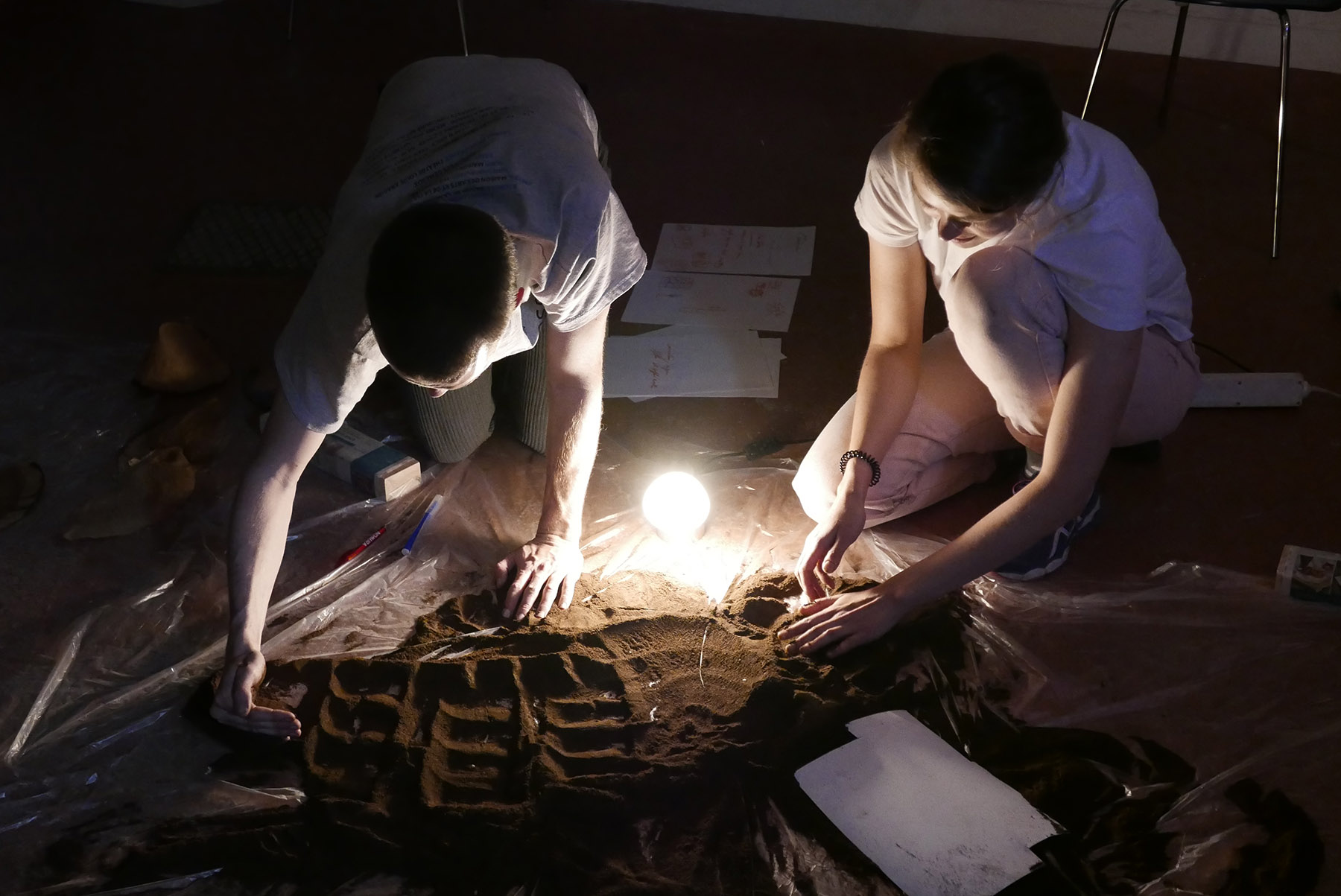
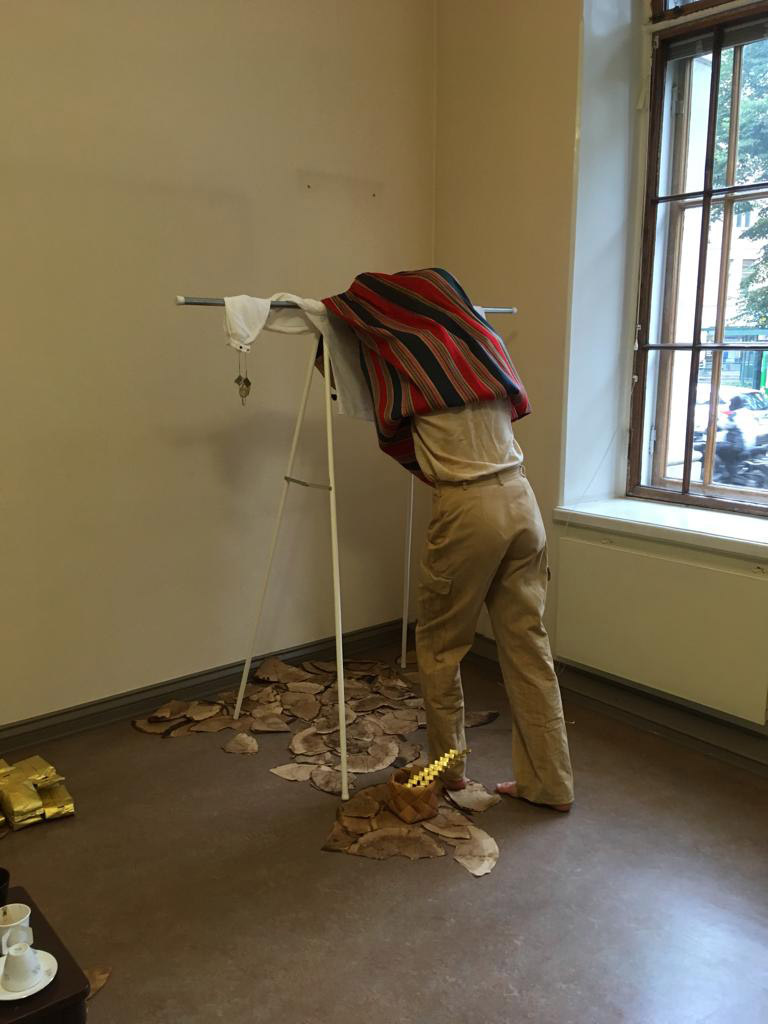
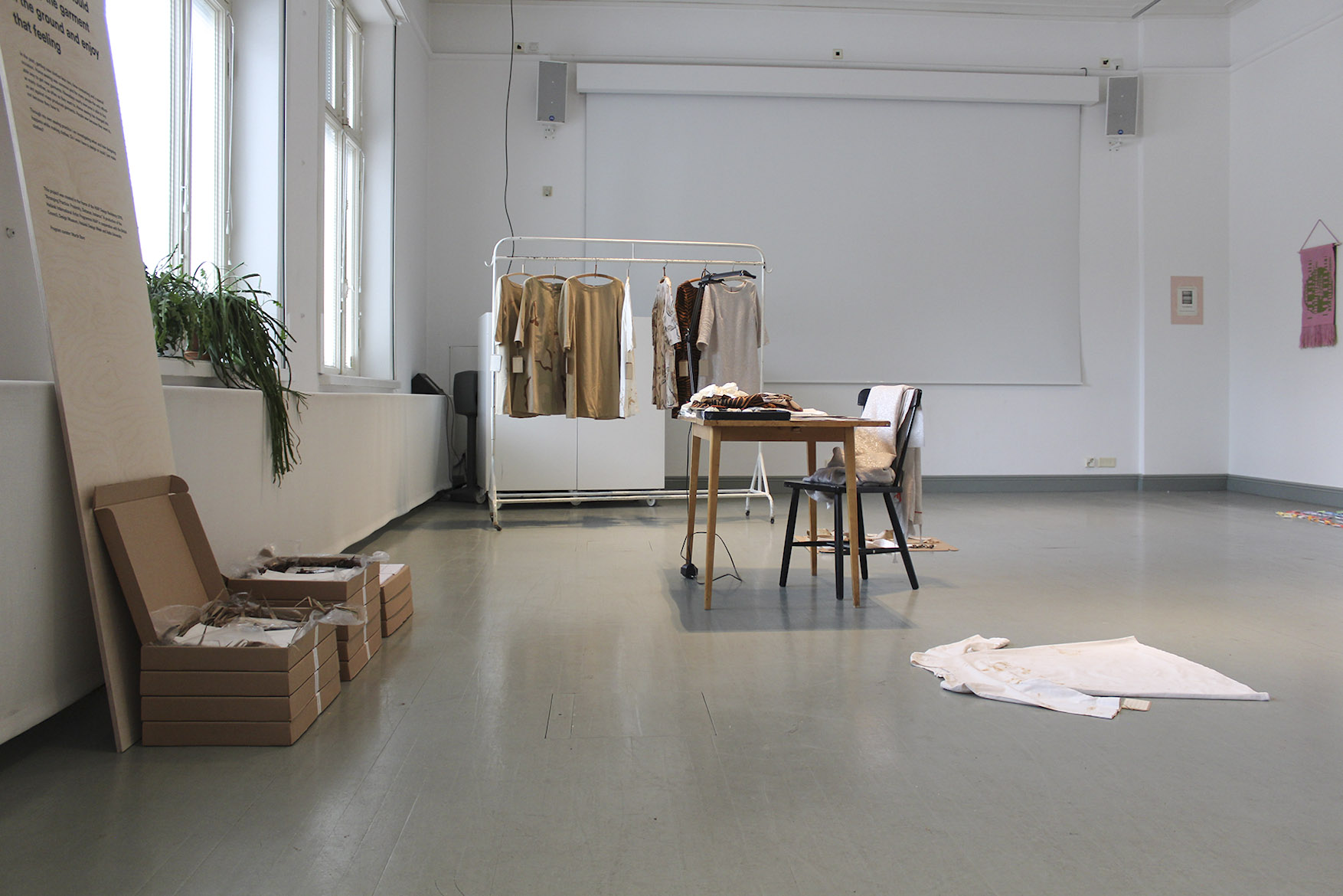
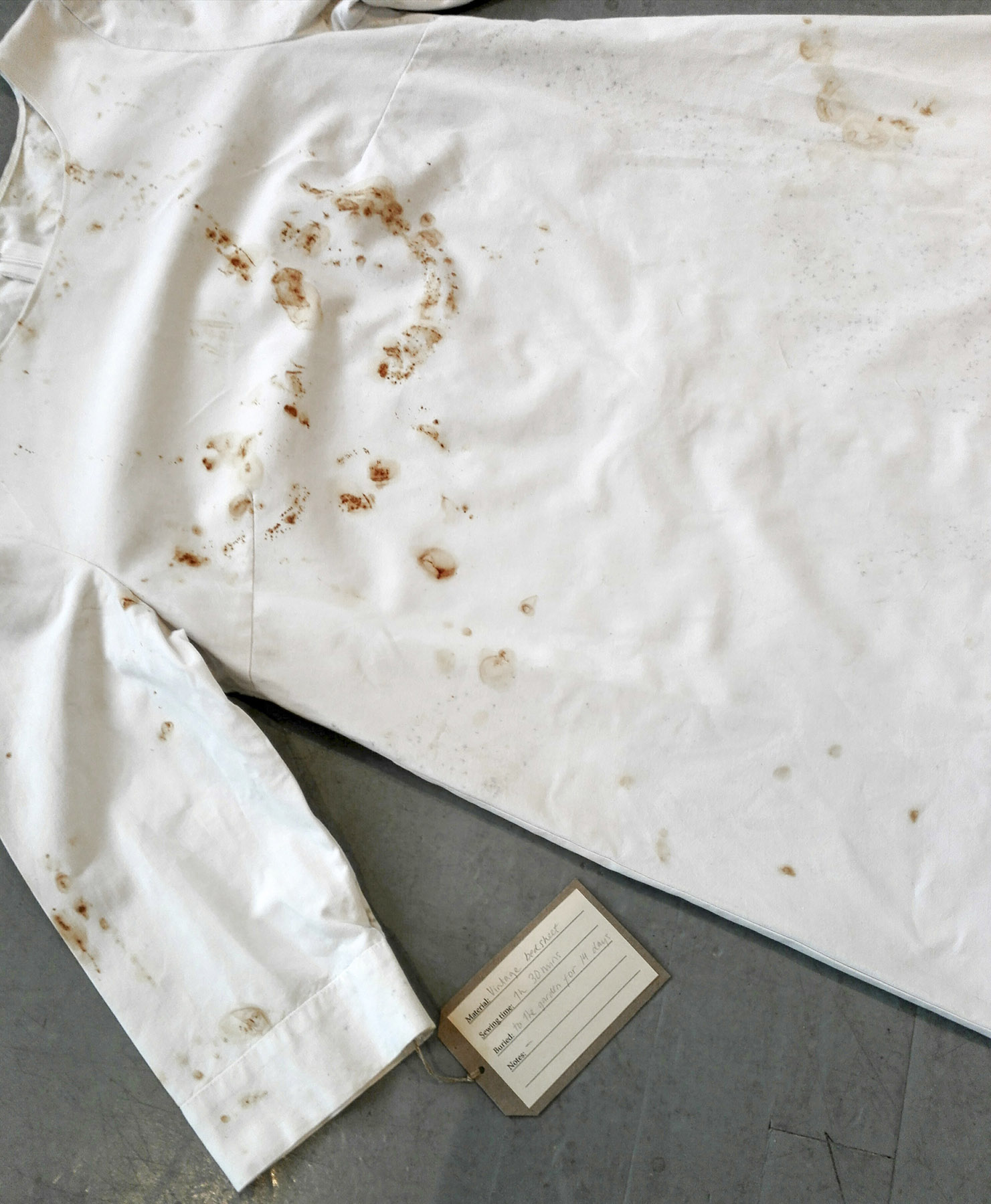

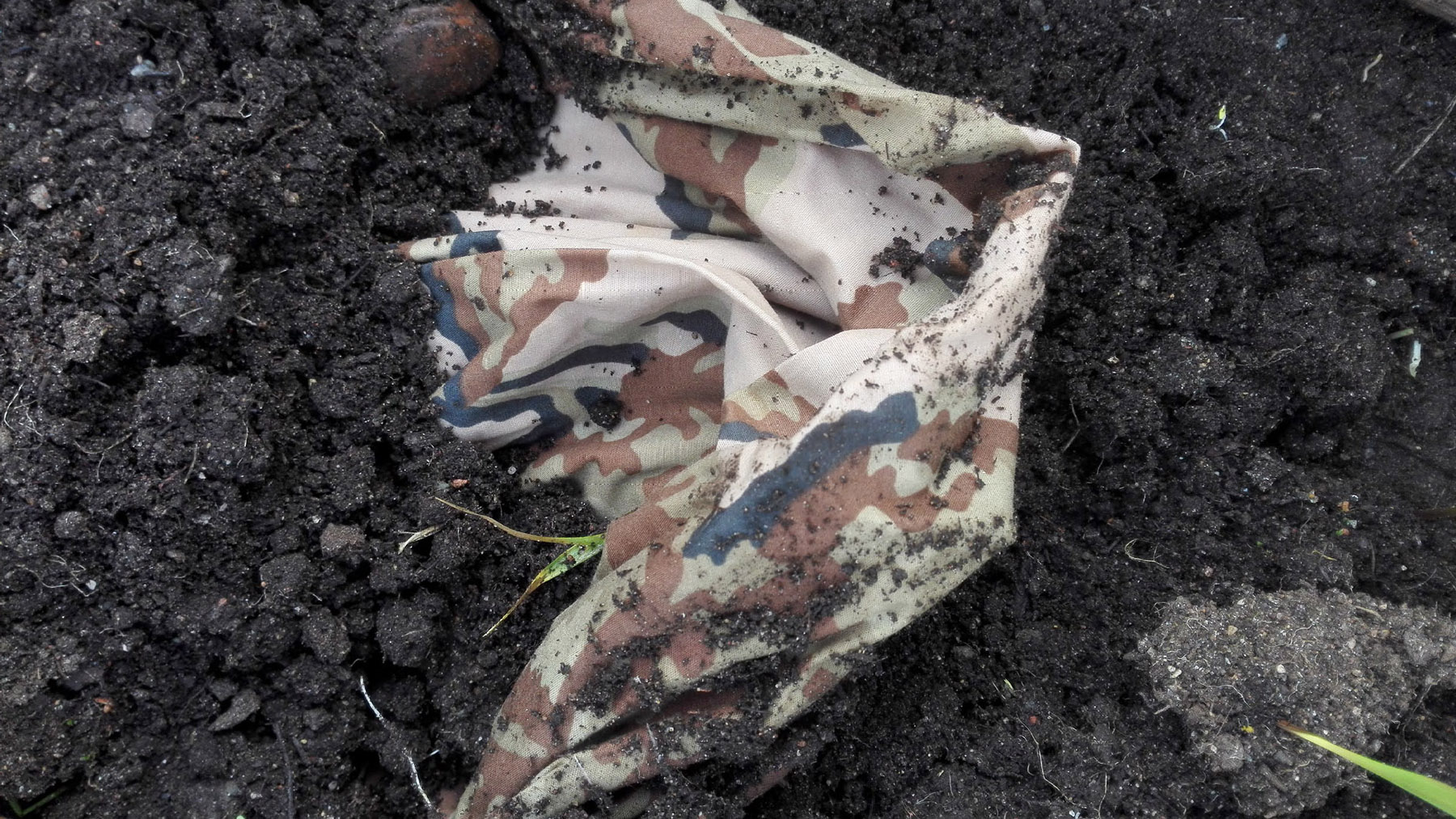
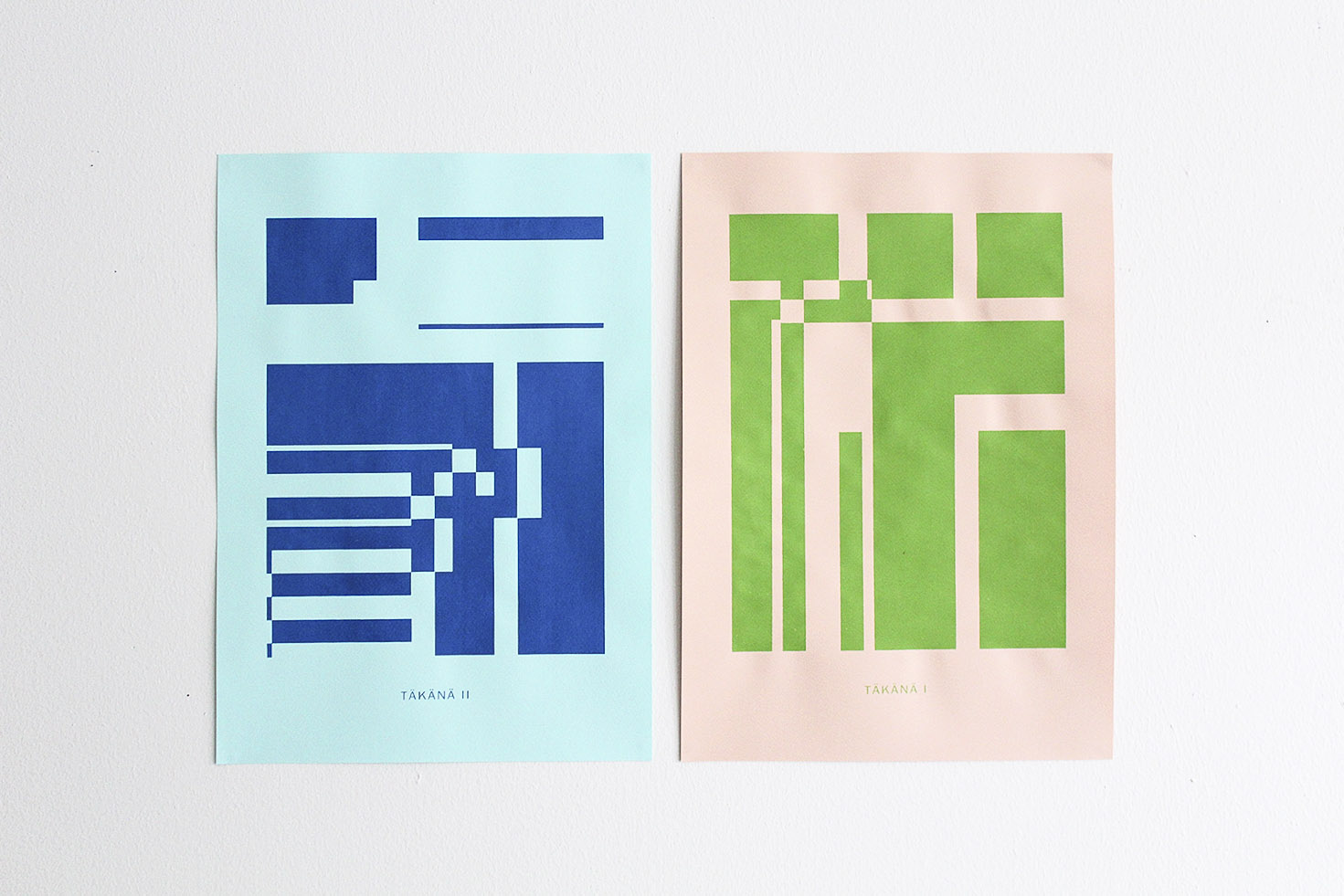
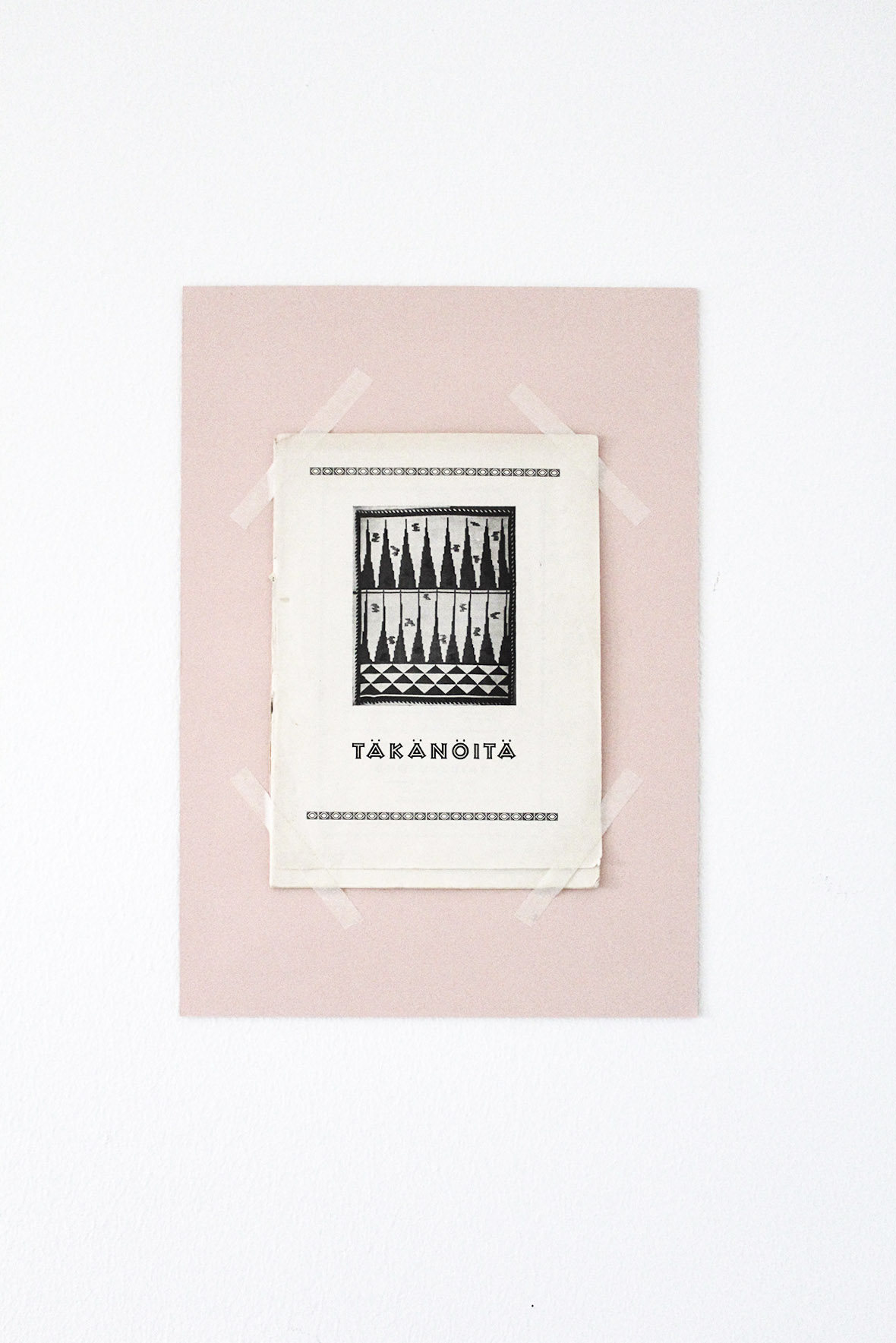
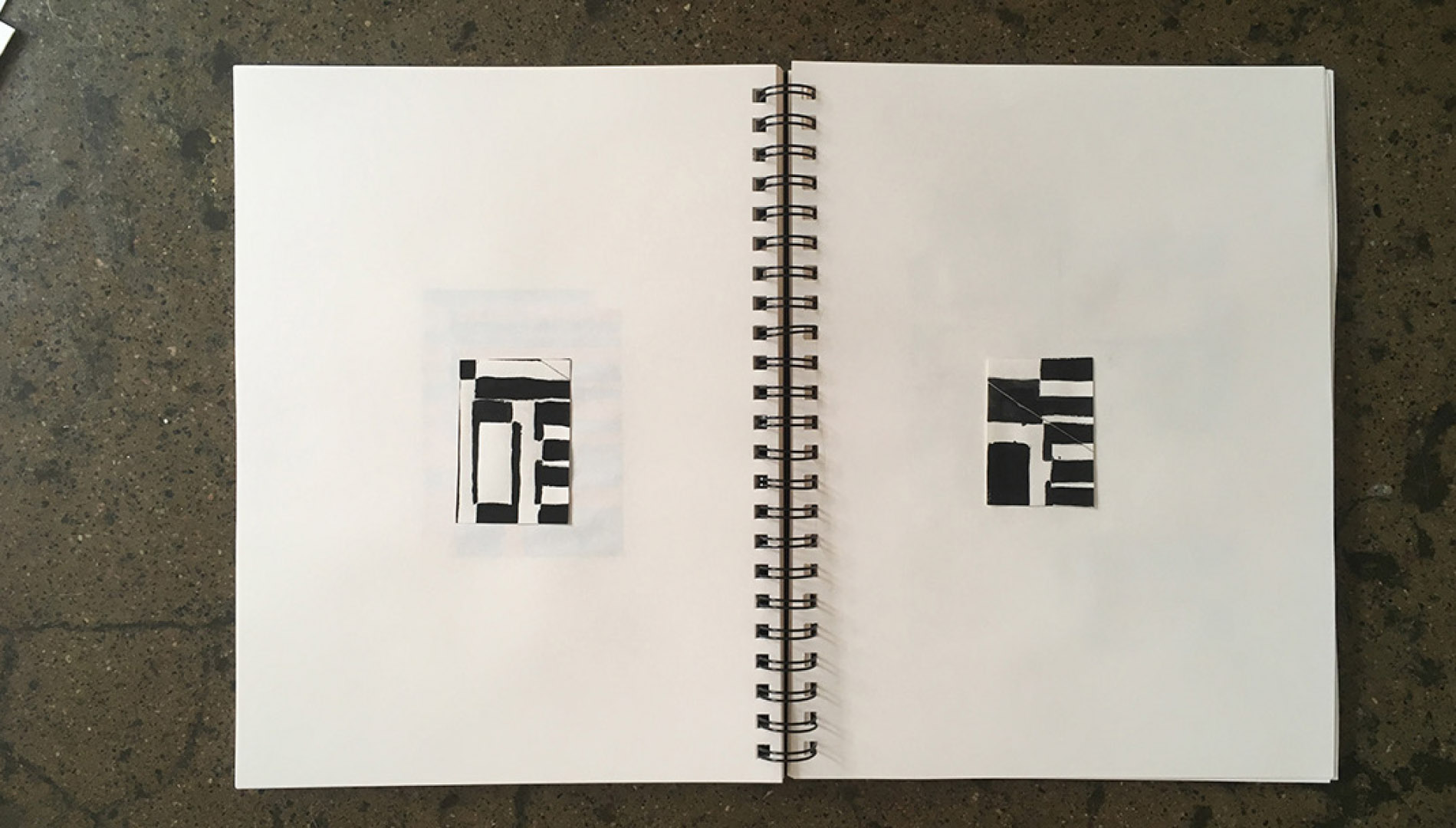
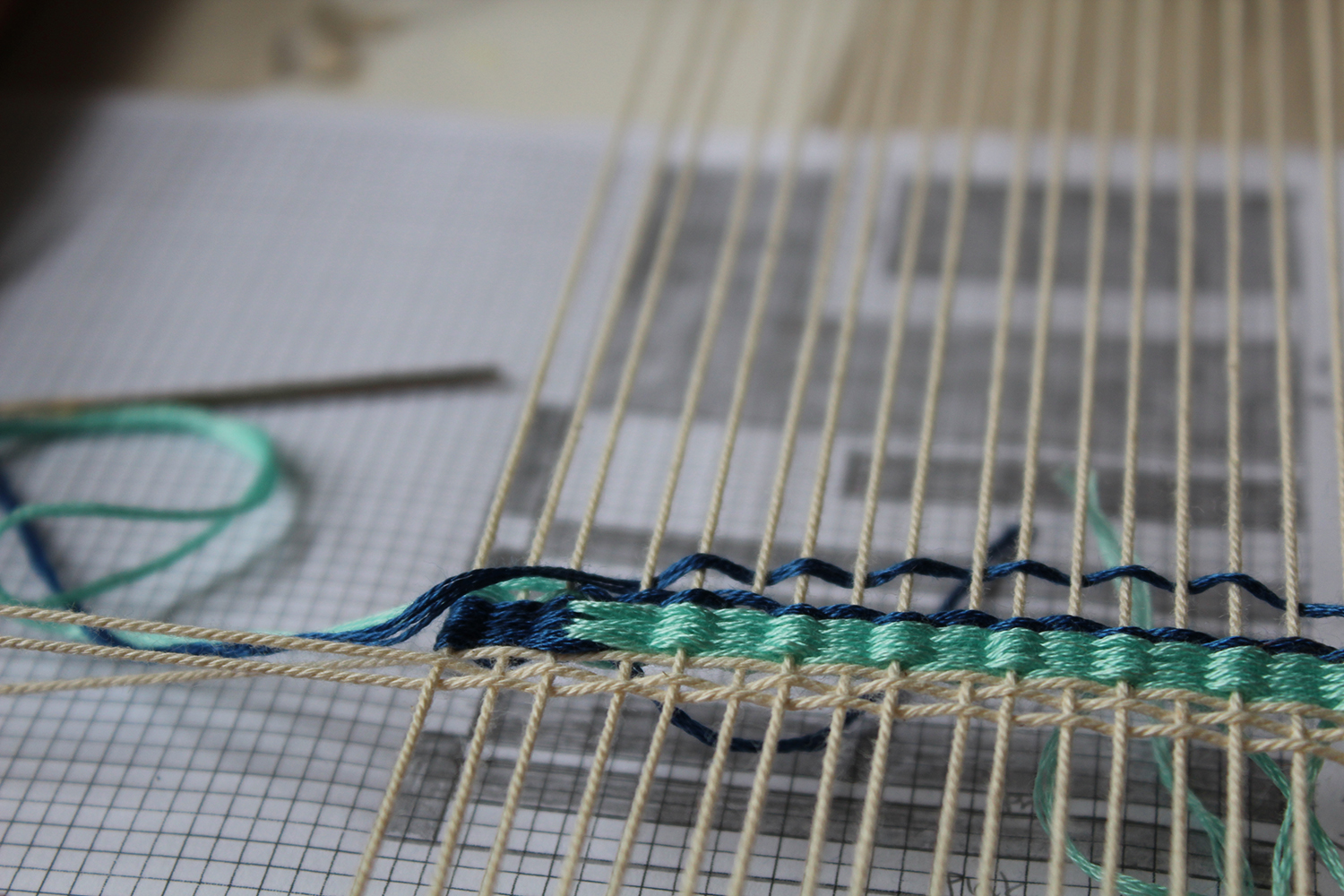
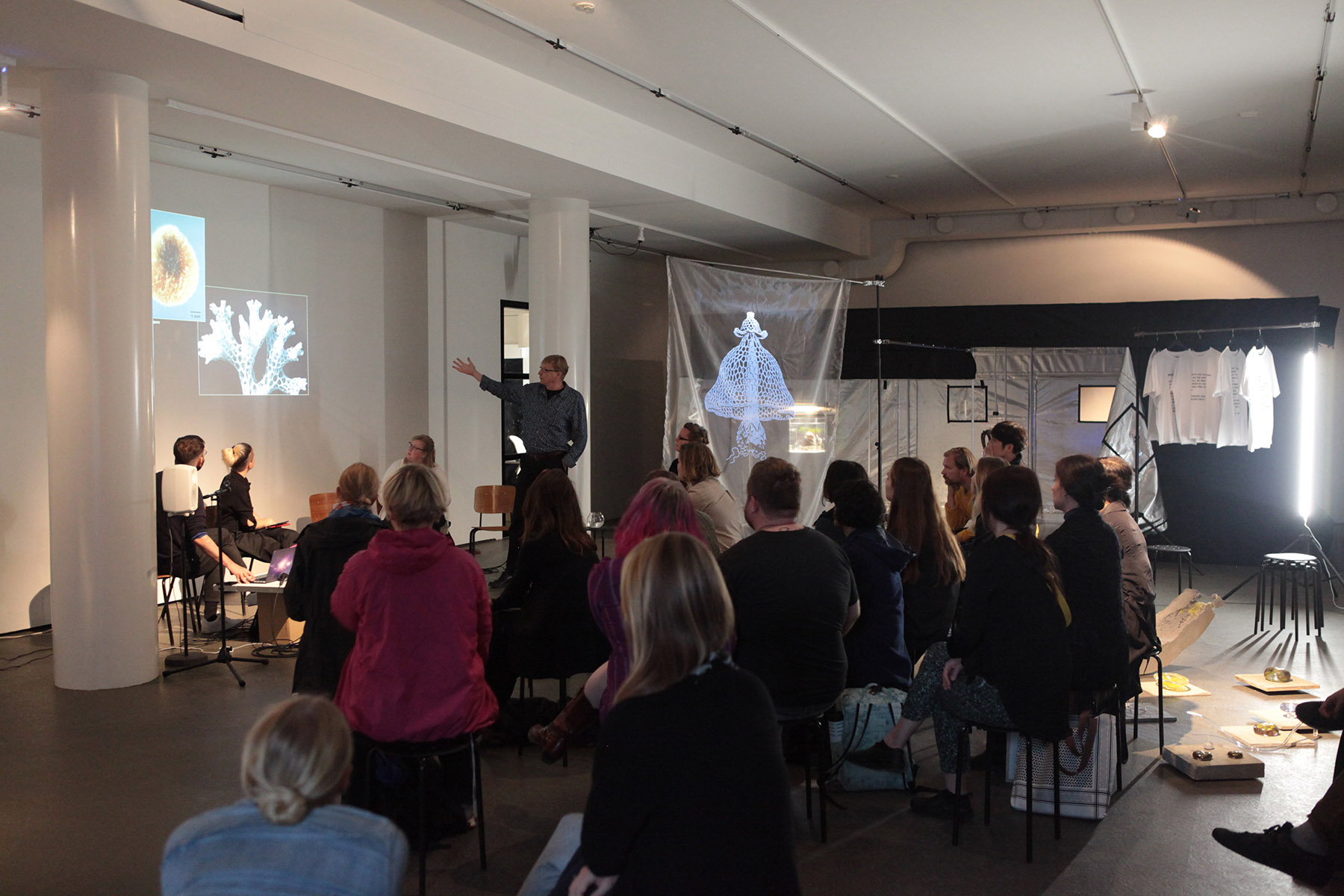
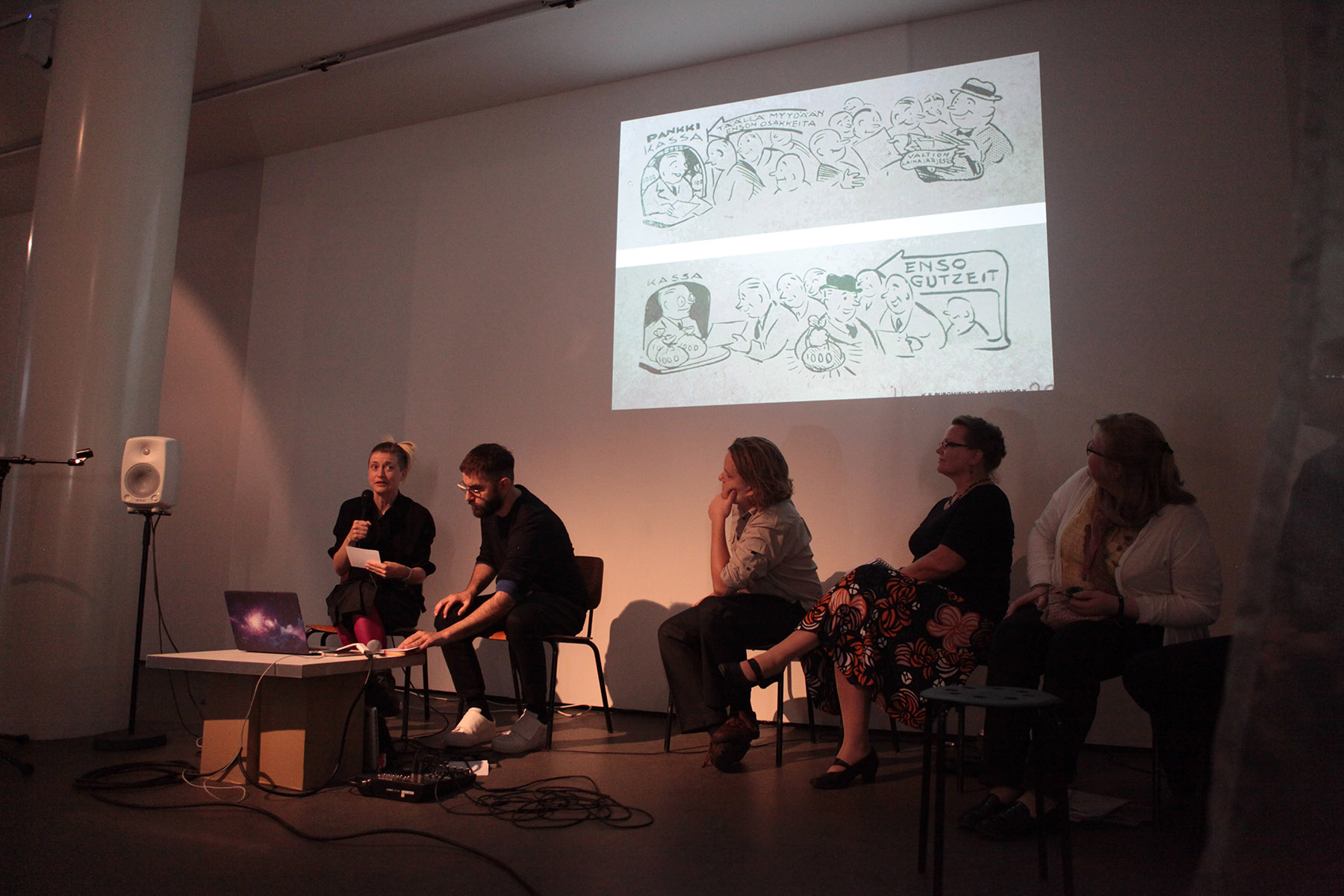
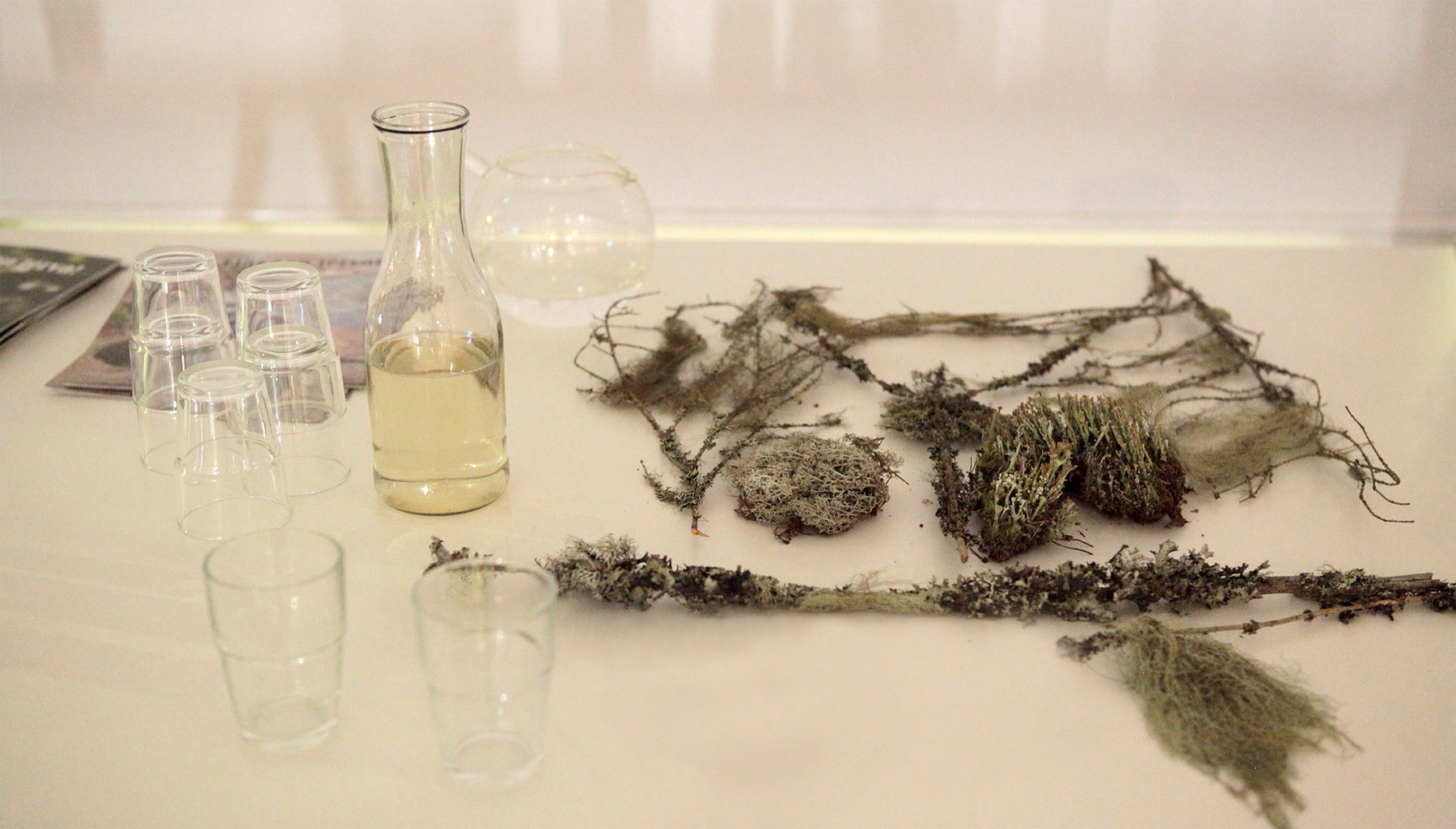
Development, curating and production of a residency program on the interactive/built environment.
2017 — 2020
- Commissioned by
- HIAP — Helsinki International Artist Programme
-
Tellus Kontinkangas
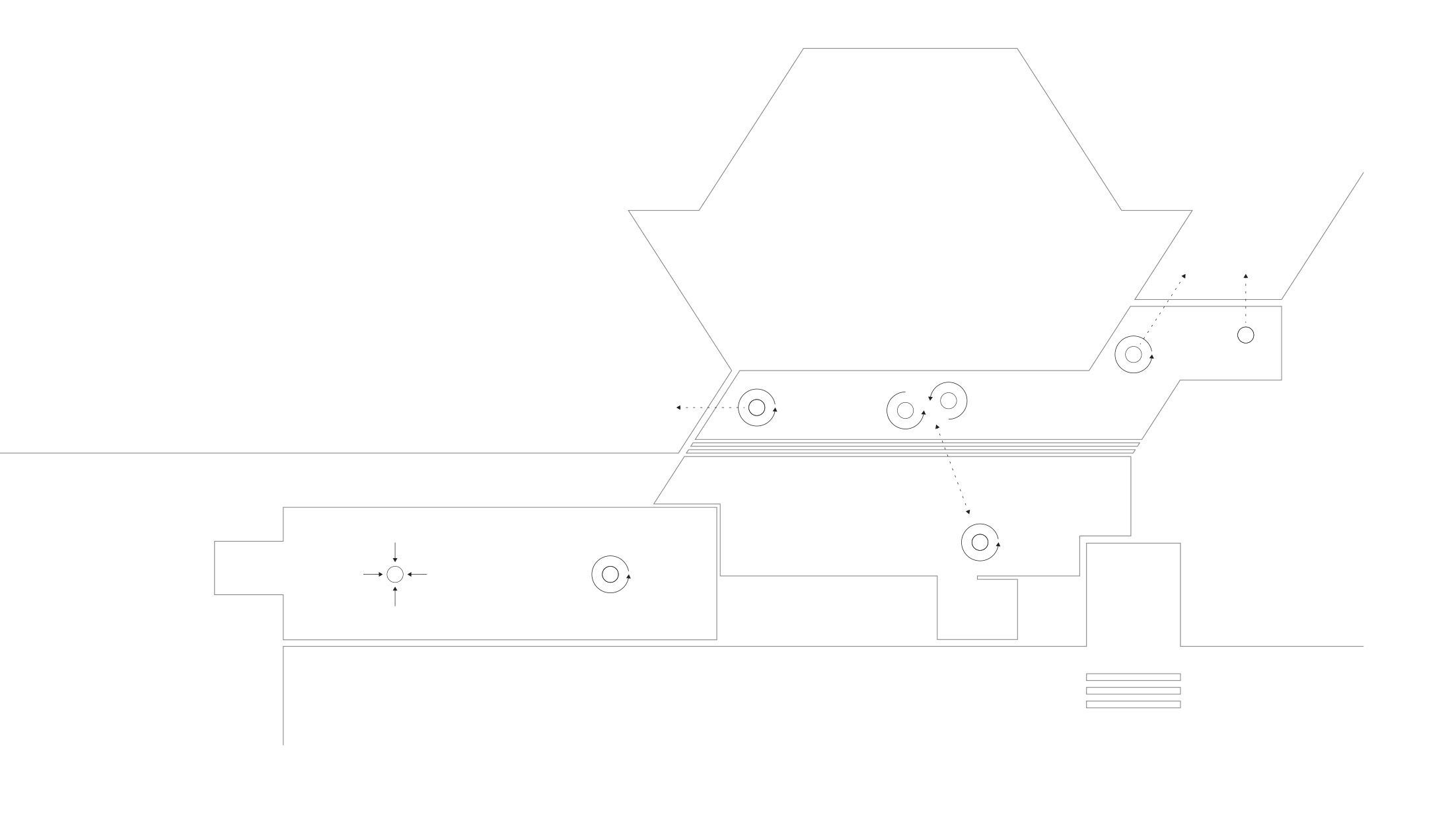
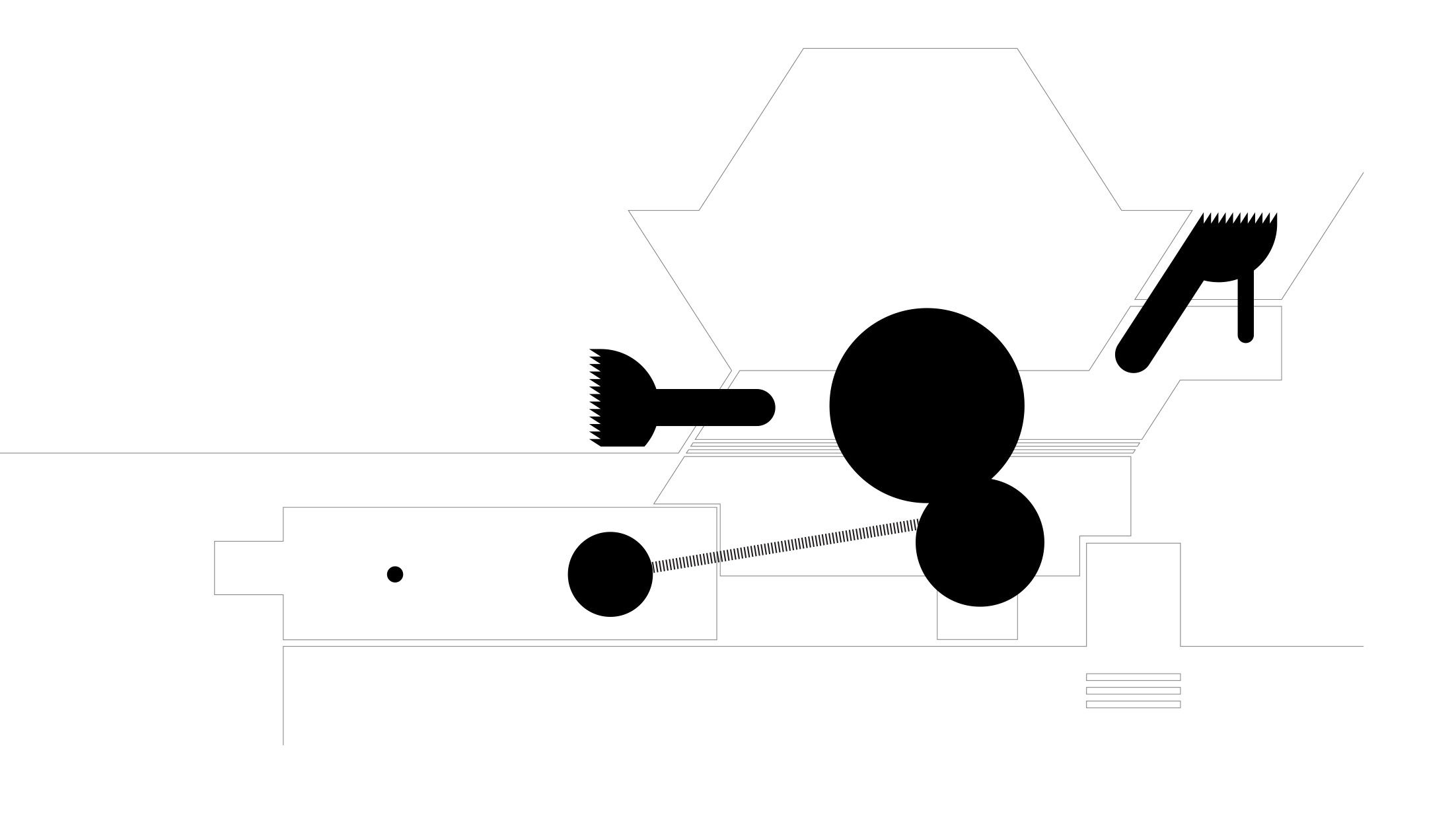

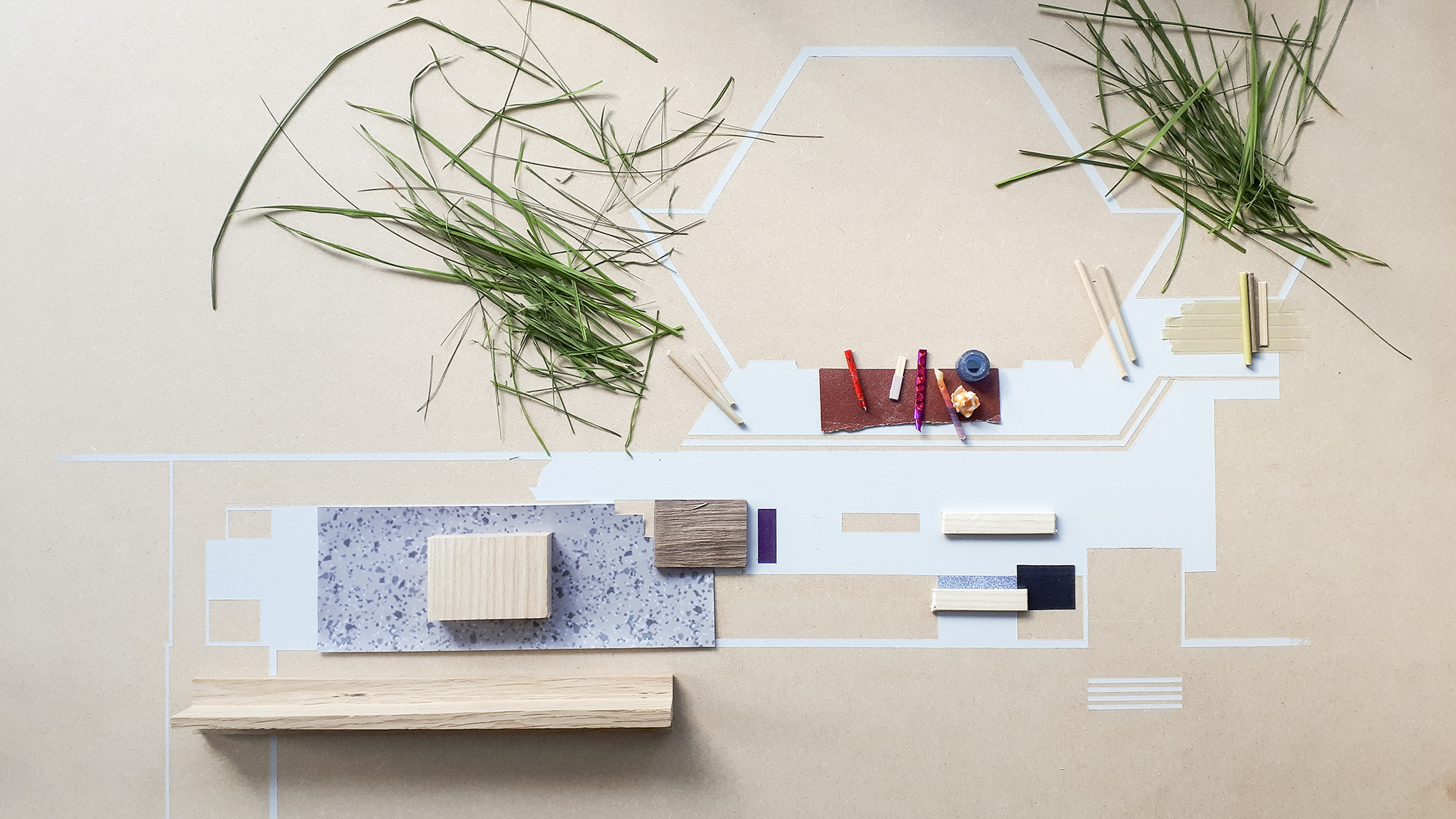
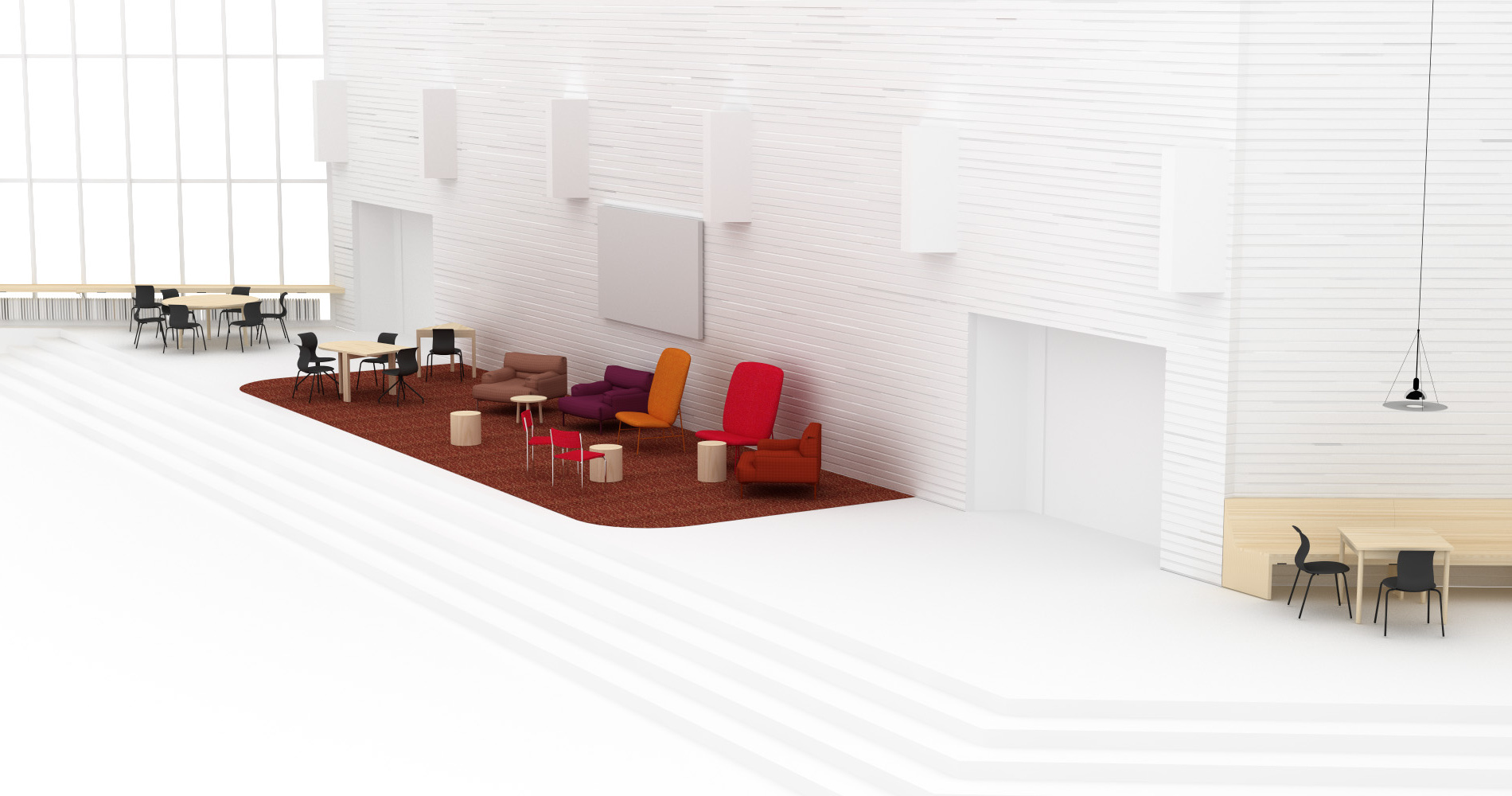
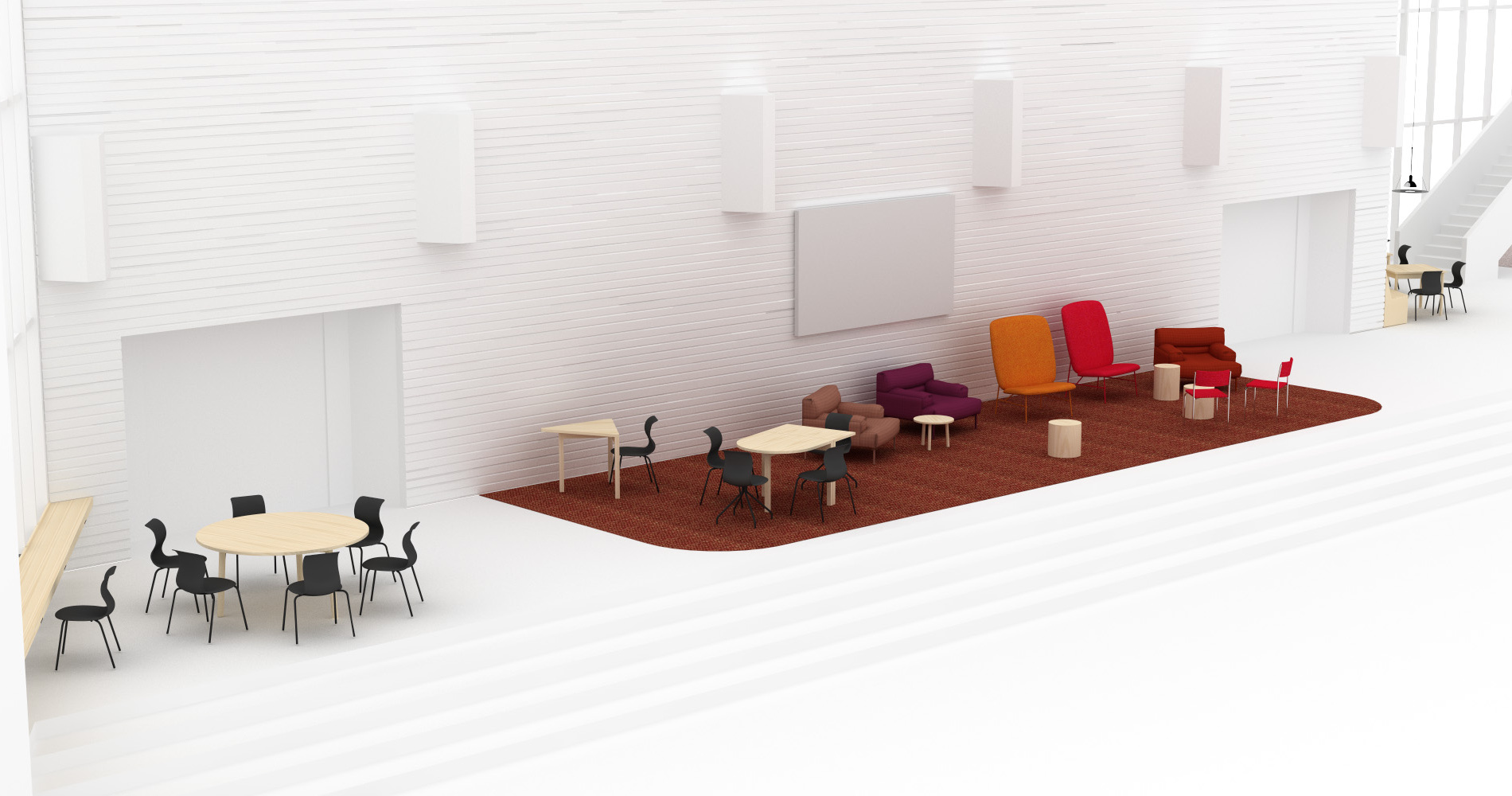
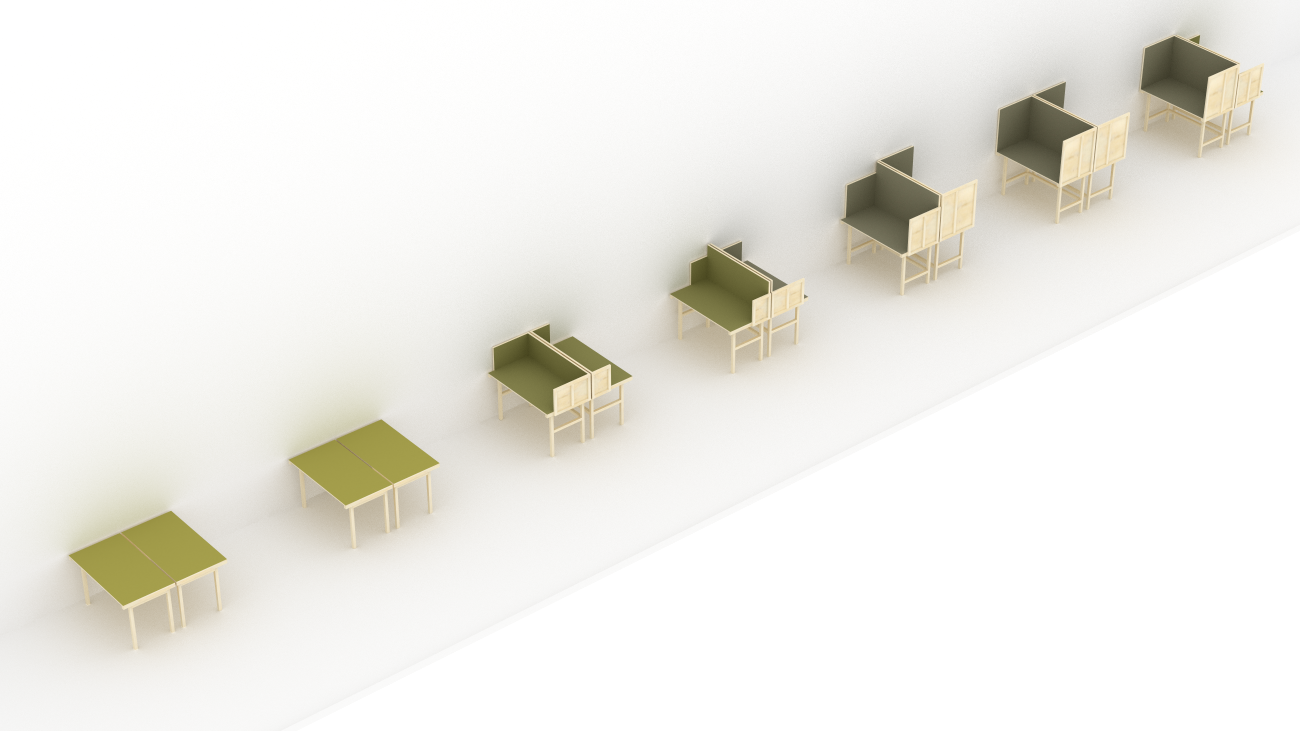
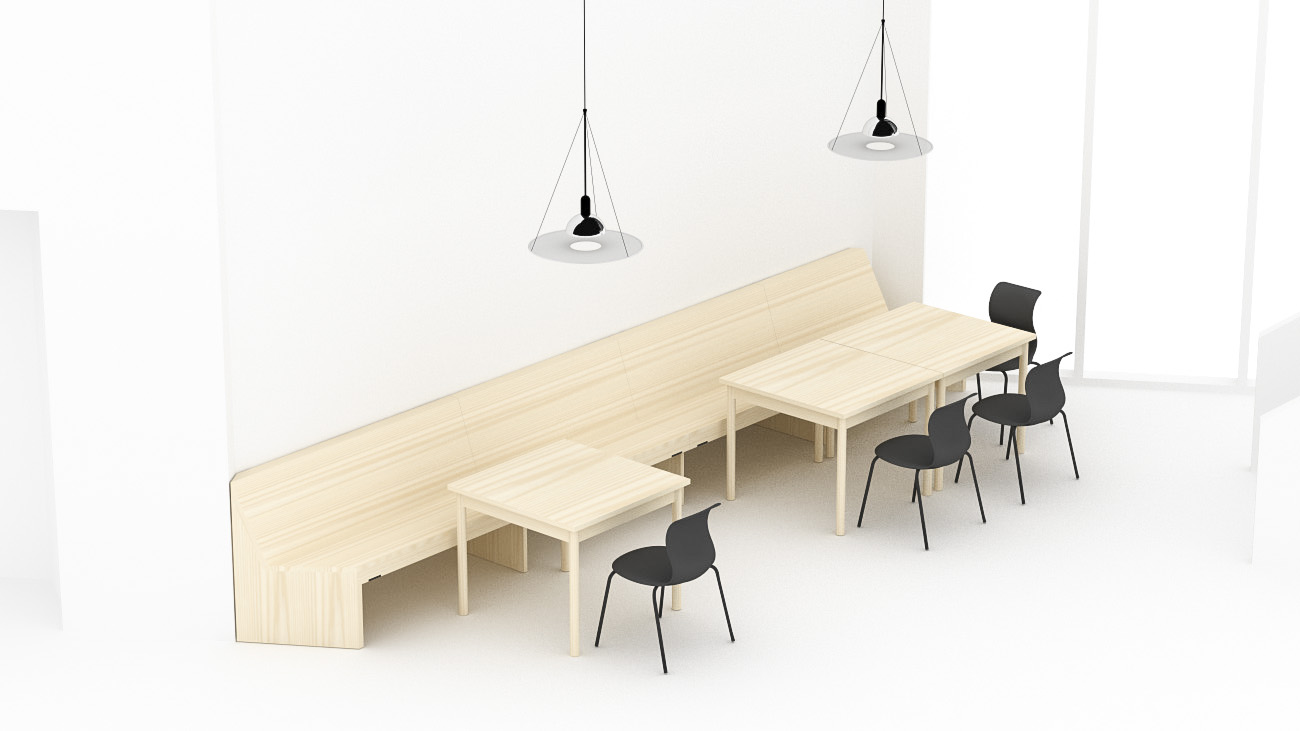
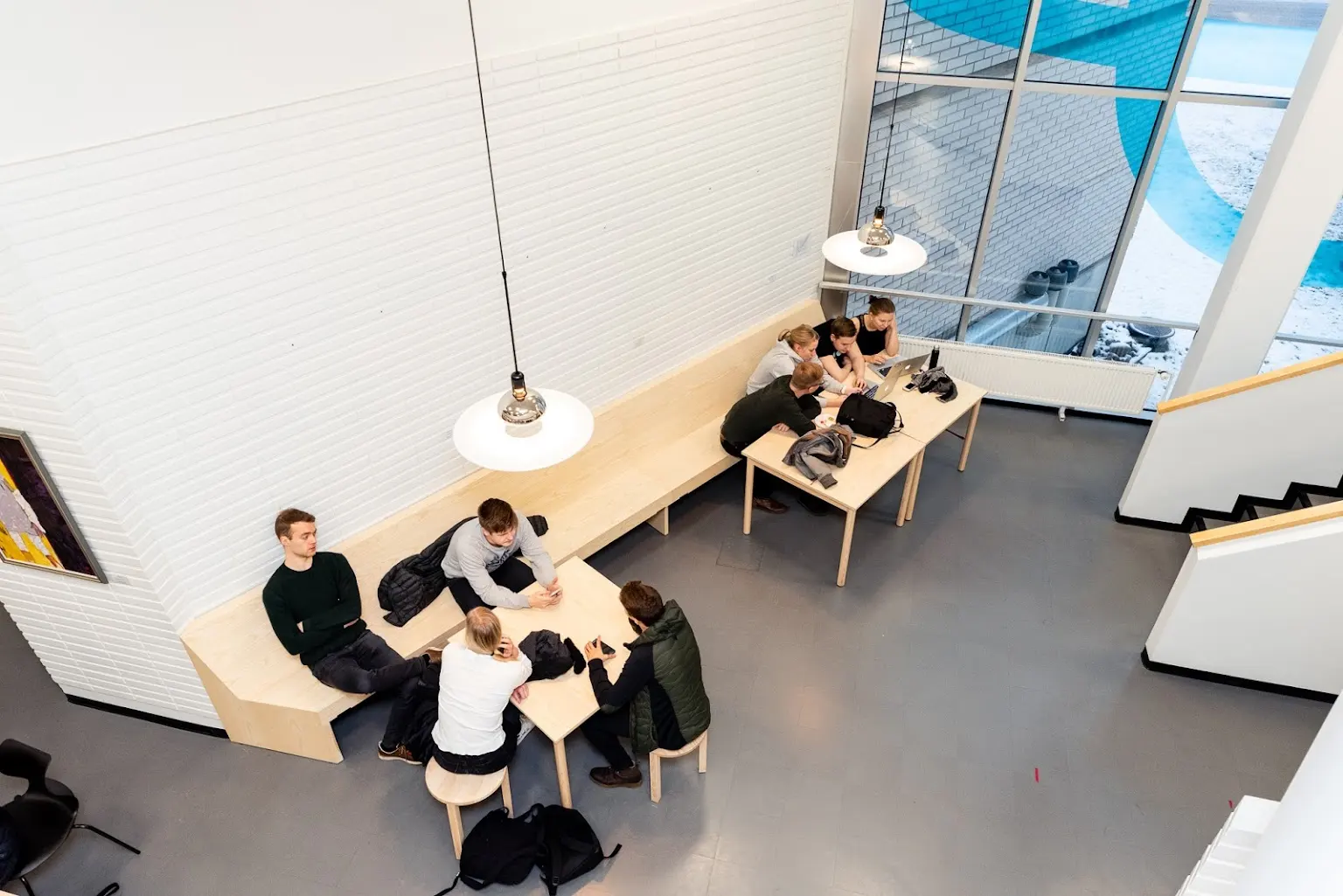
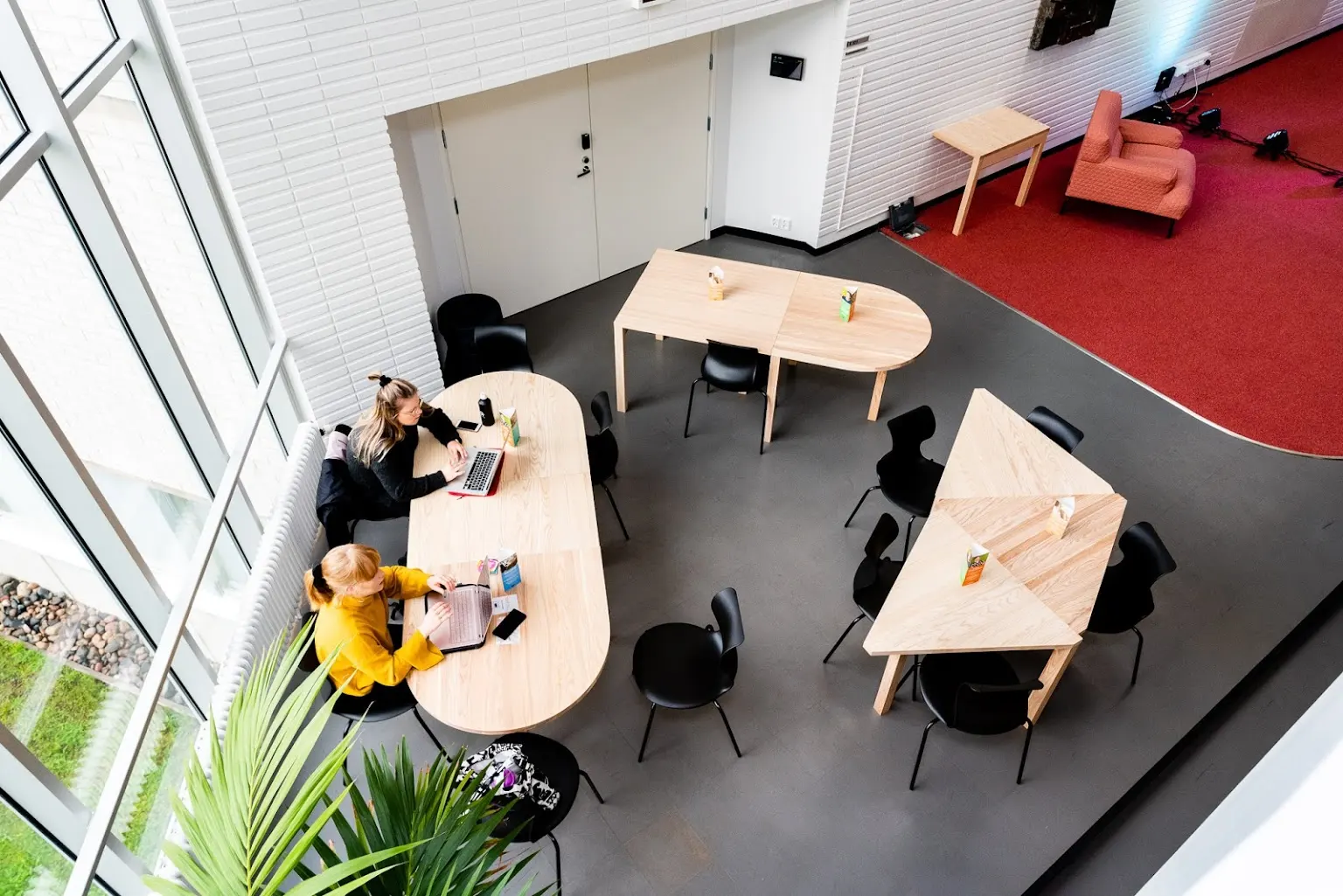
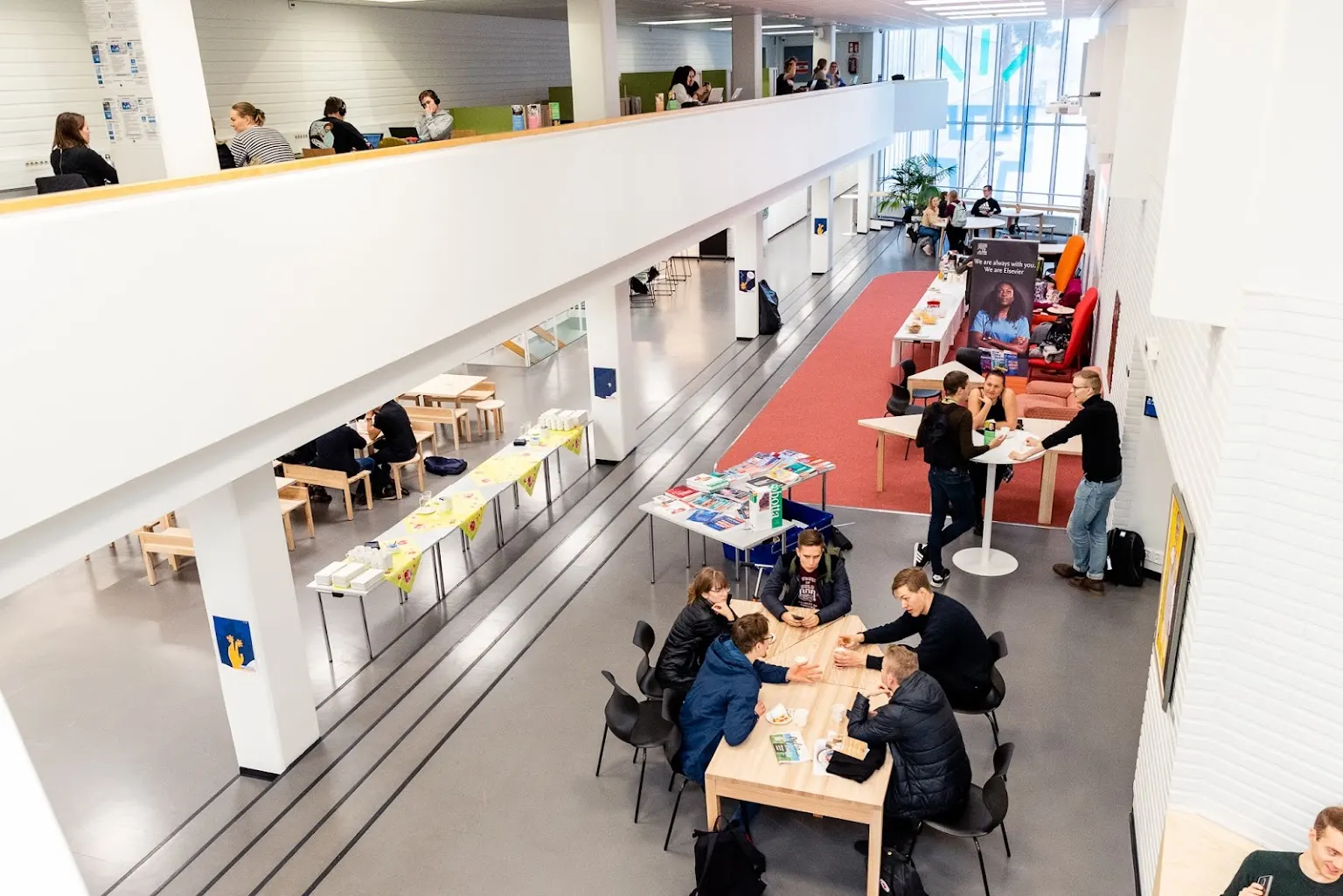
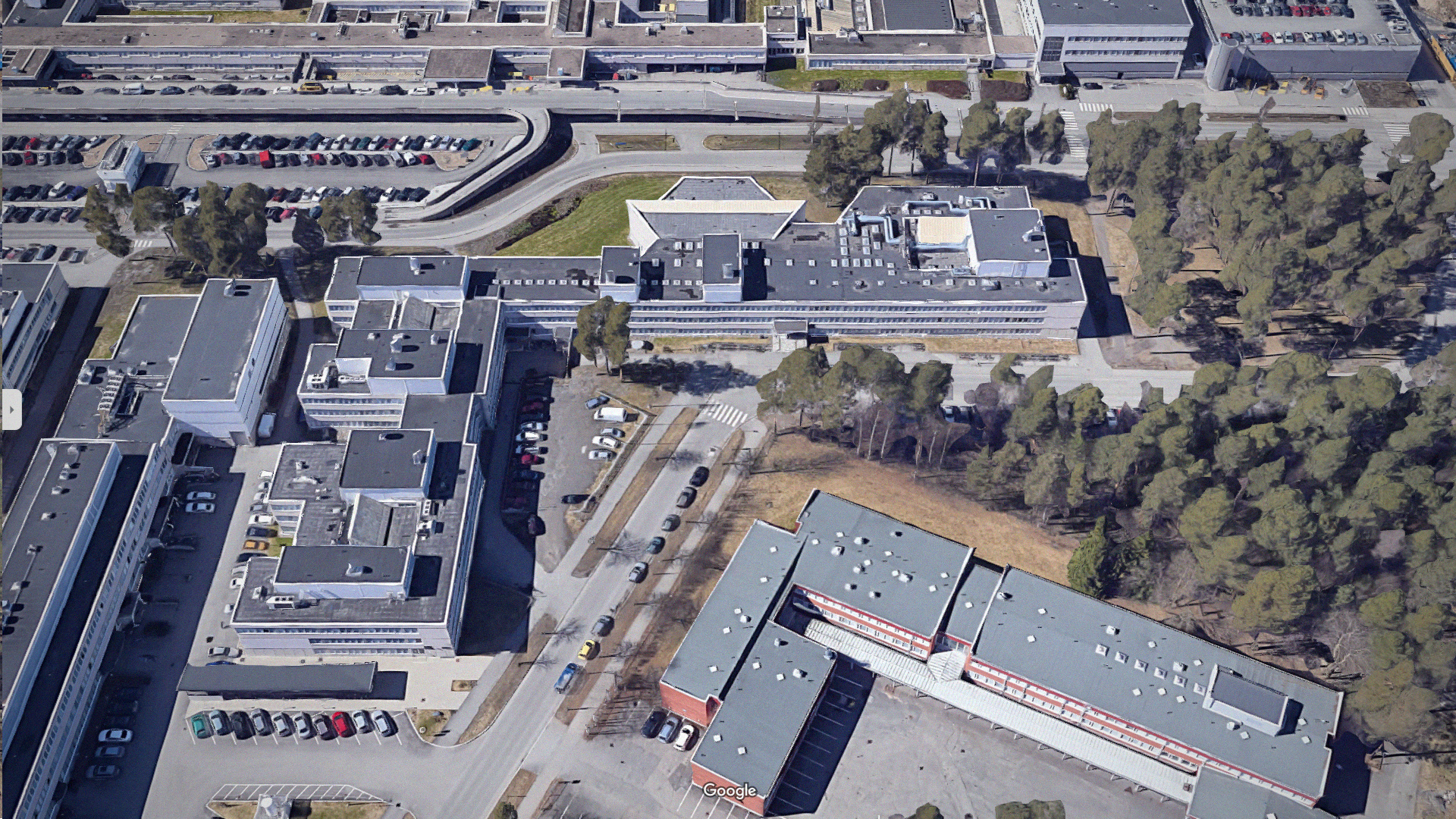
The hardest-won and probably most meaningful achievement of this project was that we managed to argue some purchasing budget out of the university’s frame agreement with a behemoth furniture-producer-cum-full-service-facility-maintainer, which would usually have meant that all furnishing would have had to come from their catalog. Instead, through some negotiation we found a way to include bits of Dutch, German and Italian manufacturing along with some classic Finnish designs, and to have a good amount of custom designs made by domestic carpenters. This let the project come to weave a dialogue between different imaginations of living space and to link its economy with local craft-scale manufacturing — dimensions that do not otherwise find space in Finnish public sector premises, no matter how strong, like in this project, their desire would be to speak to new horizons.
Spatial concept, architecture and furniture design, and craft production management for Oulu University’s second Tellus entrepreneurship hub.
2018 — 2019
-
Selfportrait as a Millenial


2020
- The Spatial Library
-
Person reads book
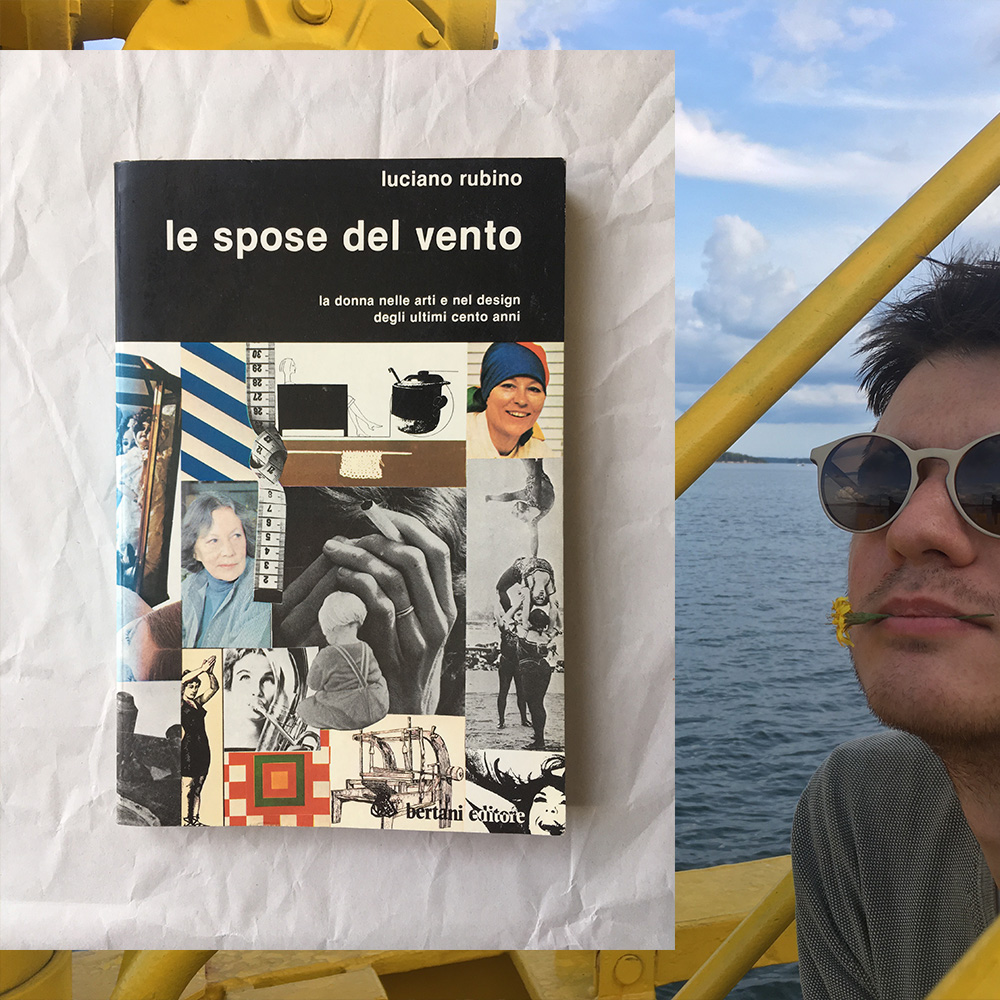

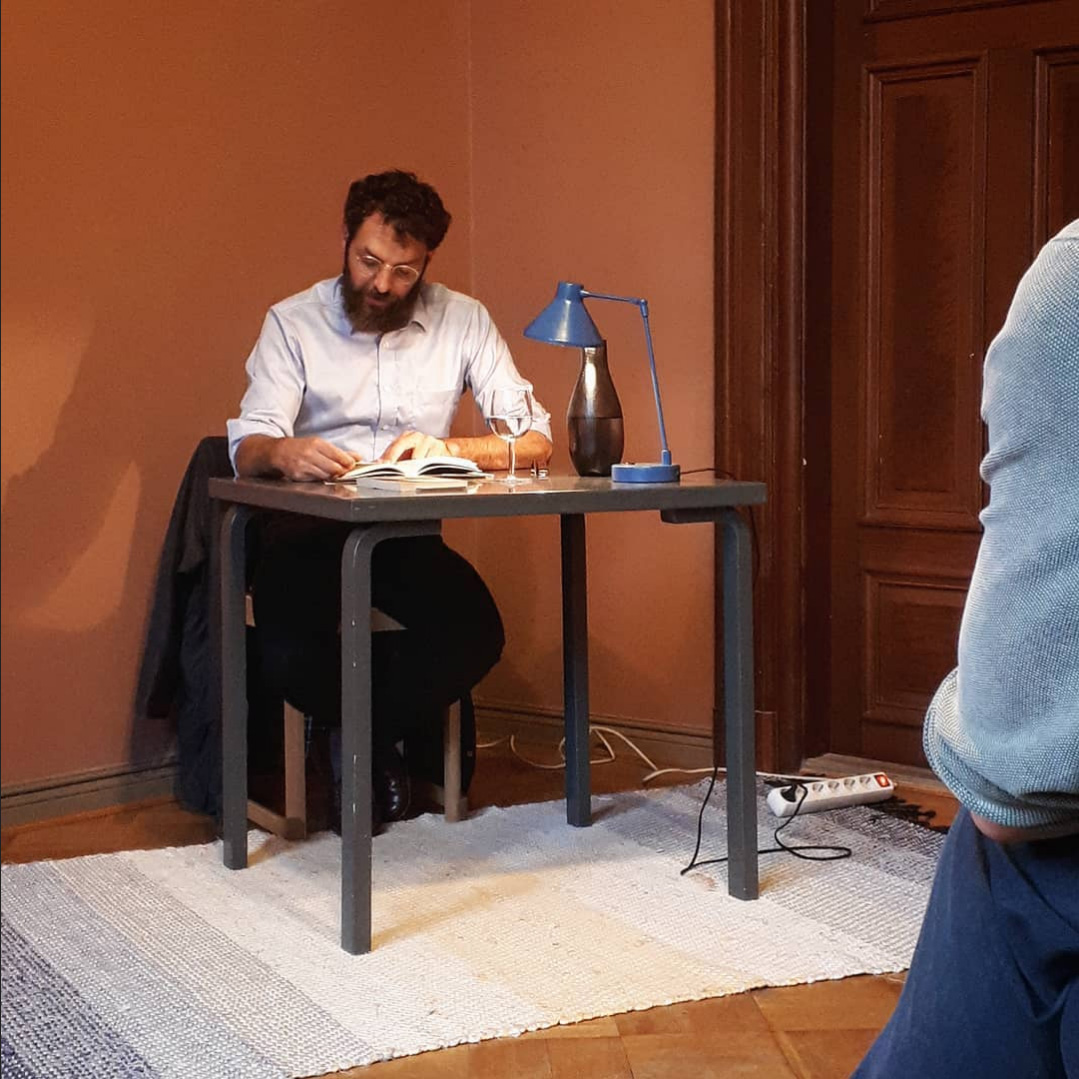
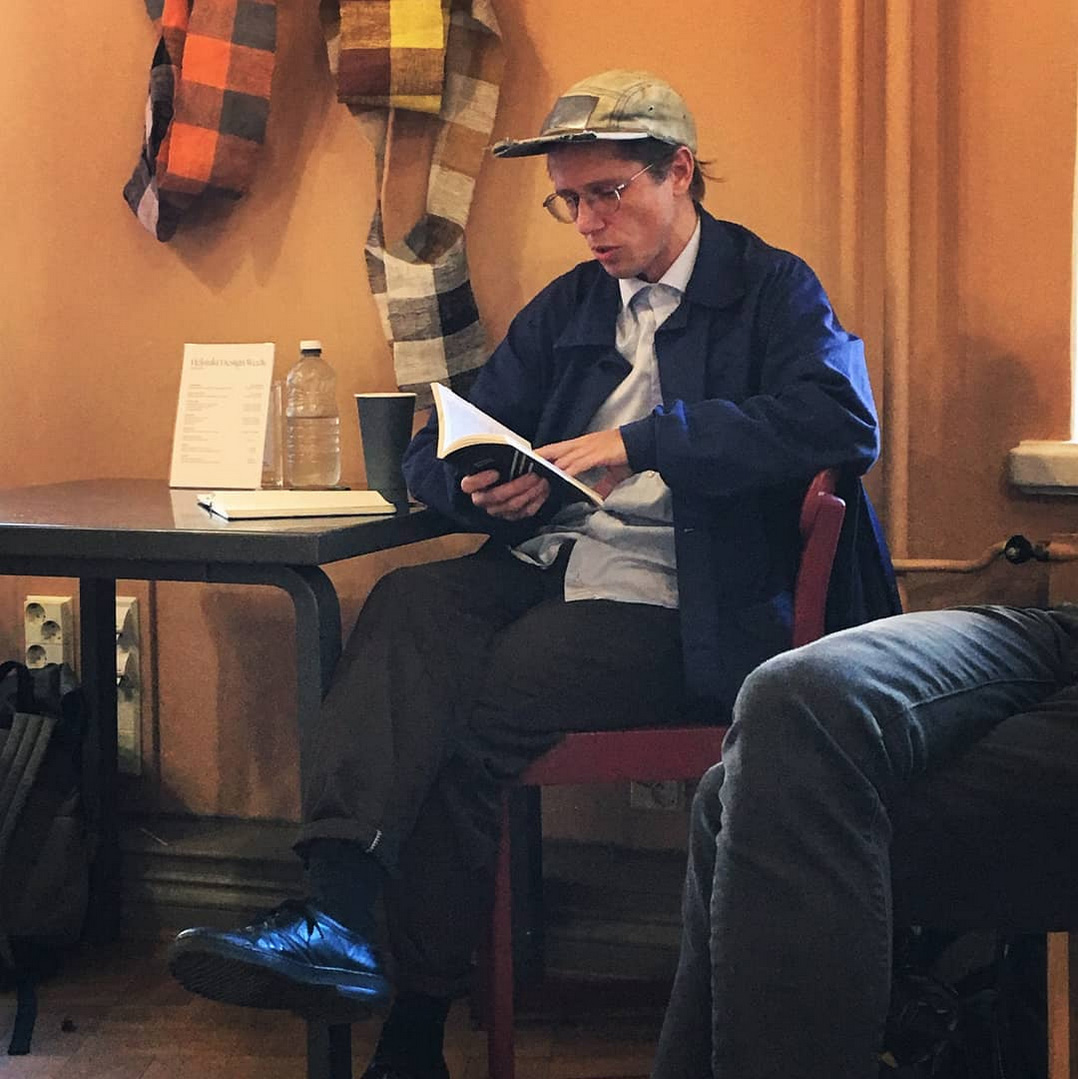
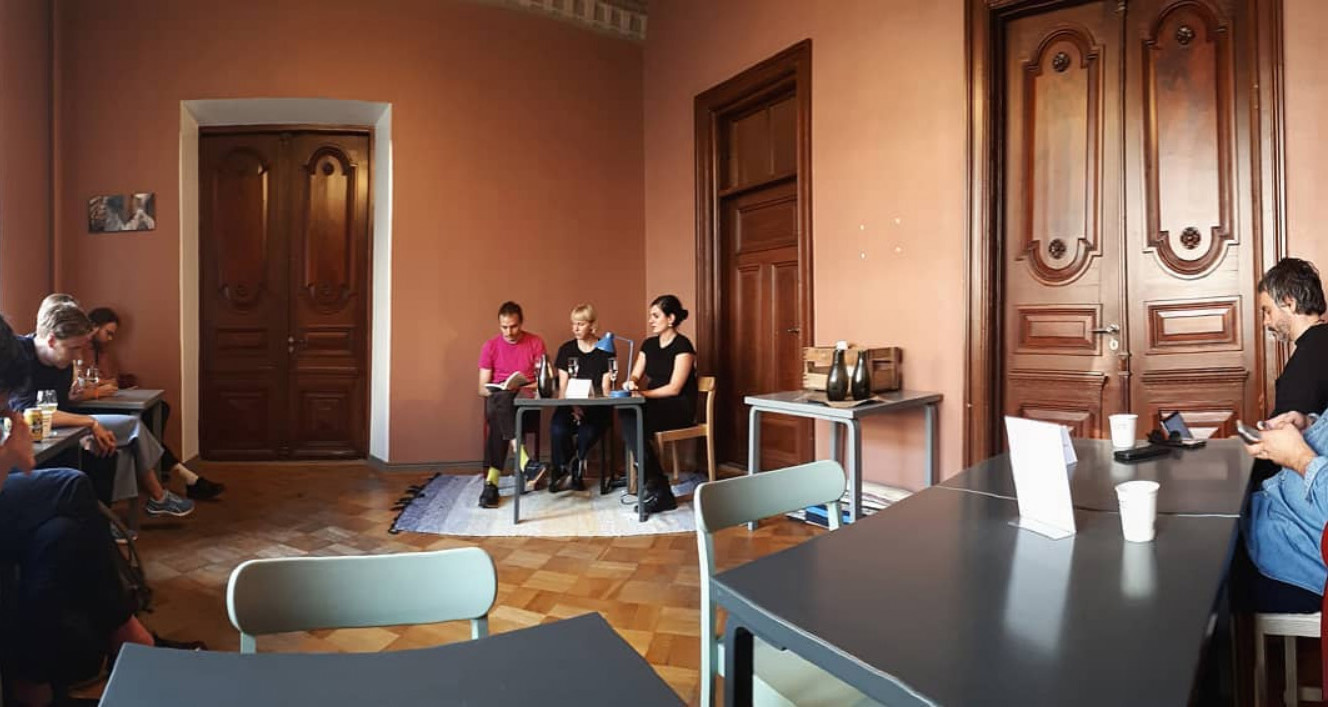
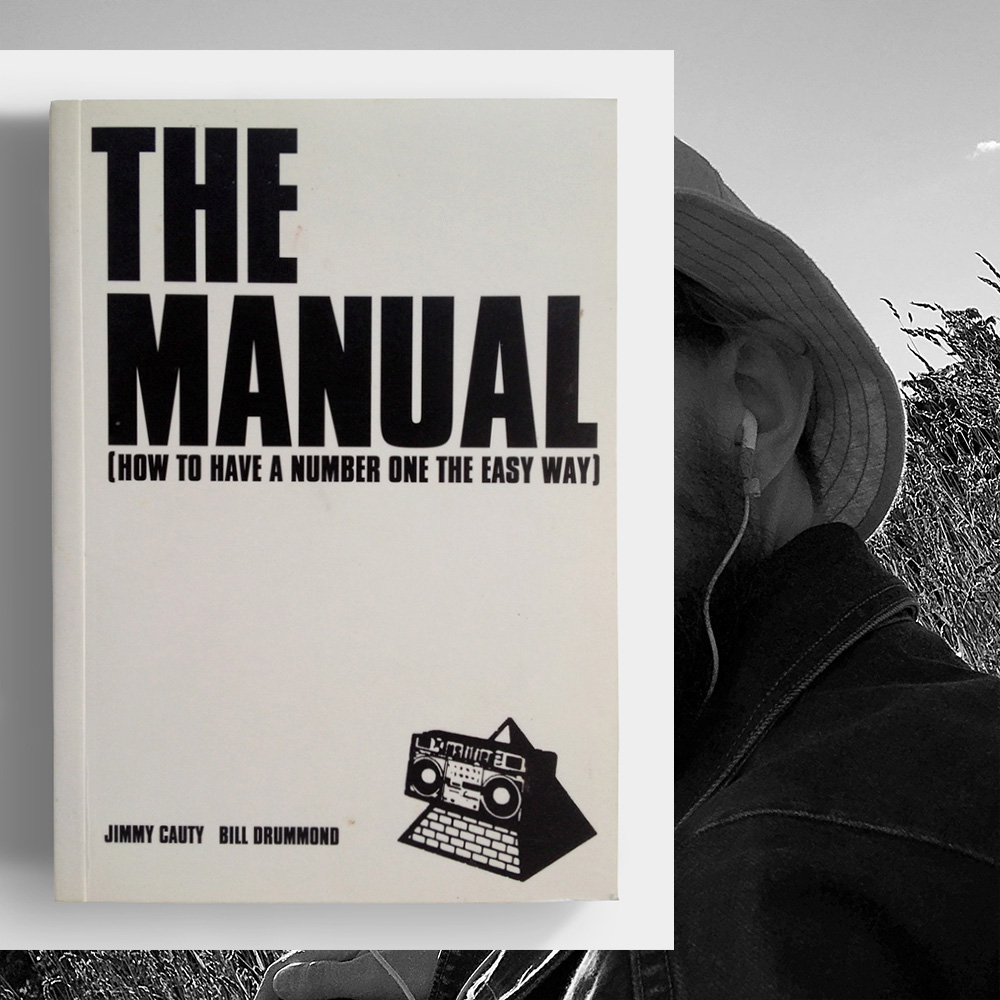
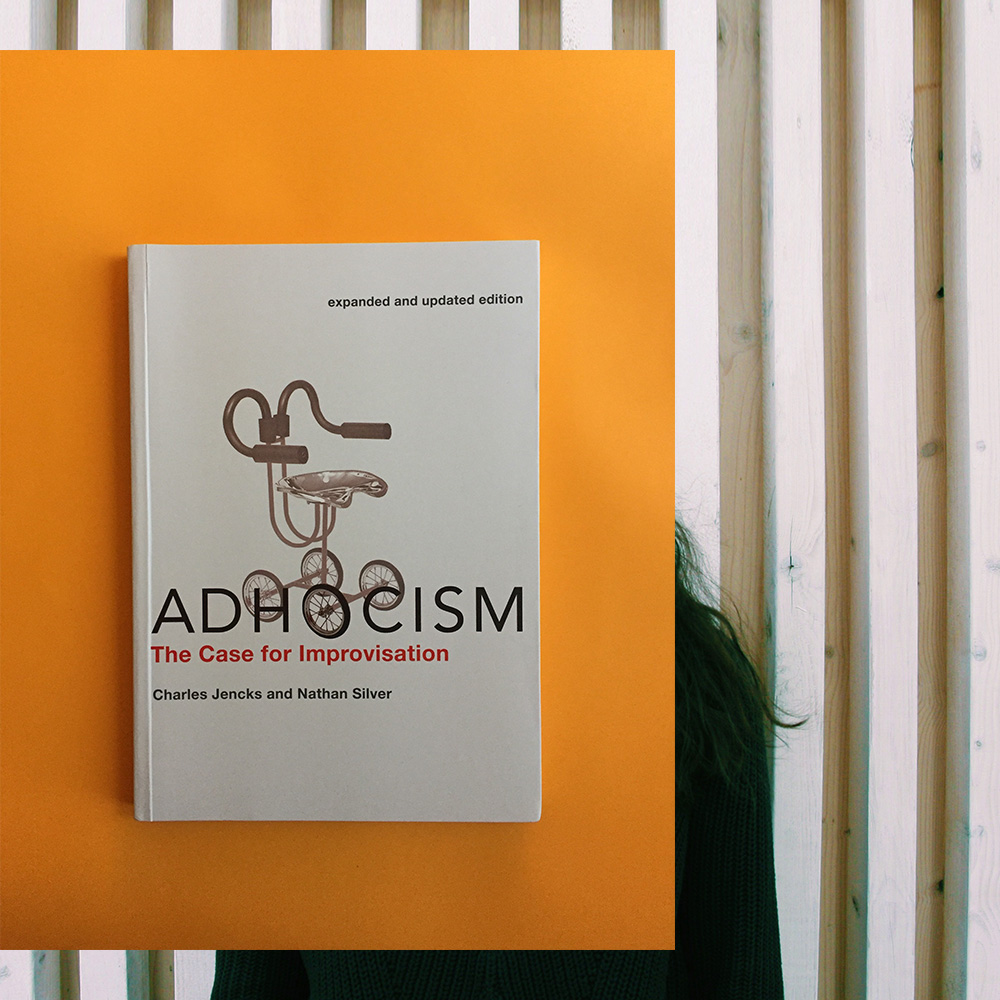
A readings series, presented by Helsinki Design Library.
2019
-
Schiemer table
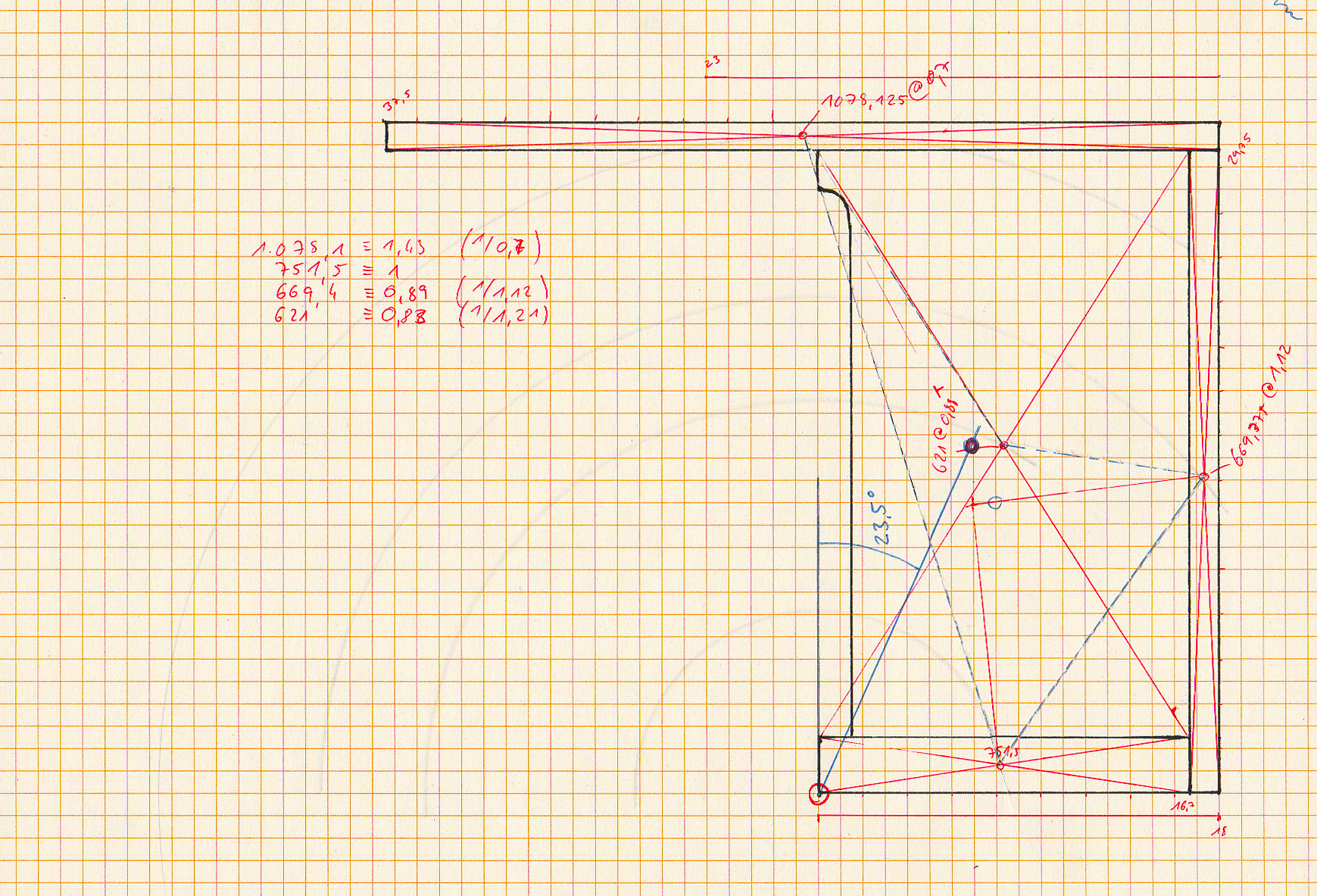

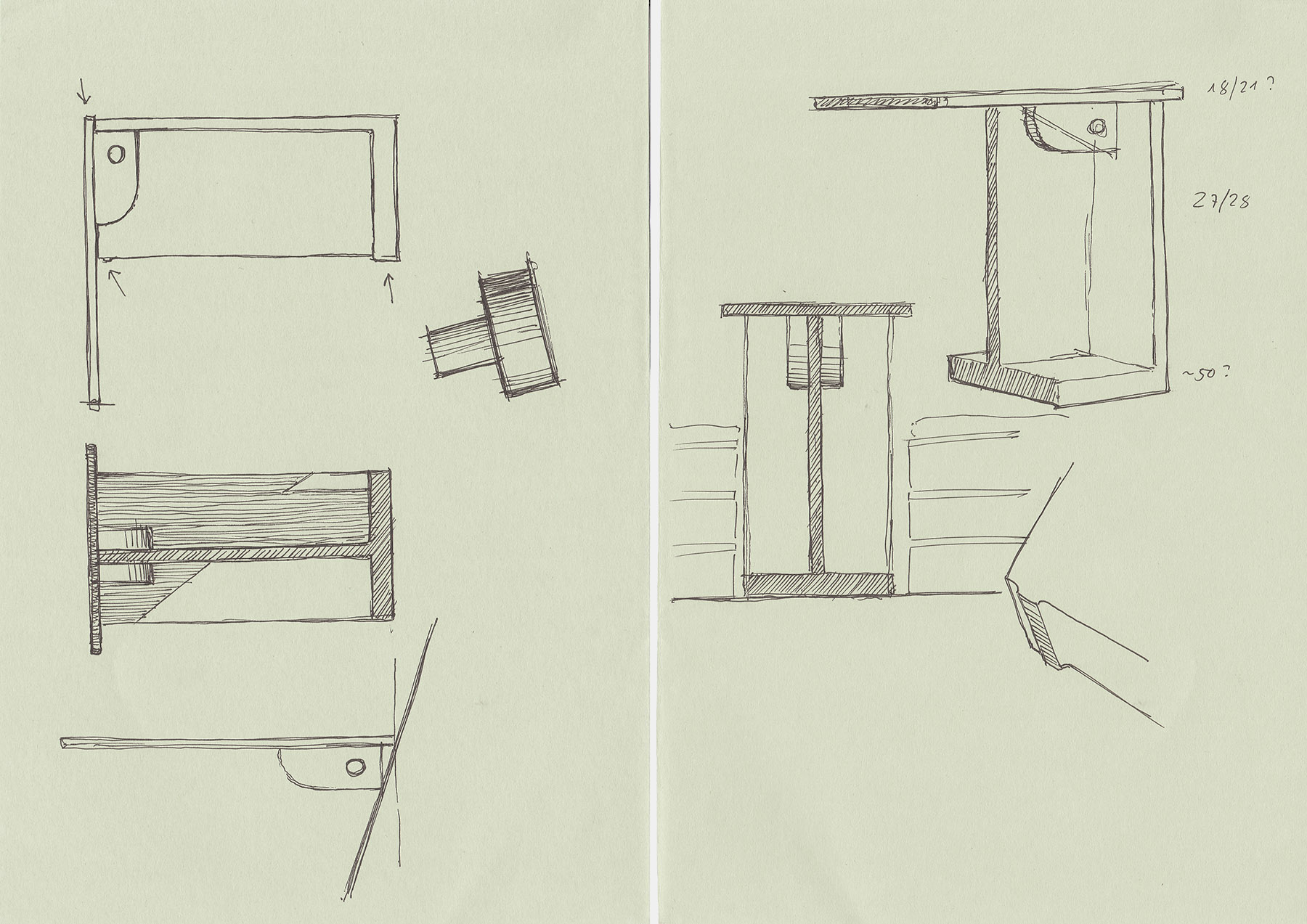
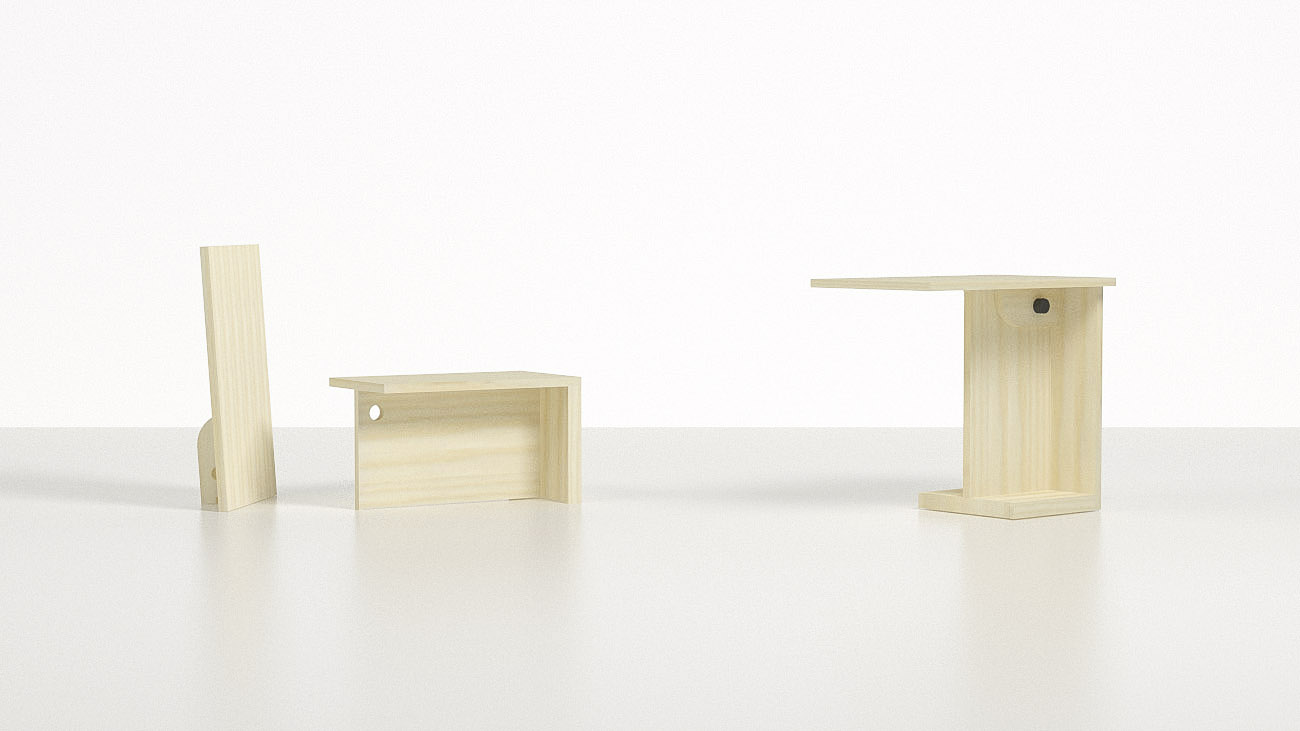
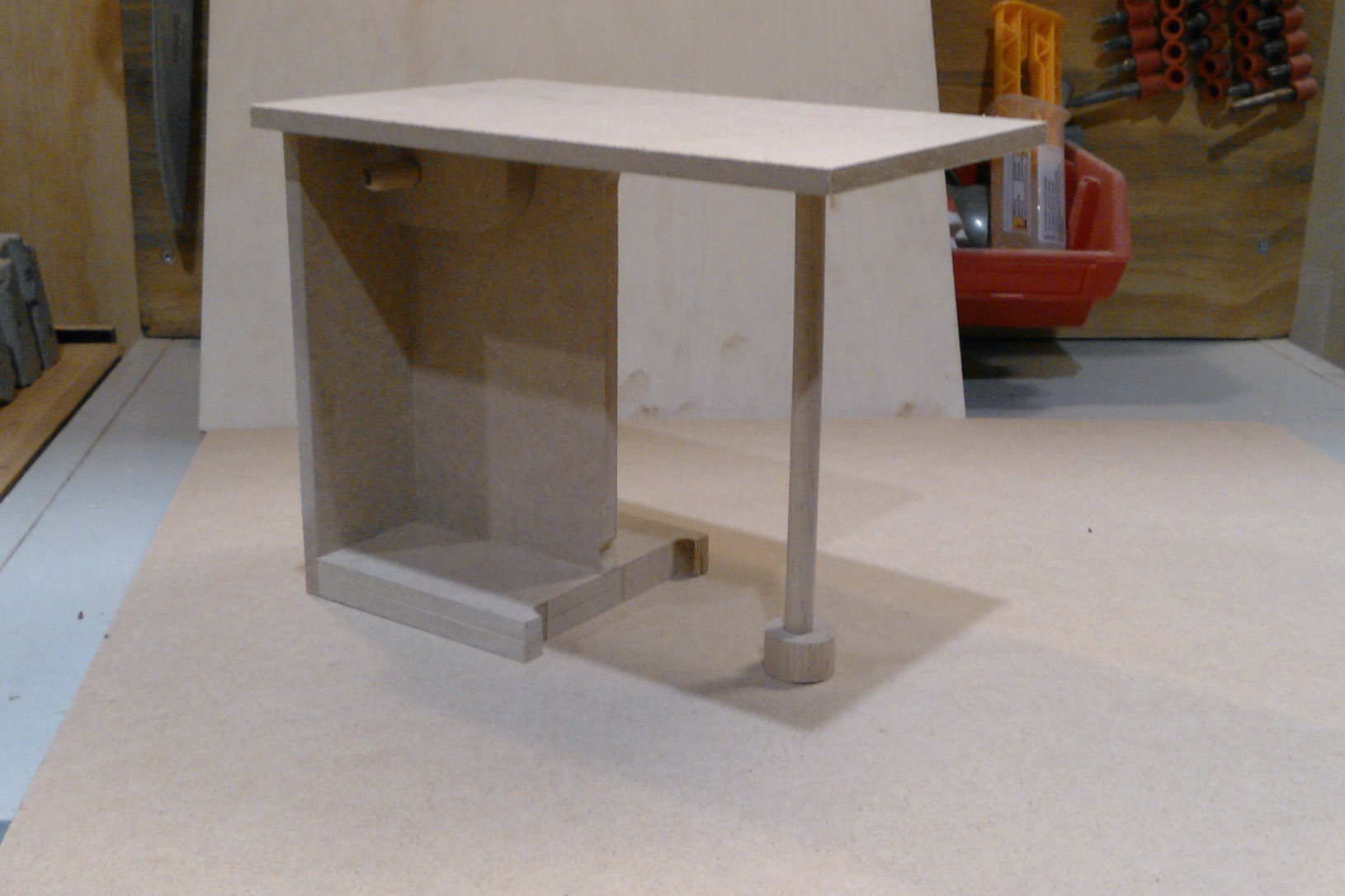
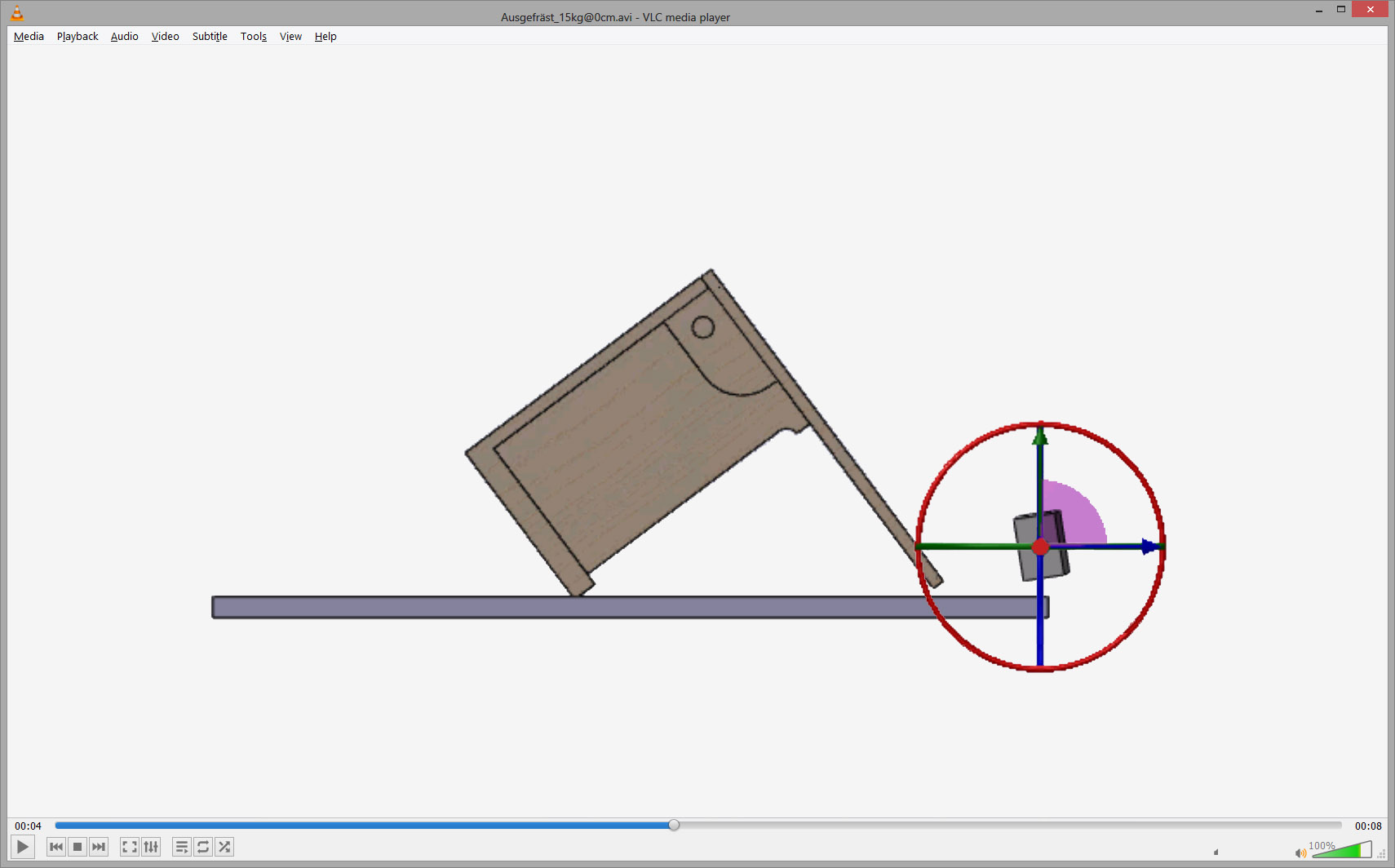
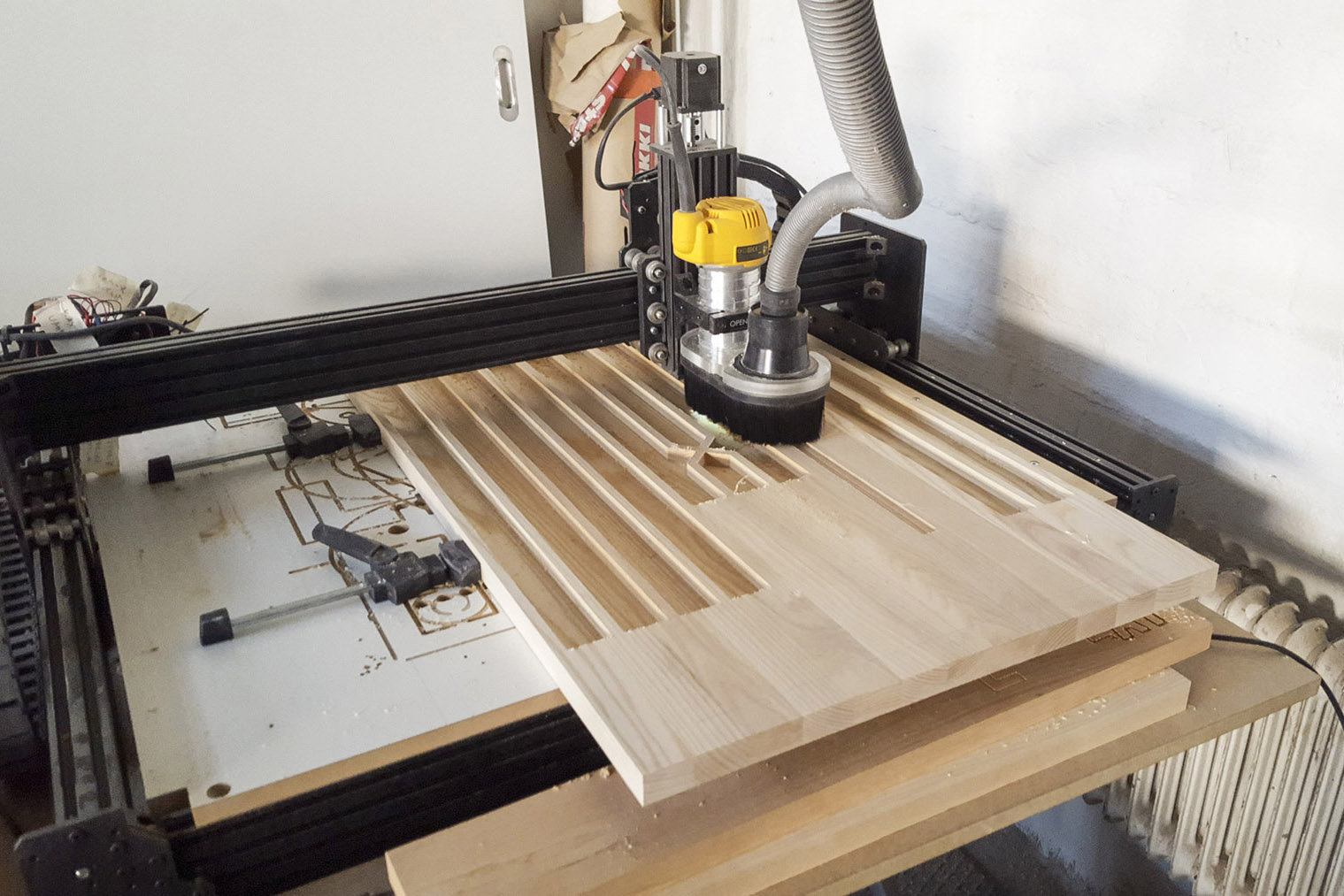
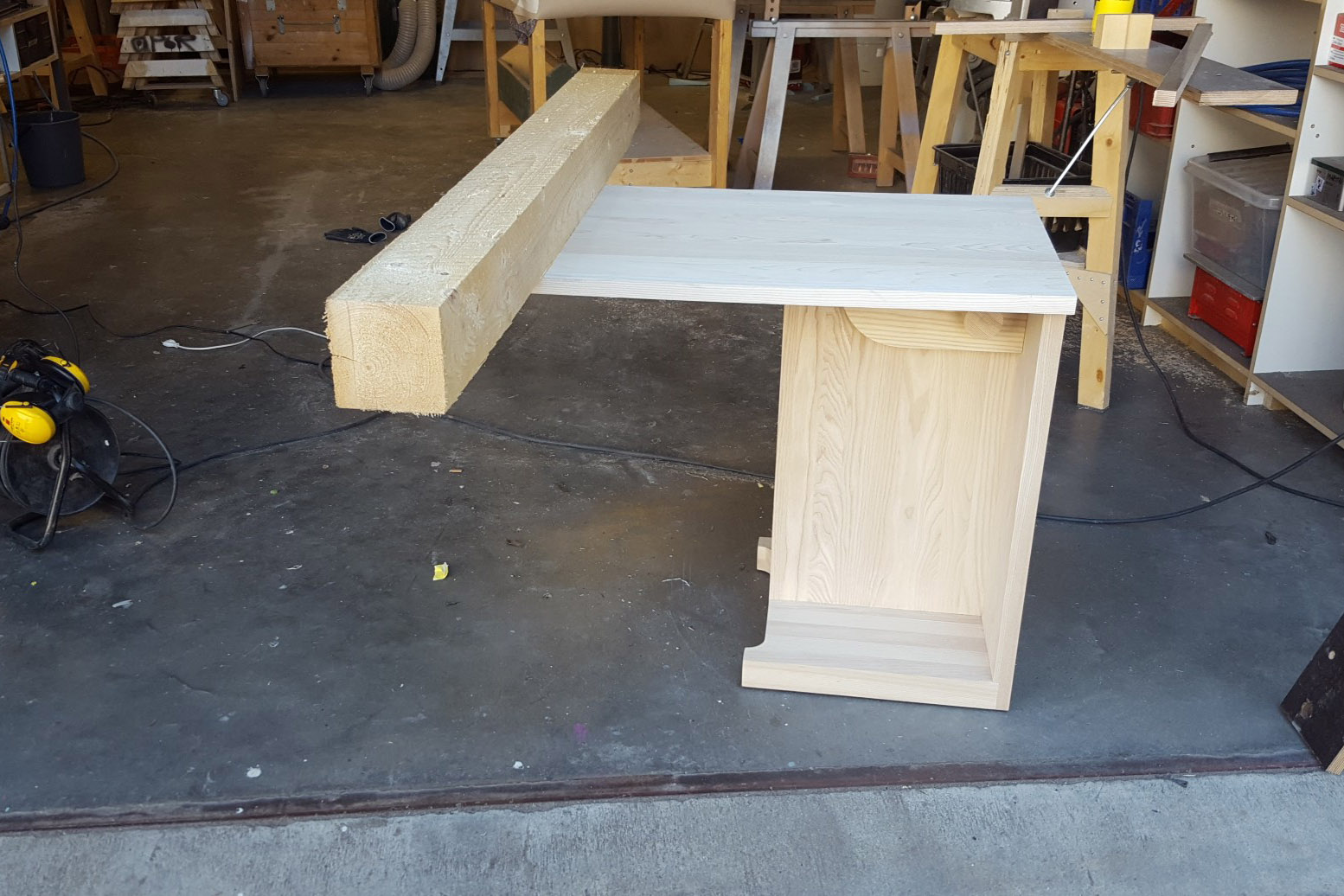
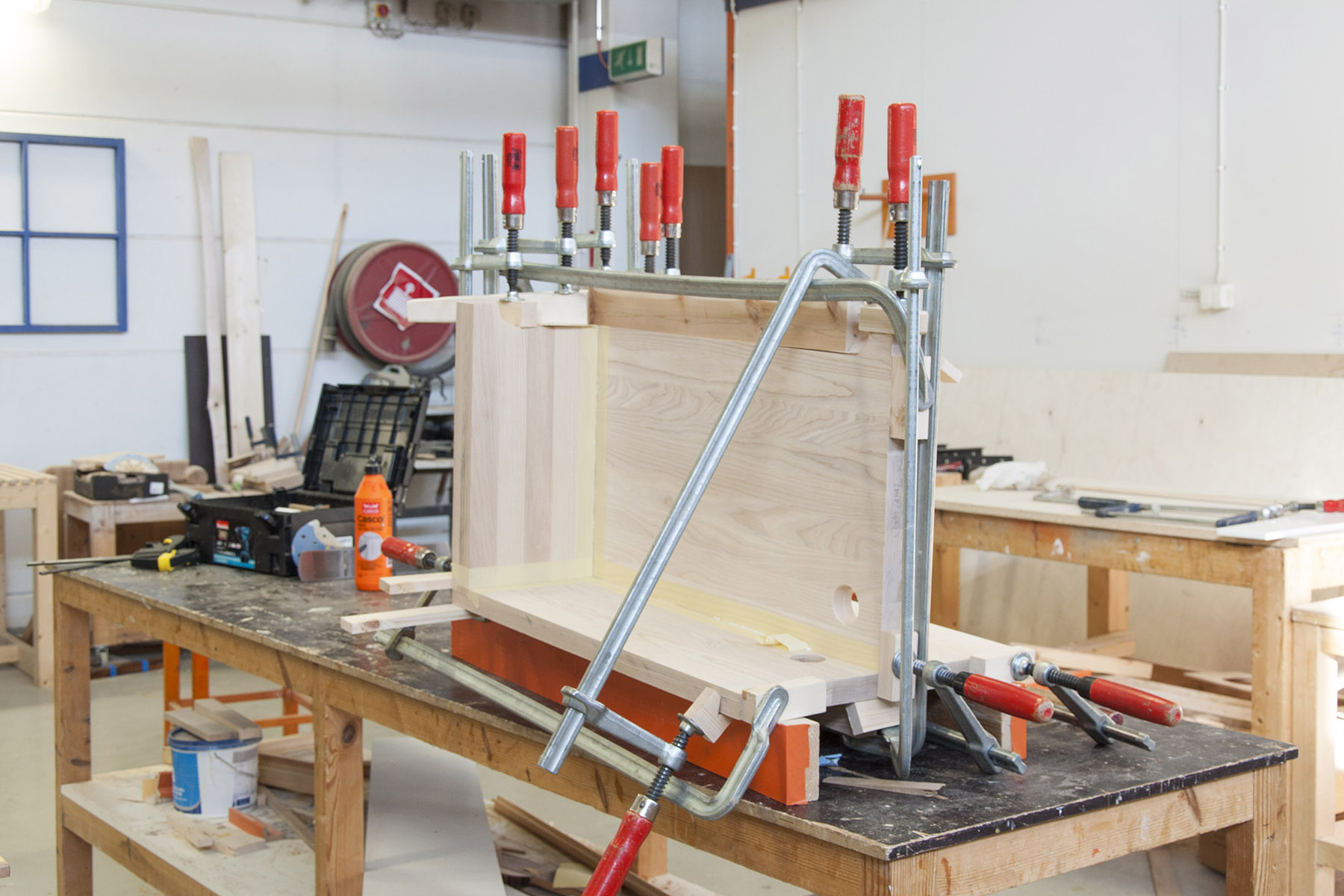
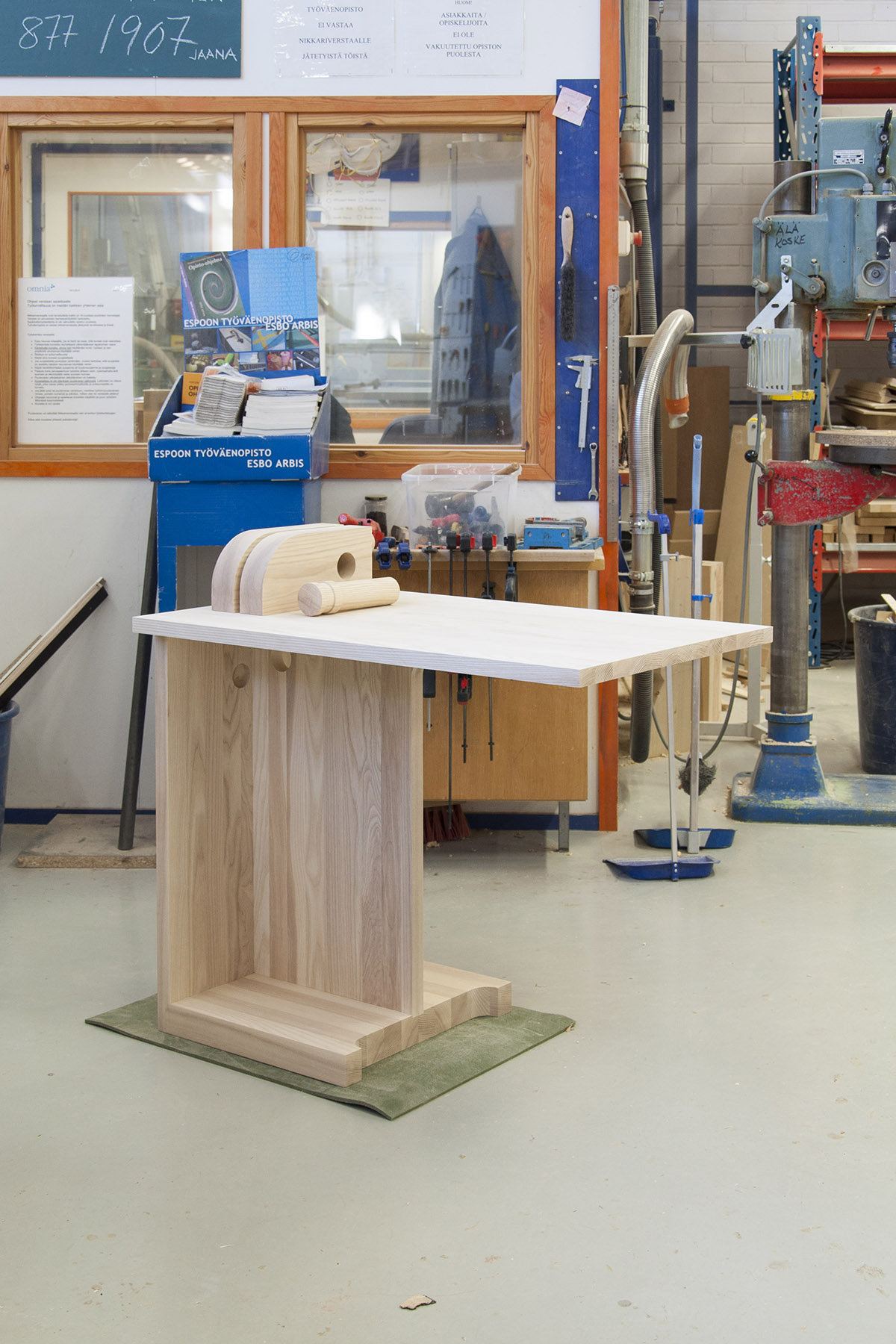
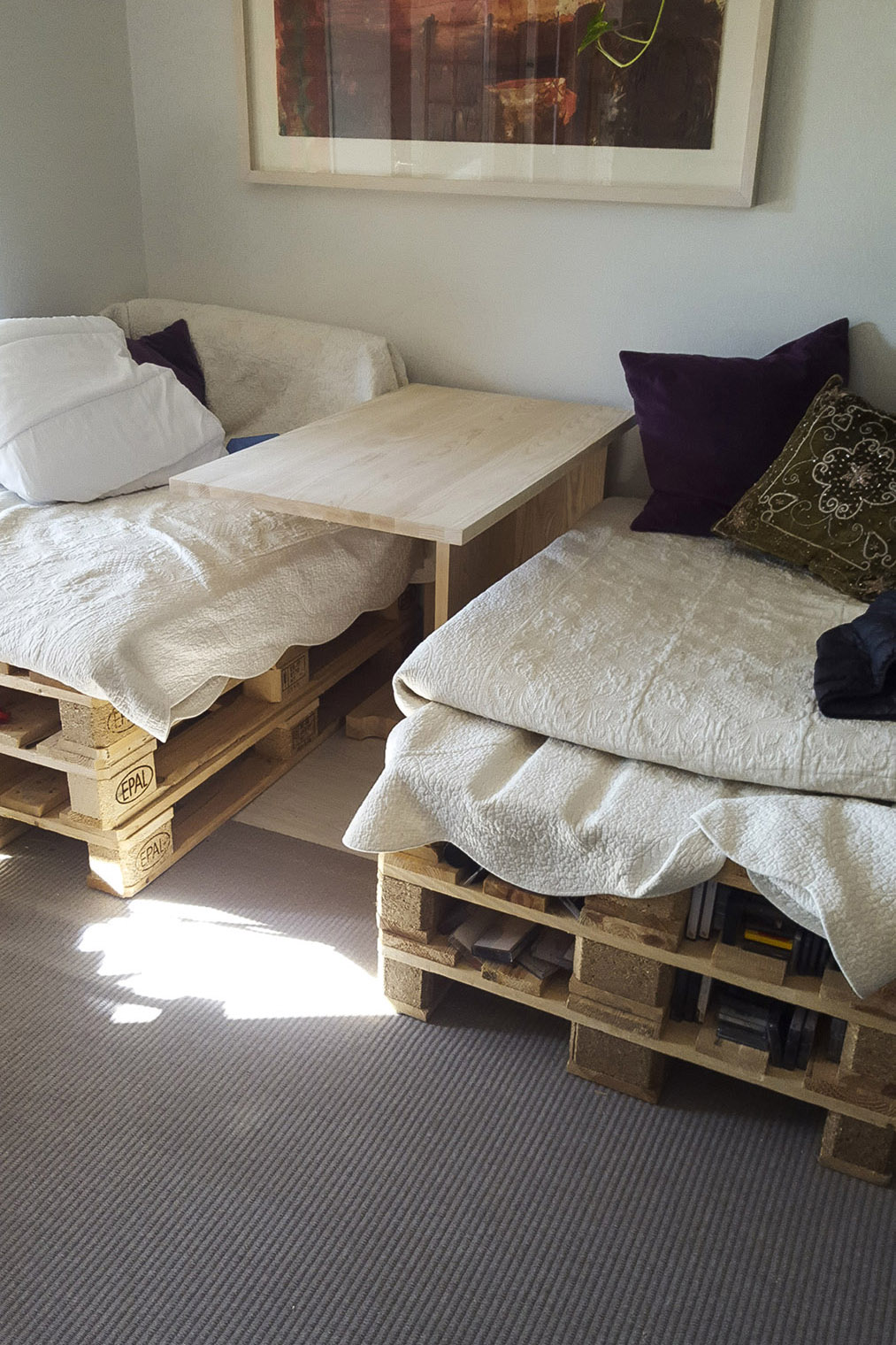
Convertible table.
2018
- Client
- C. Schiemer, Helsinki
- Material
- ash
- leather
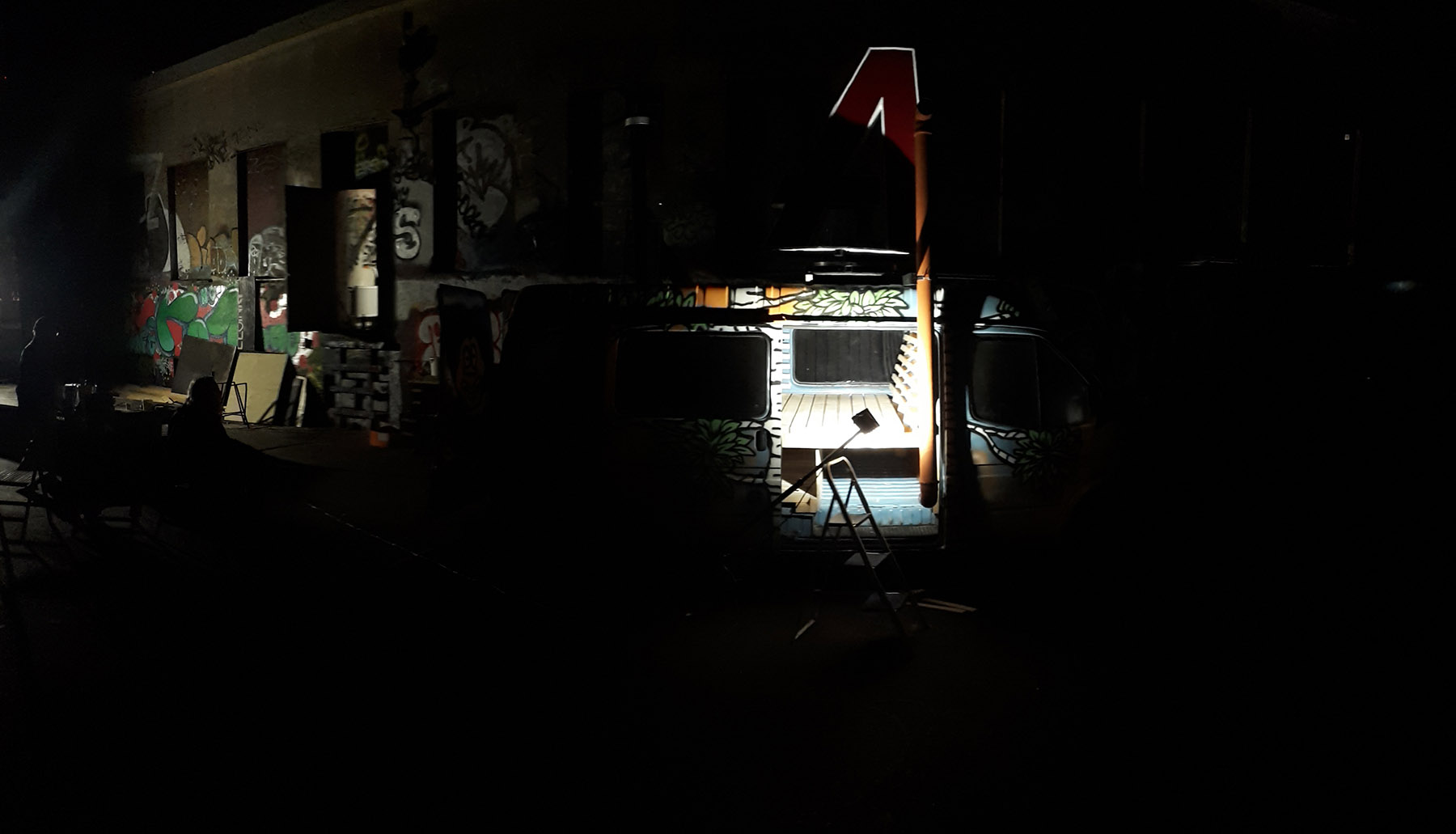
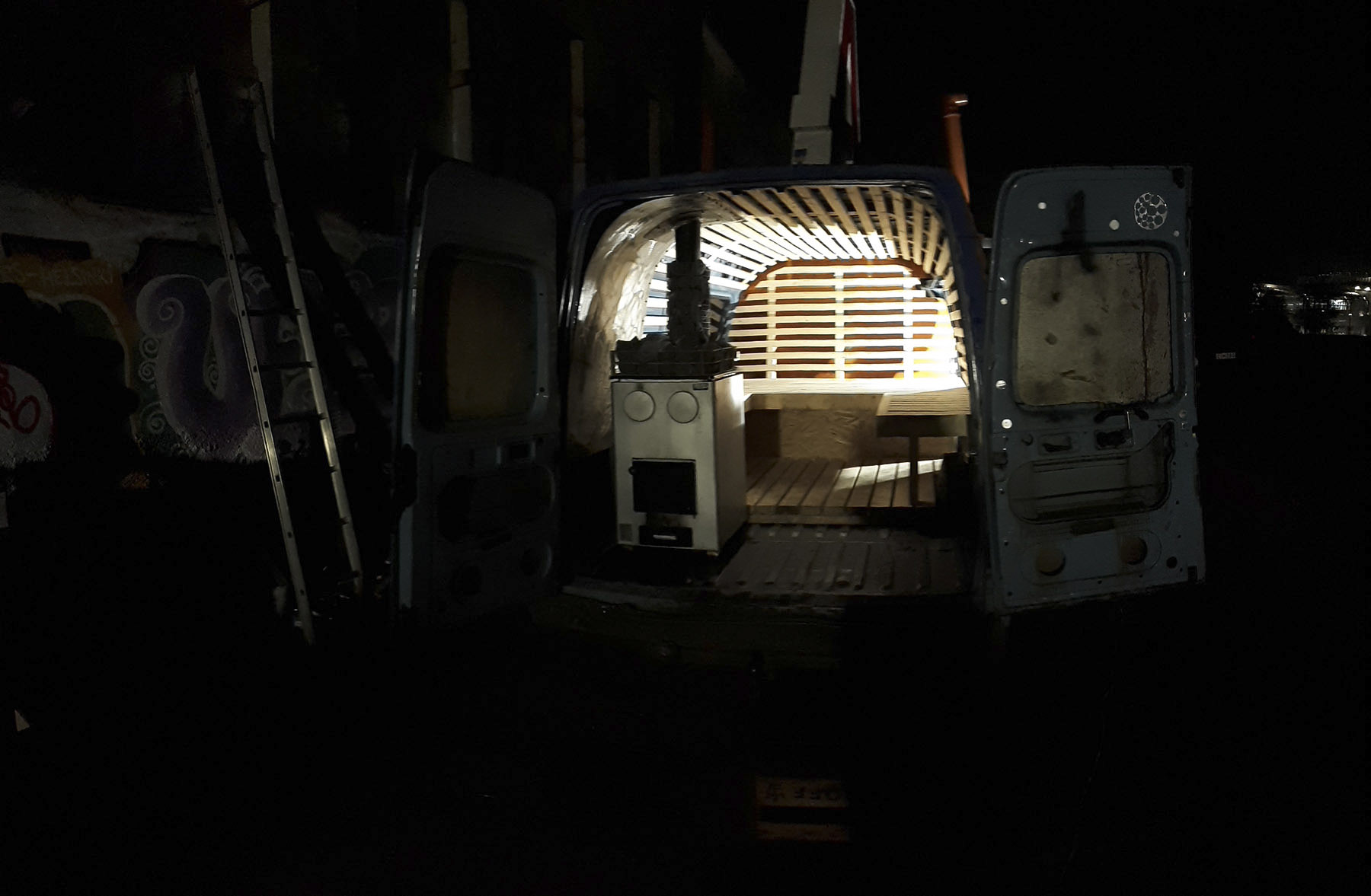
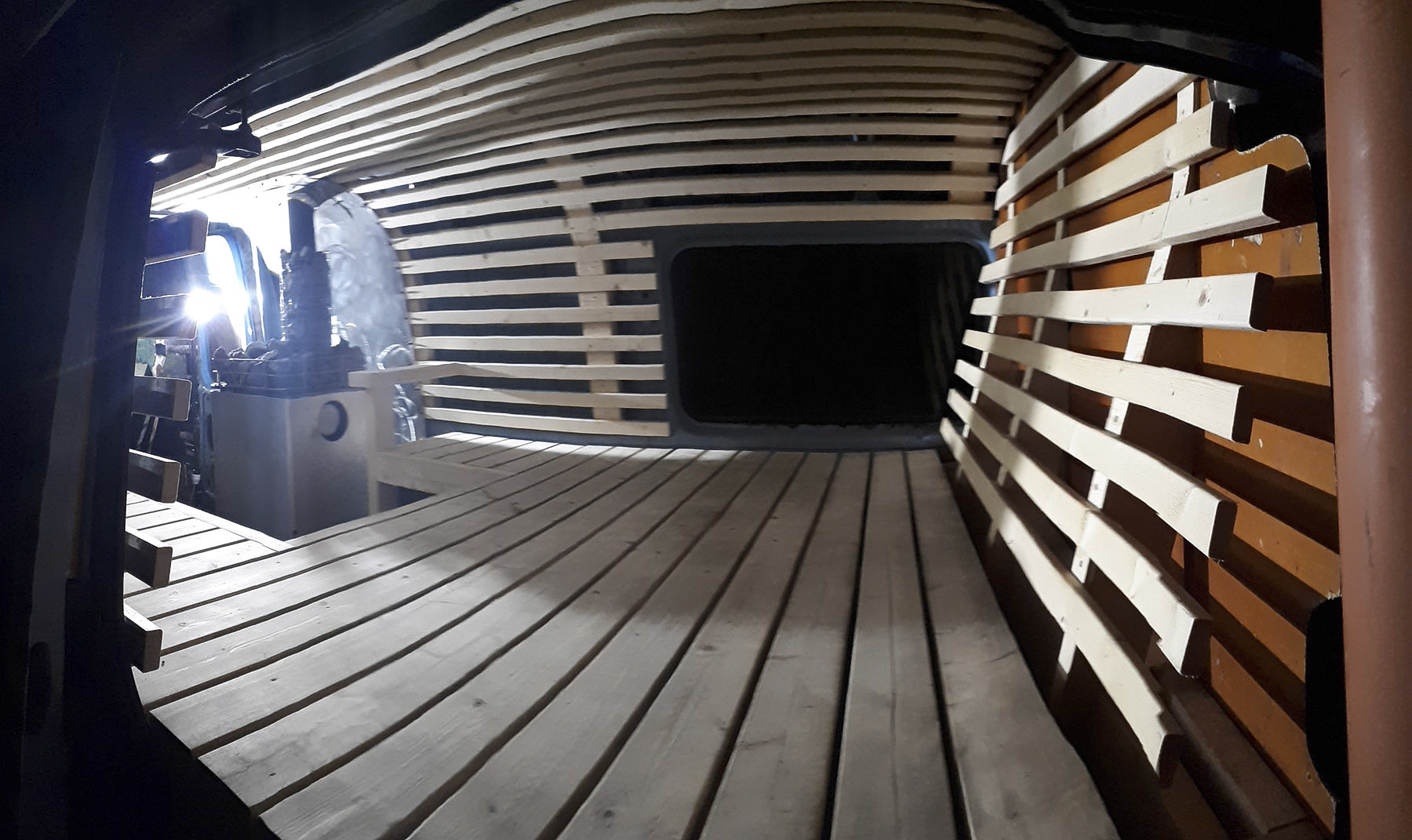
- Avantgarde Vekkula sauna
-
Weaving Kiosk book
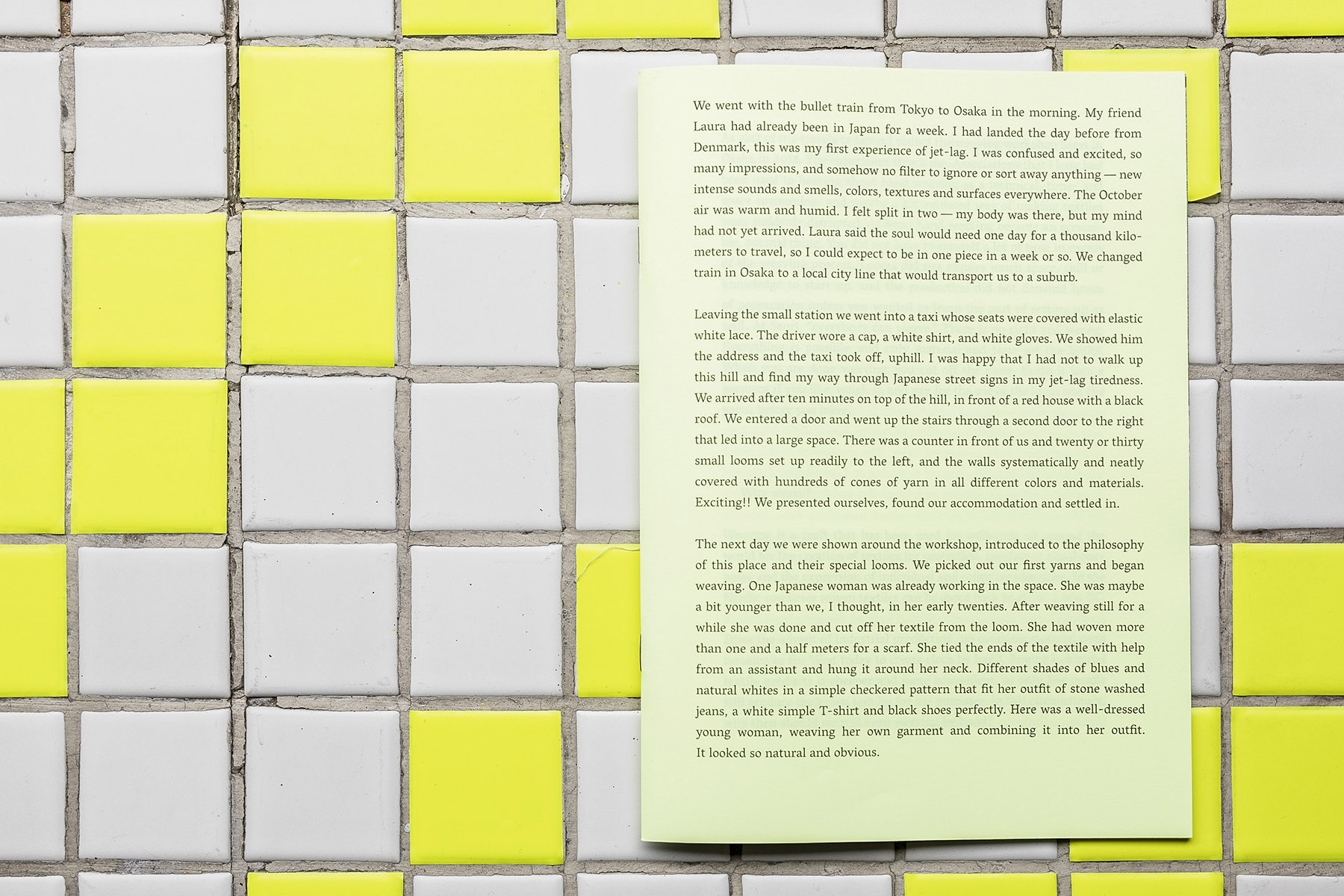
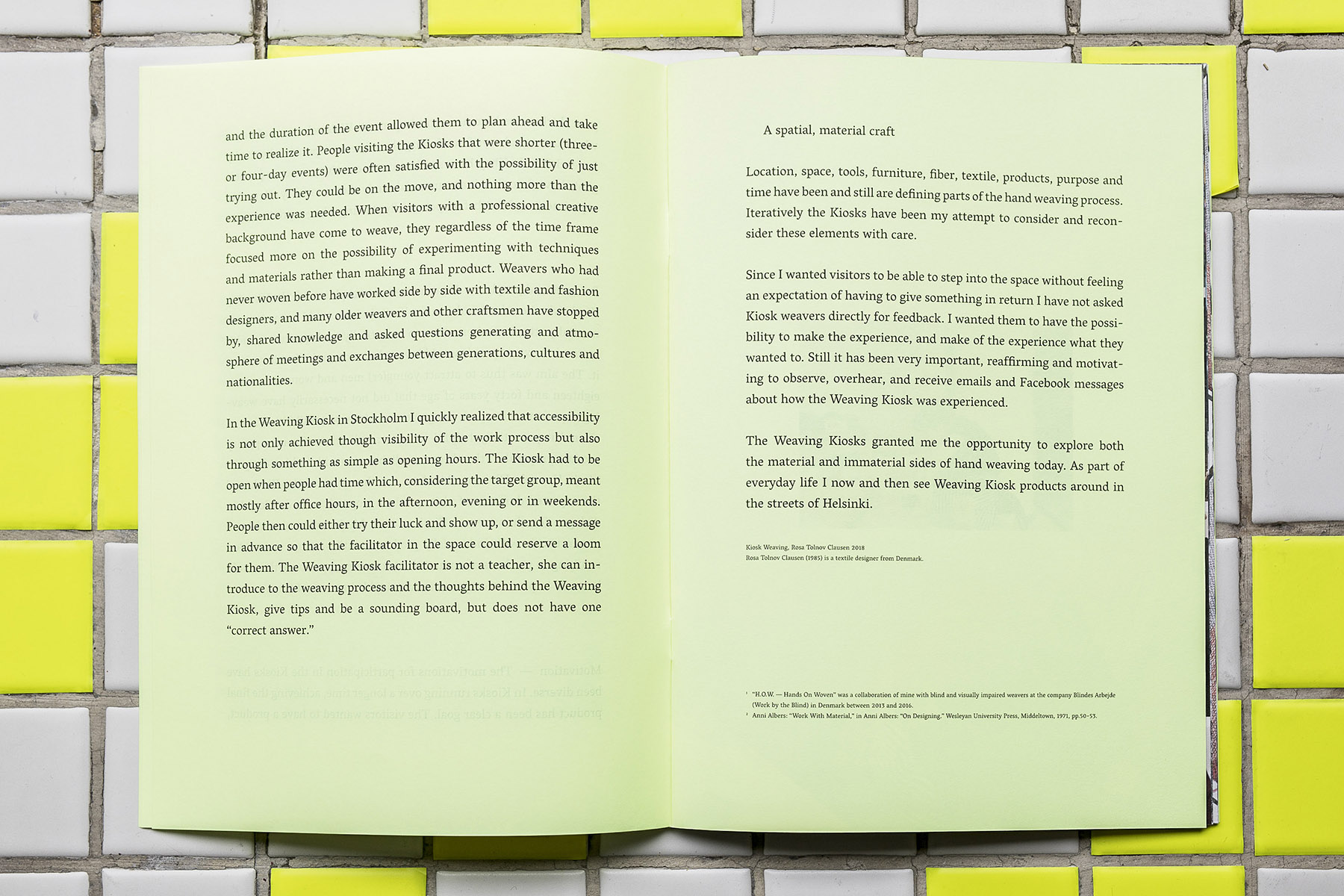
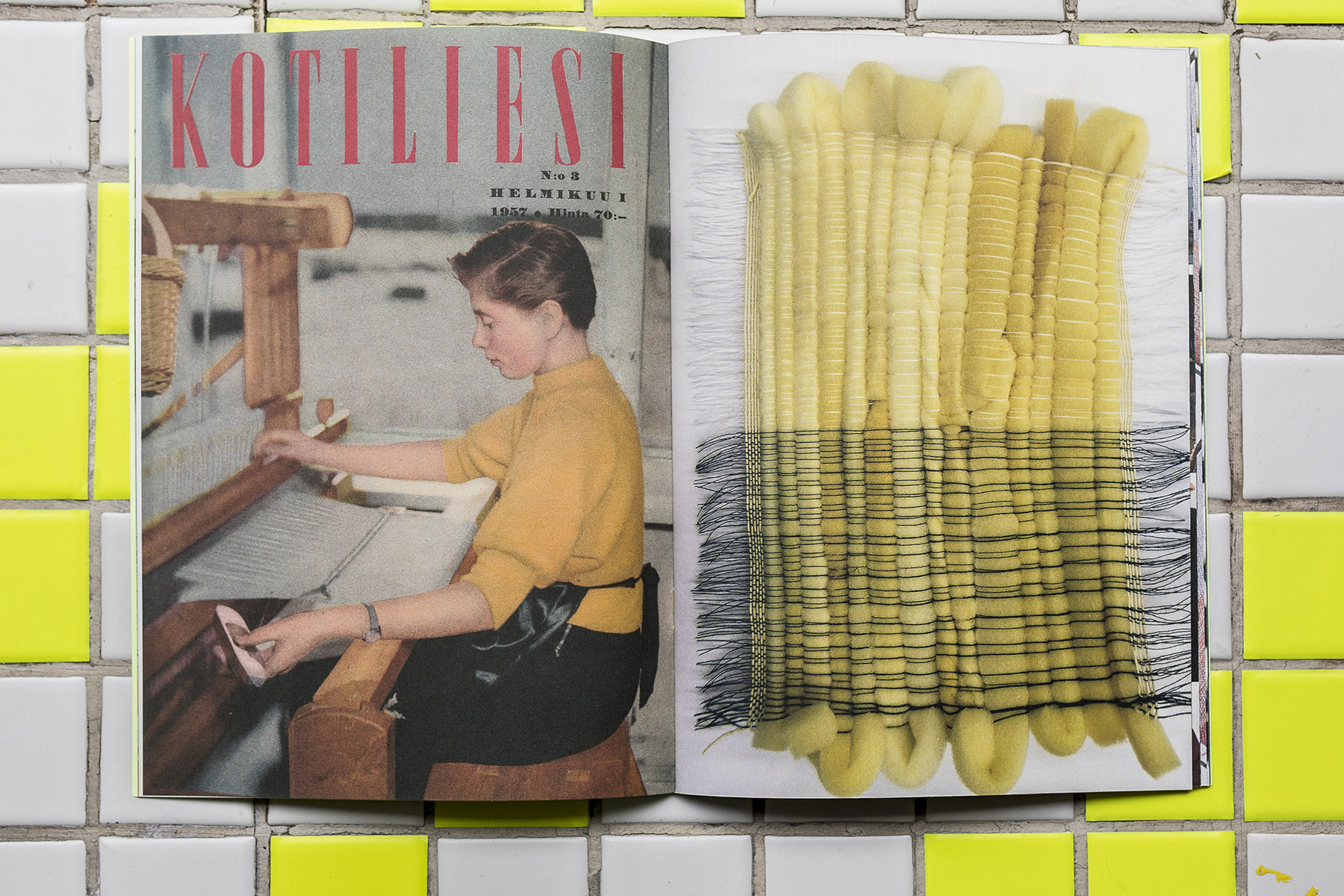
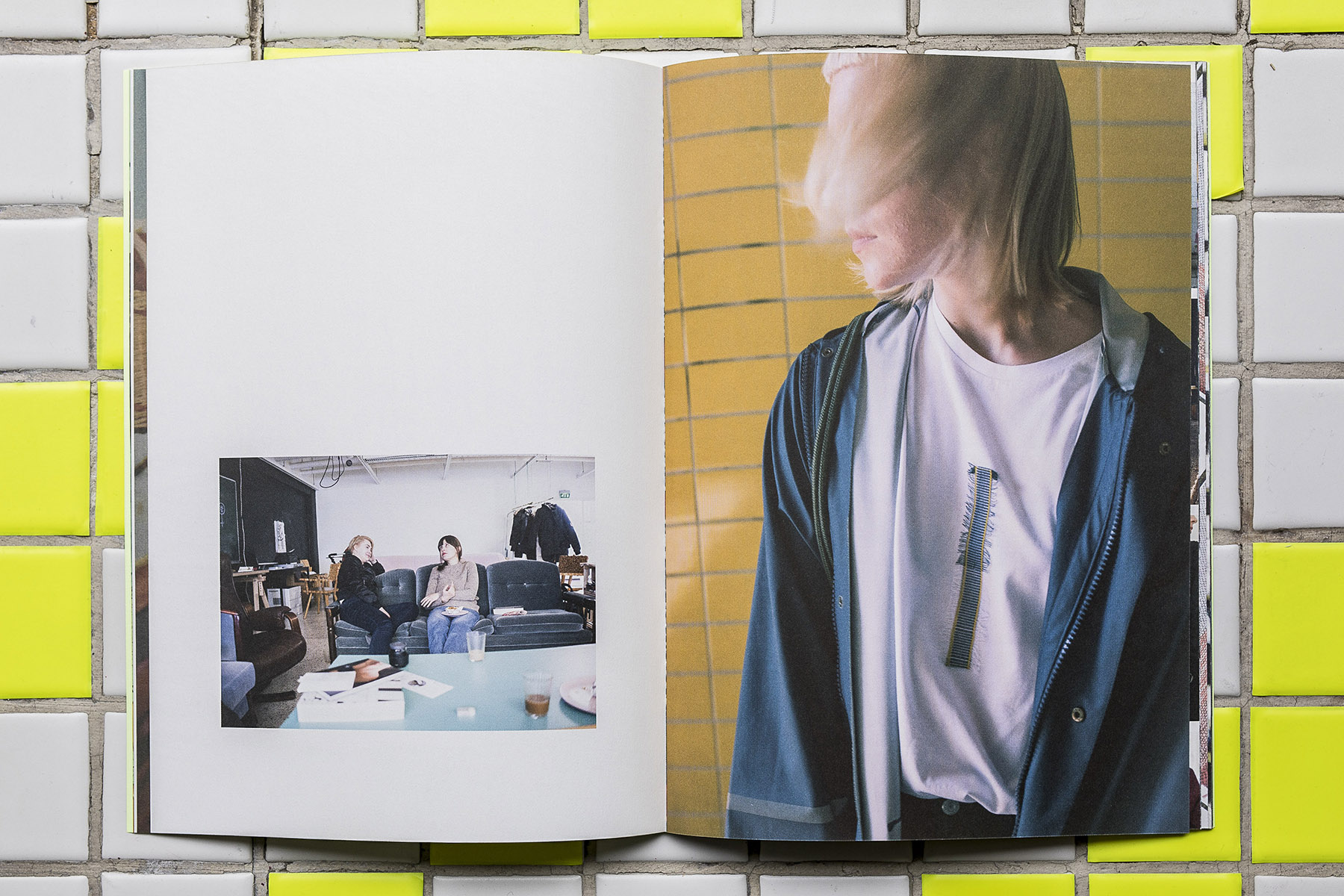
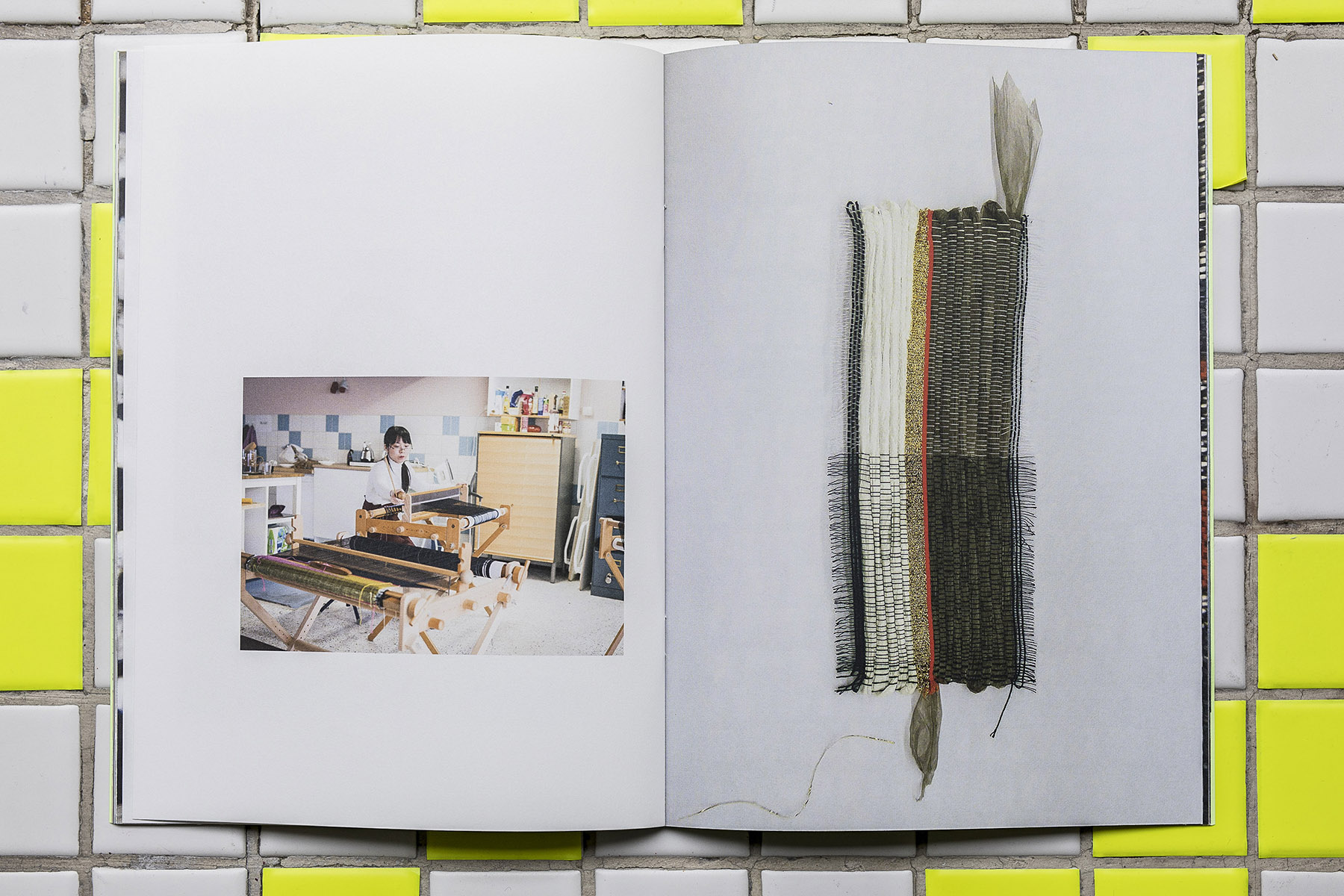
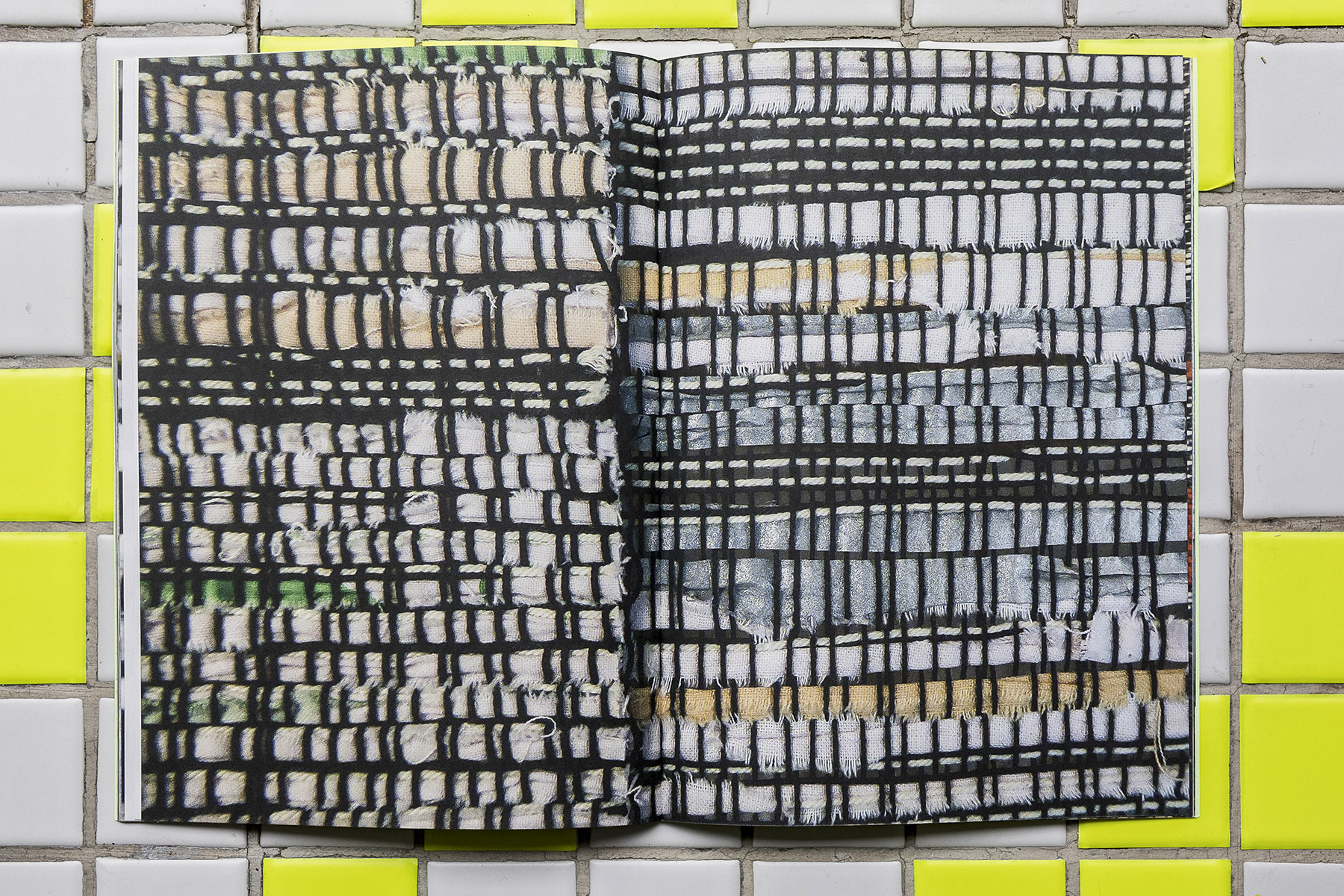
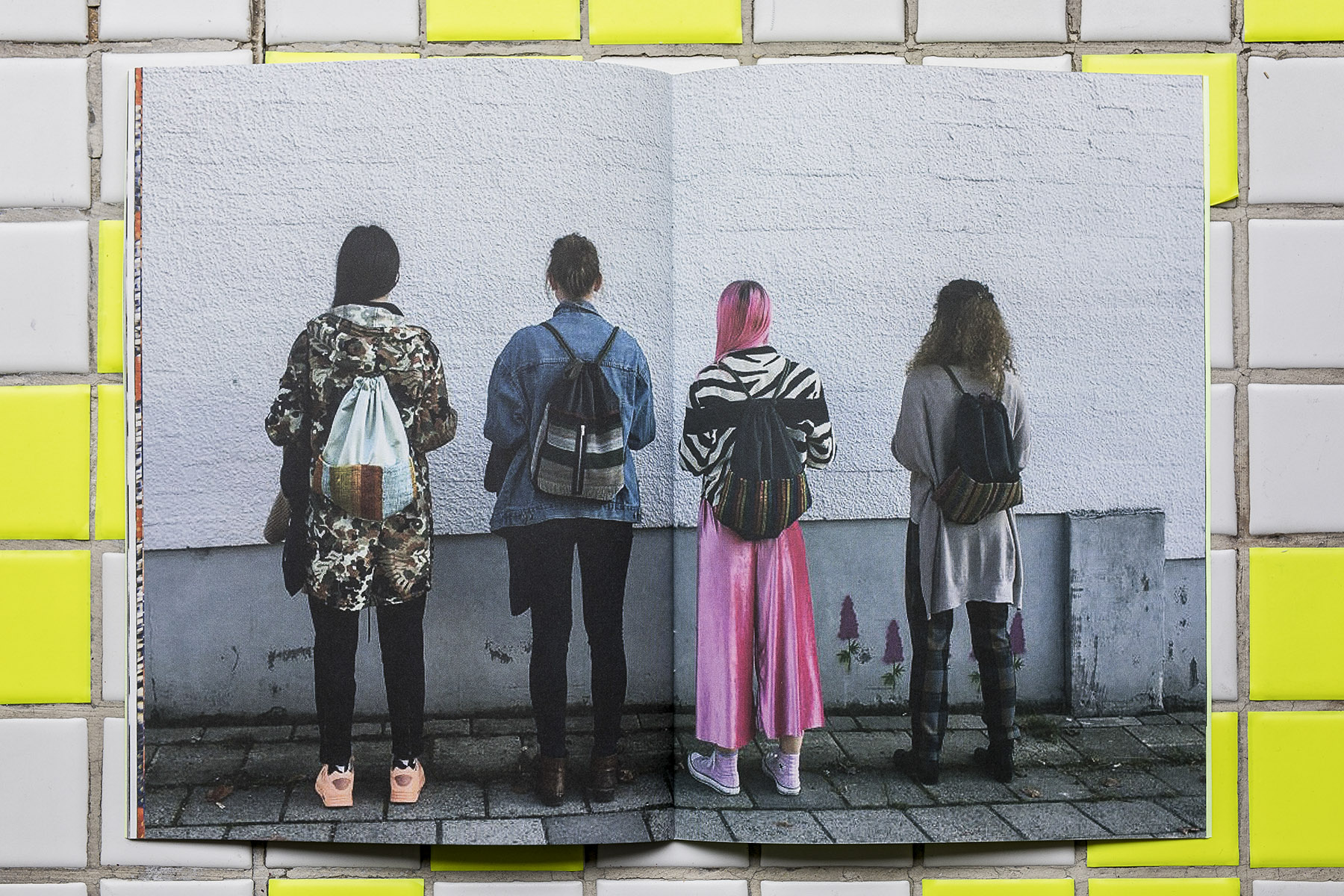
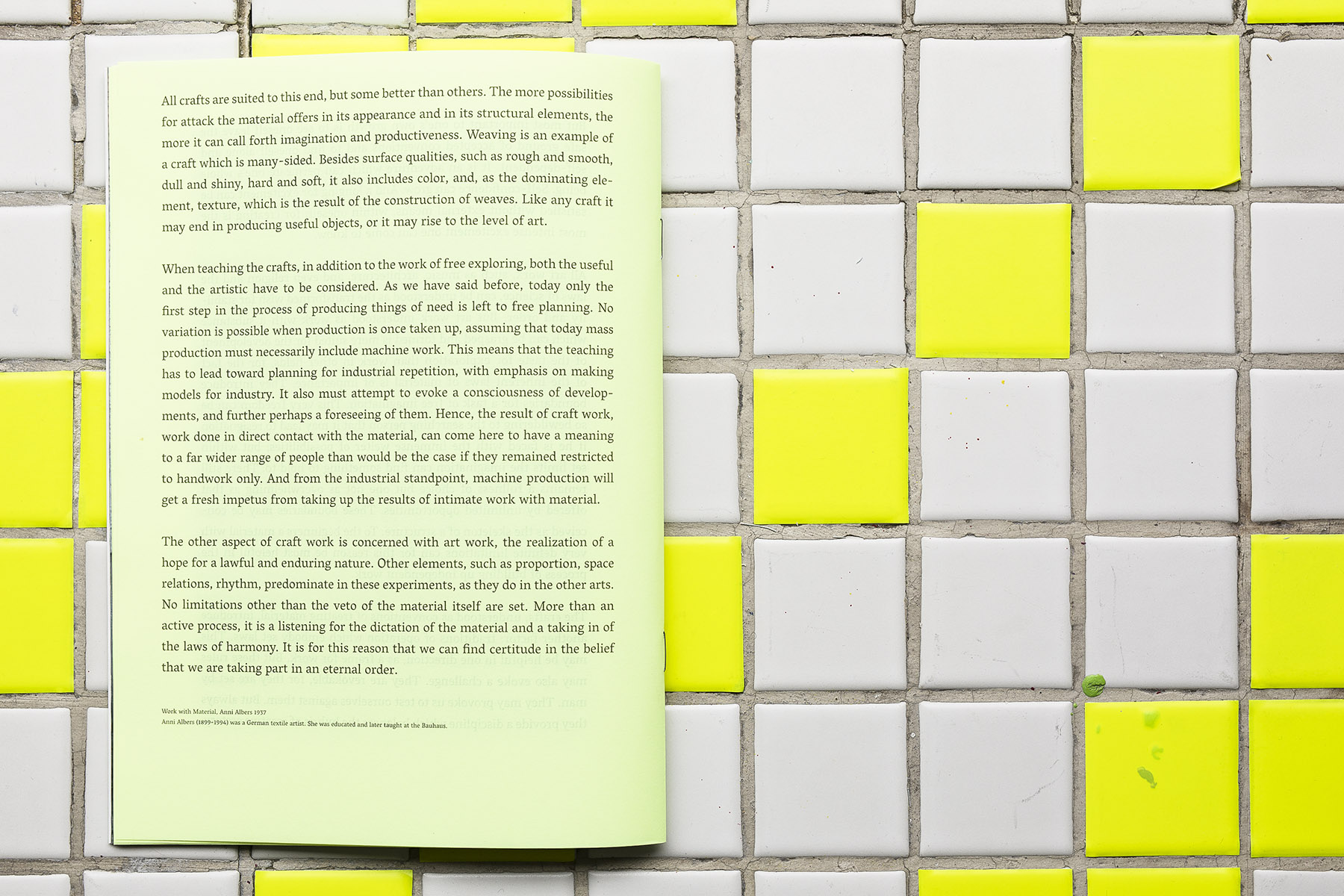
Design for a publication on Rosa Tolnov Clausen’s project Weaving Kiosk.
2018
- Client
- Rosa Tolnov Clausen
- Production
- Printon
-
Wood program booth
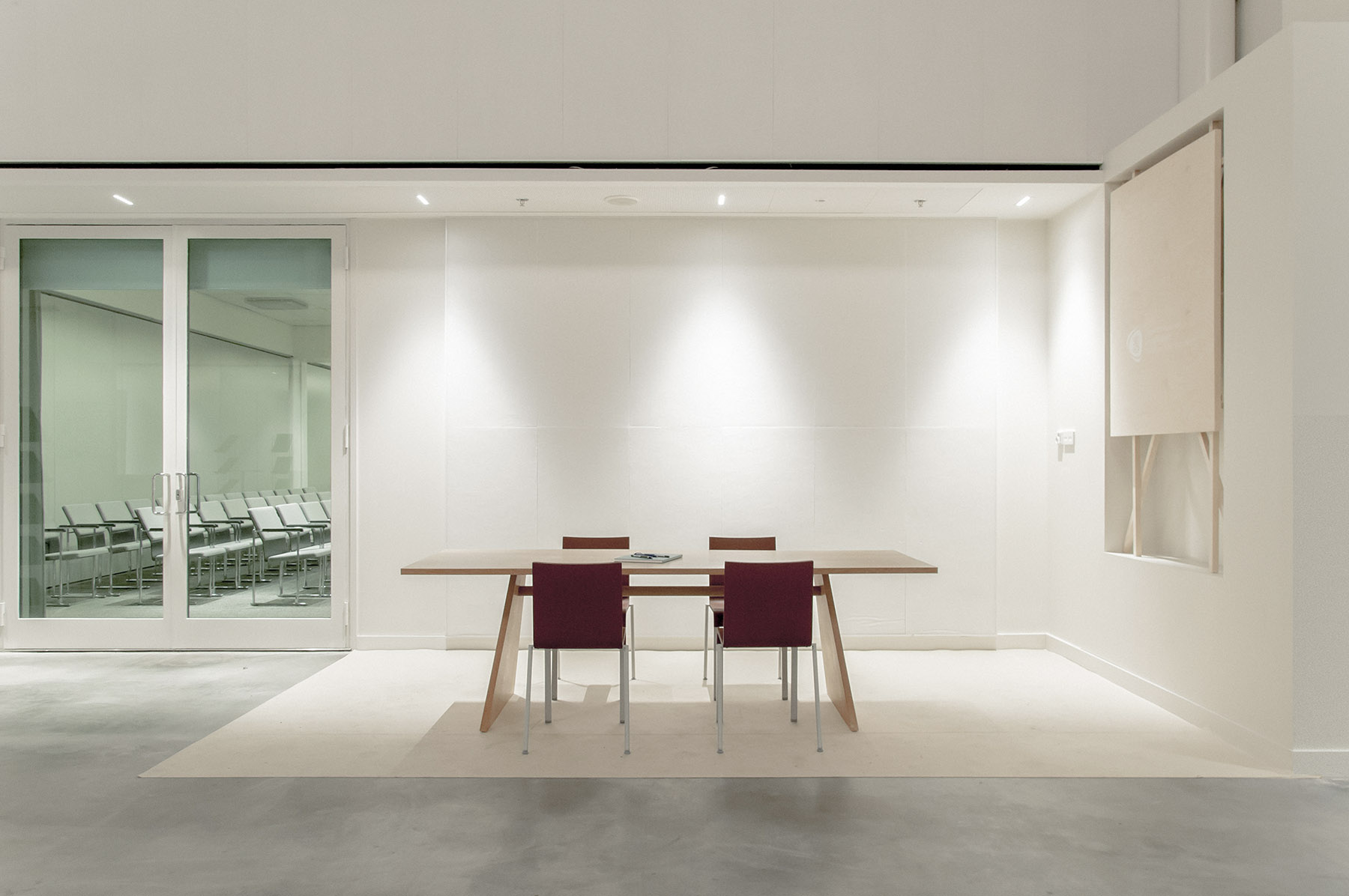
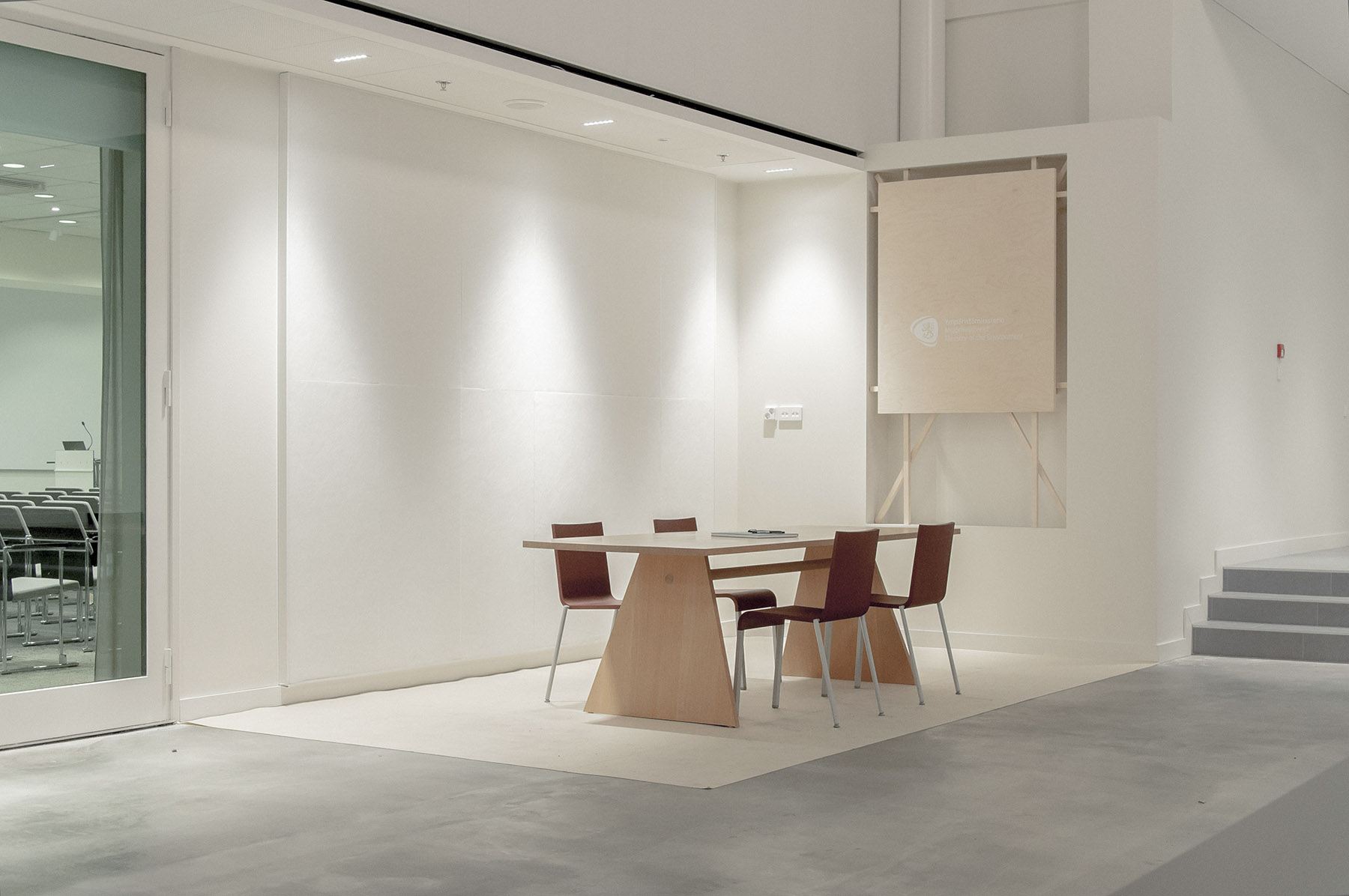
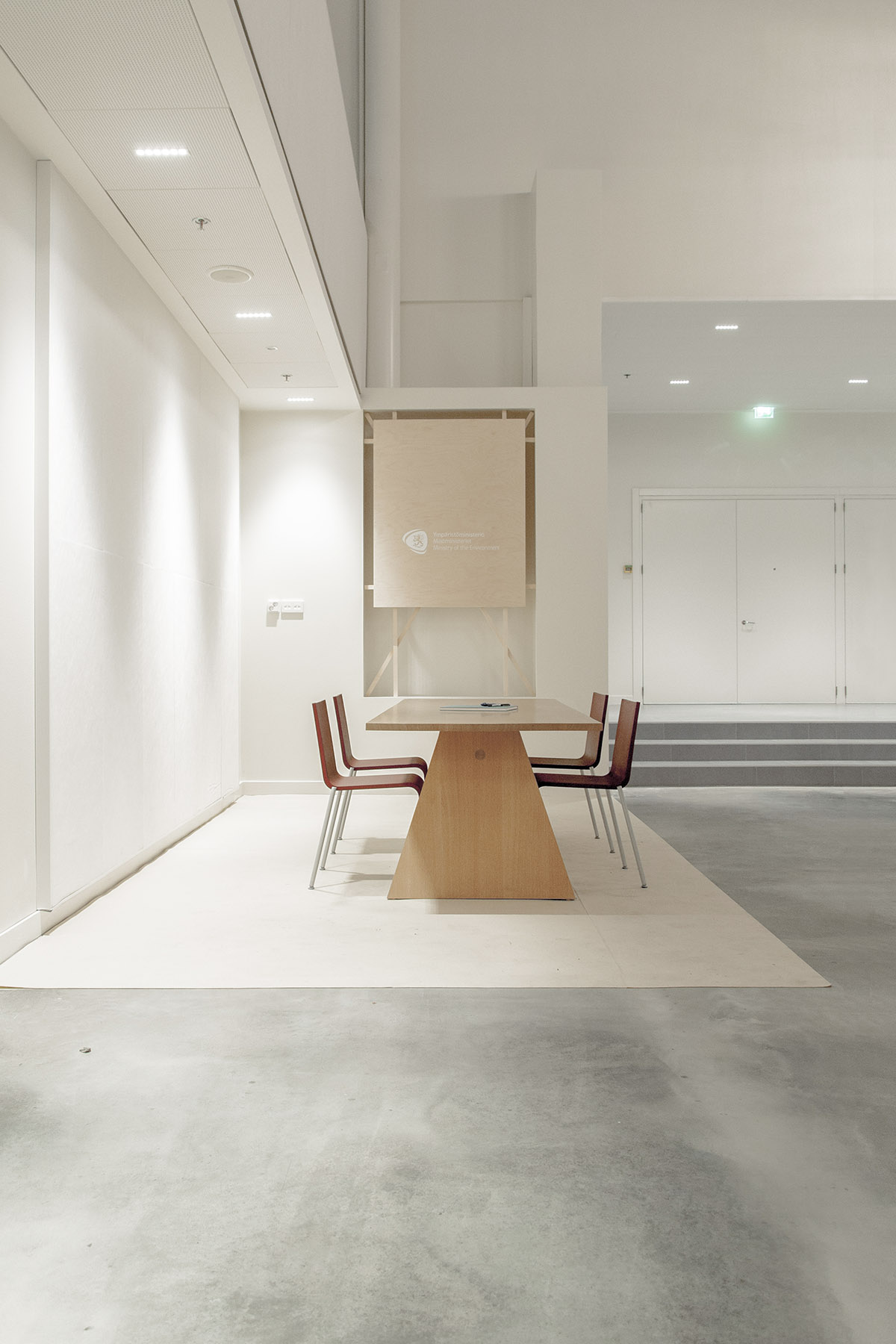
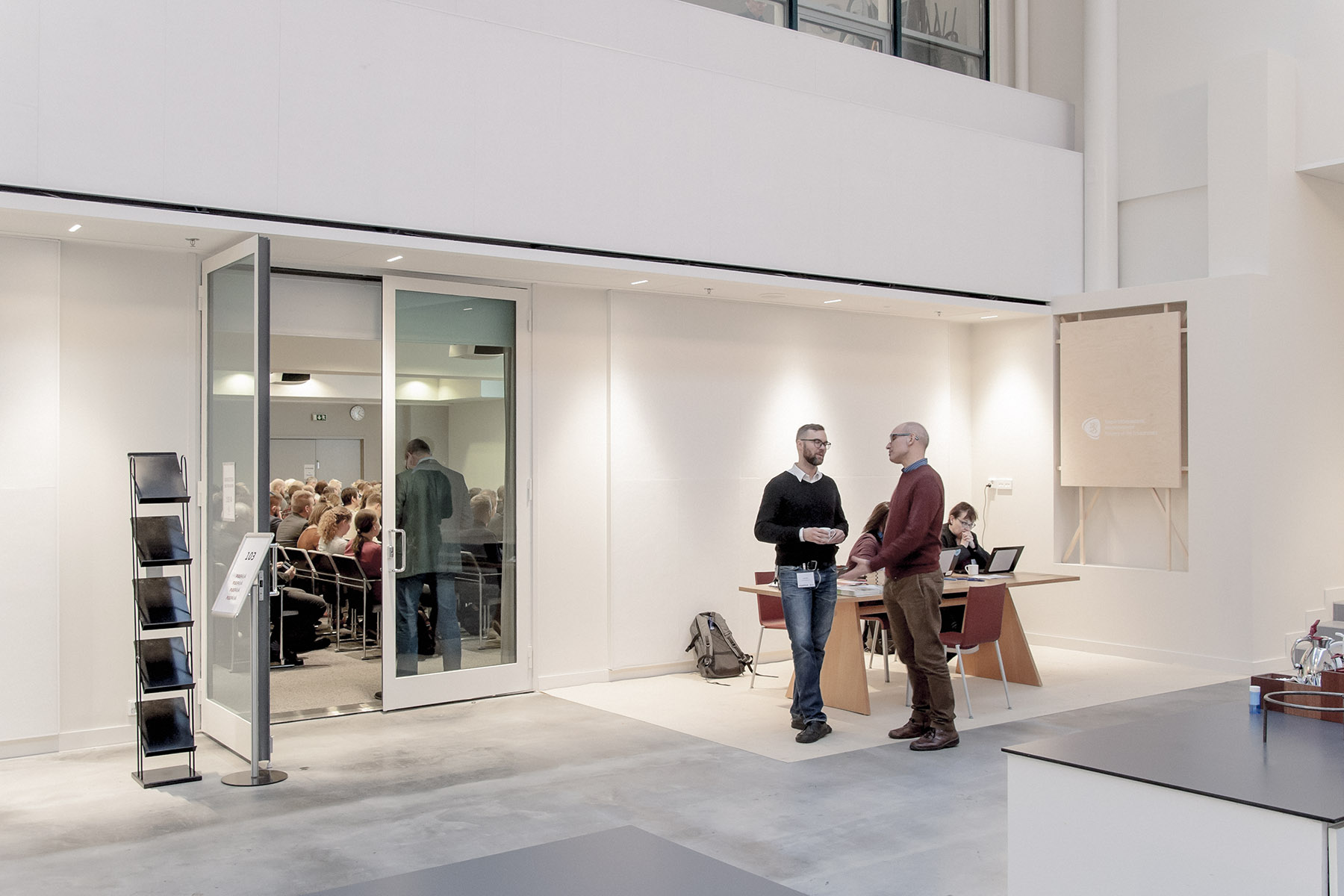
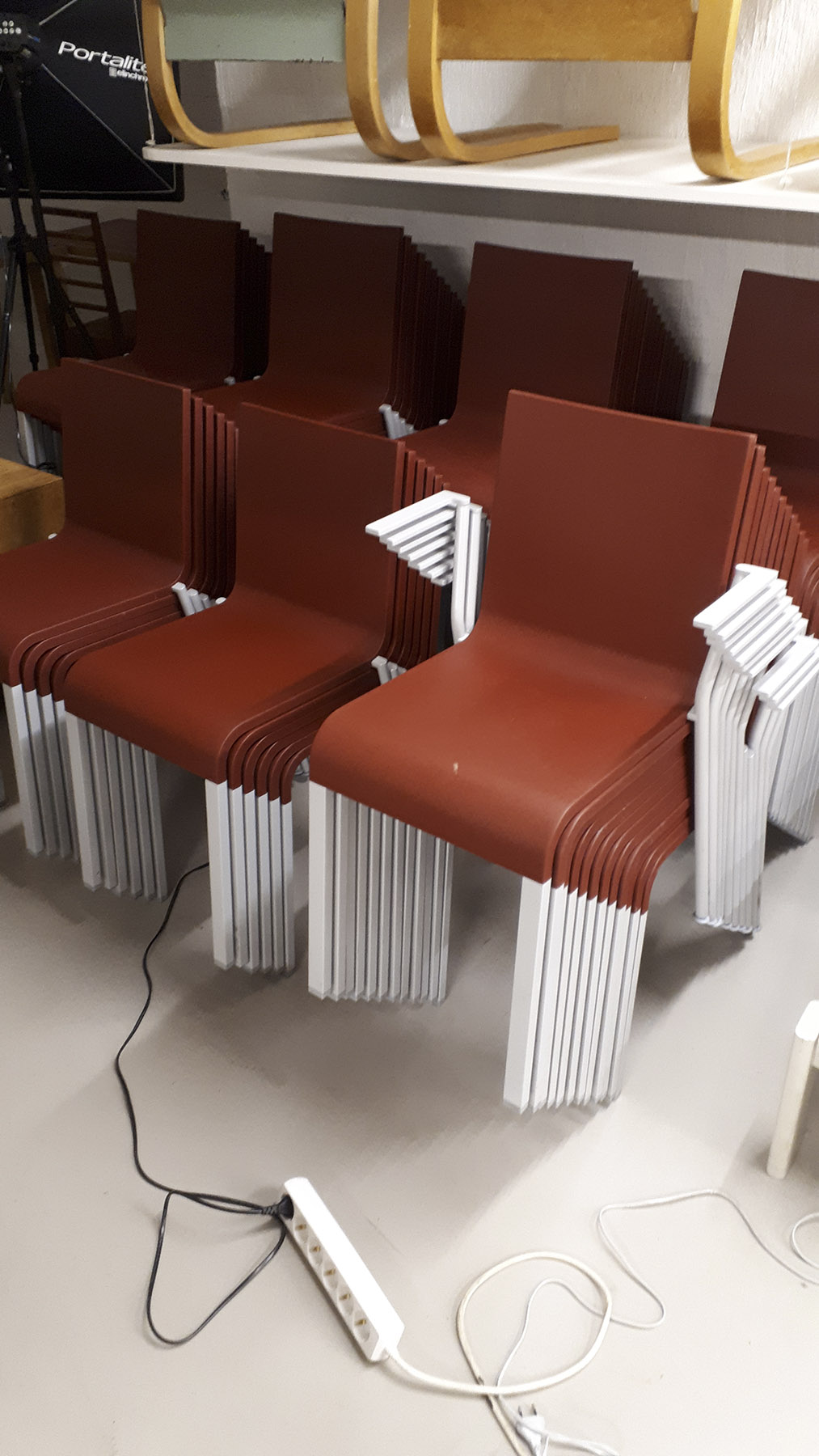
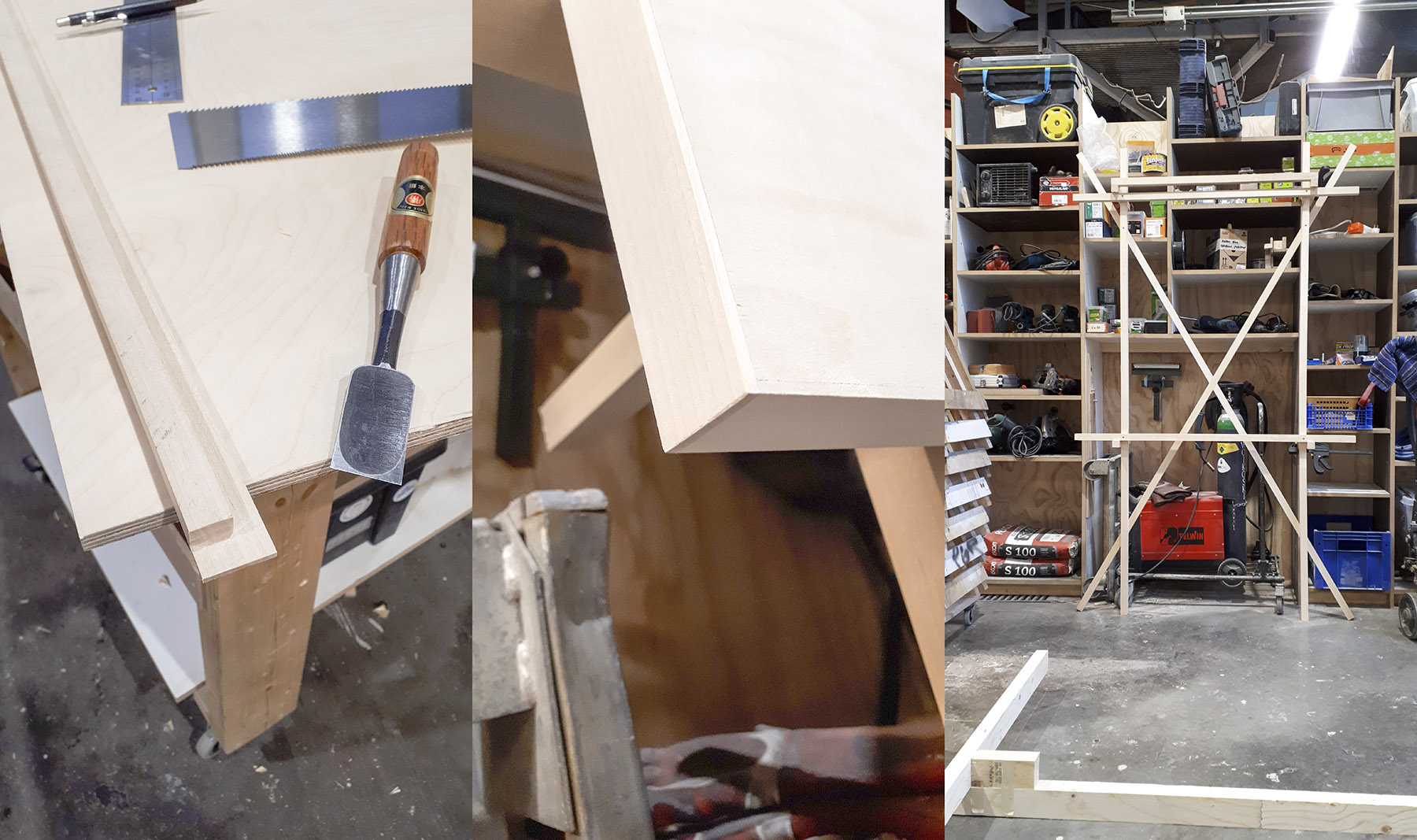
Borrowing-based presentation booth for Finland’s Wood Building Program.
Keeping with the program's micro-footprint ambition, the booth concept built on borrowing and returning as many of the needed elements as possible. Vitra .03 chairs by Maarten van Severen courtesy Artek 2nd Cycle, and Holmas table designed in 2013 by myself graciously provided by its original commissioners, the family Holmas of Espoo.
2018
-
Review Constellations
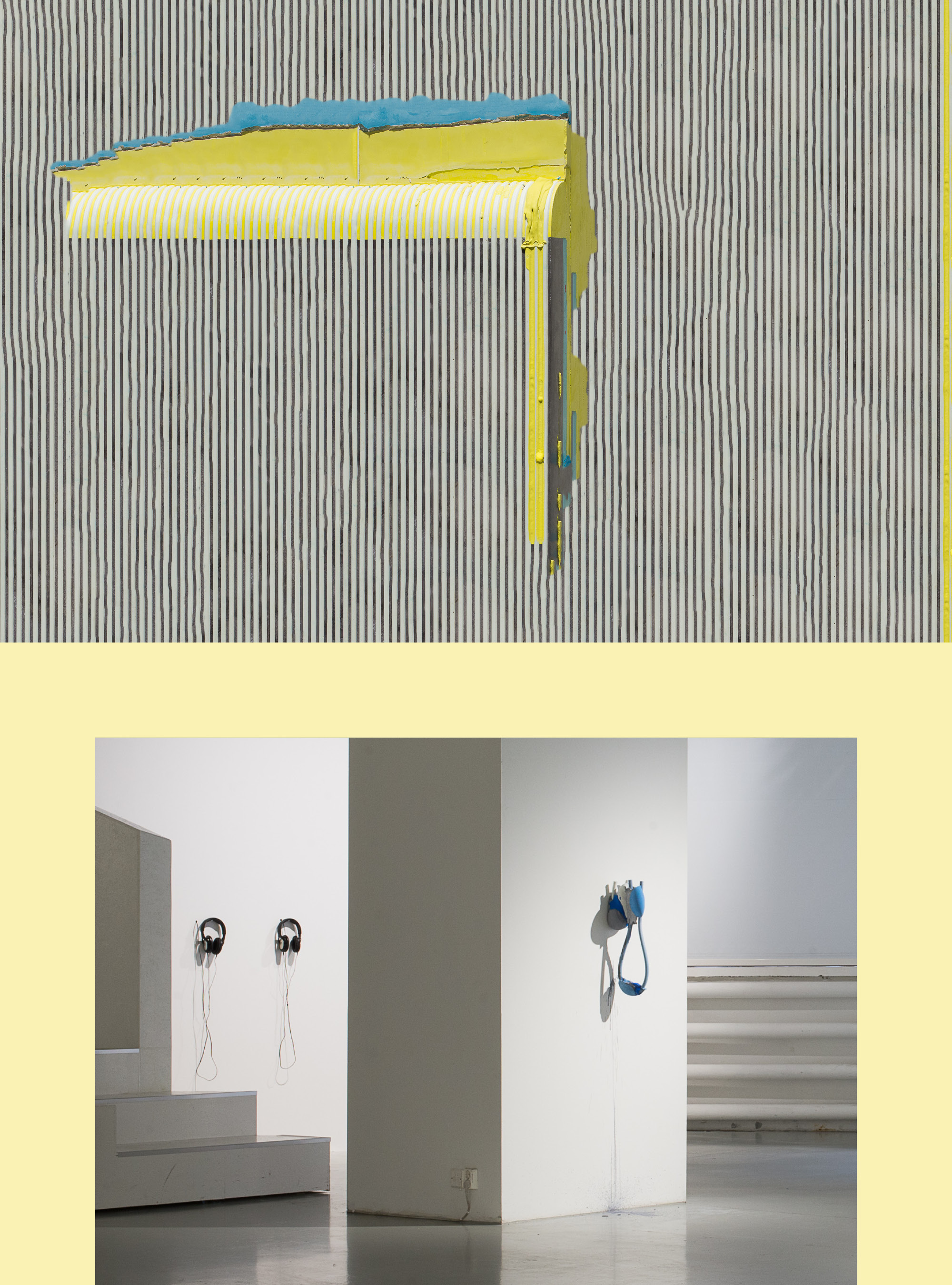
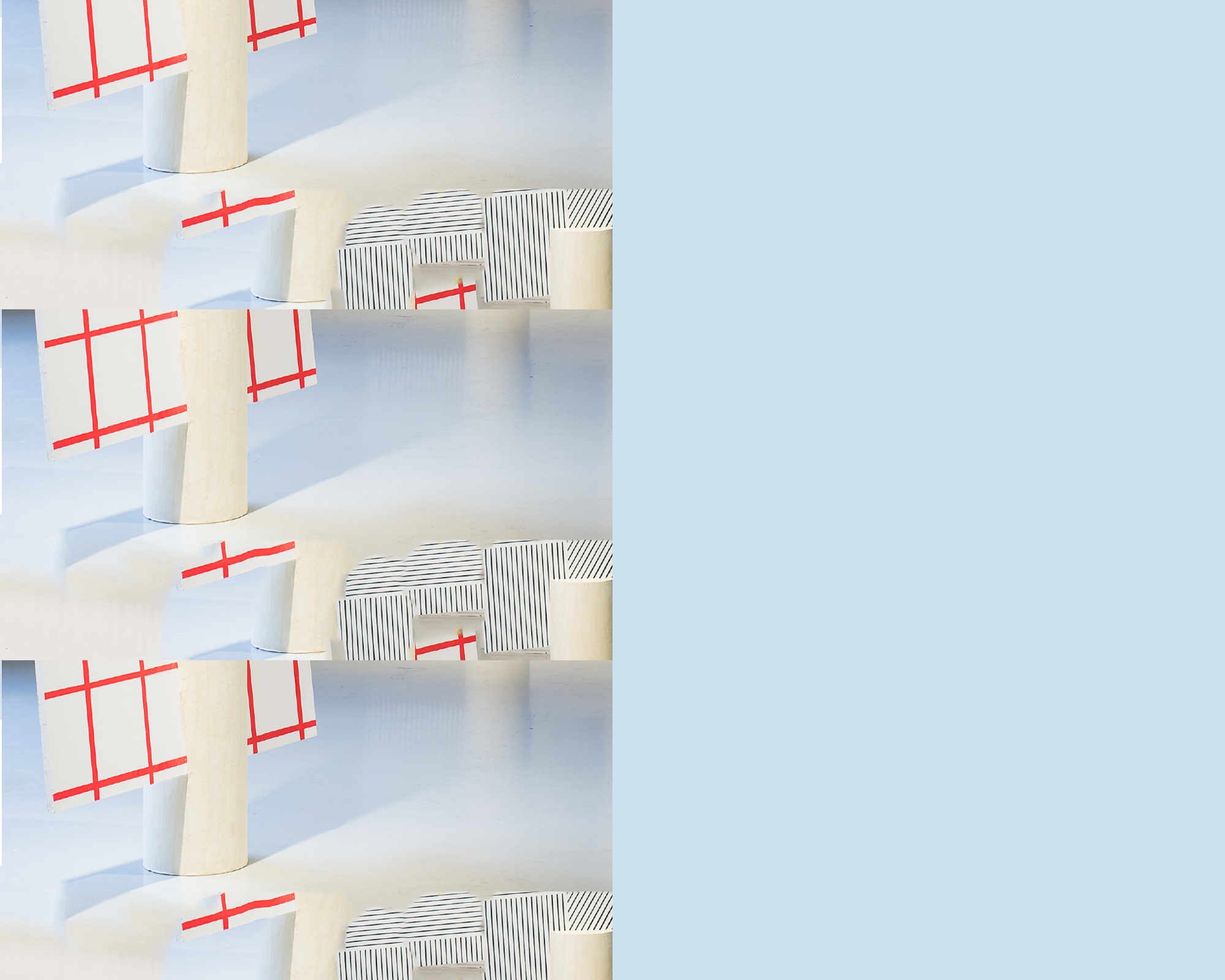
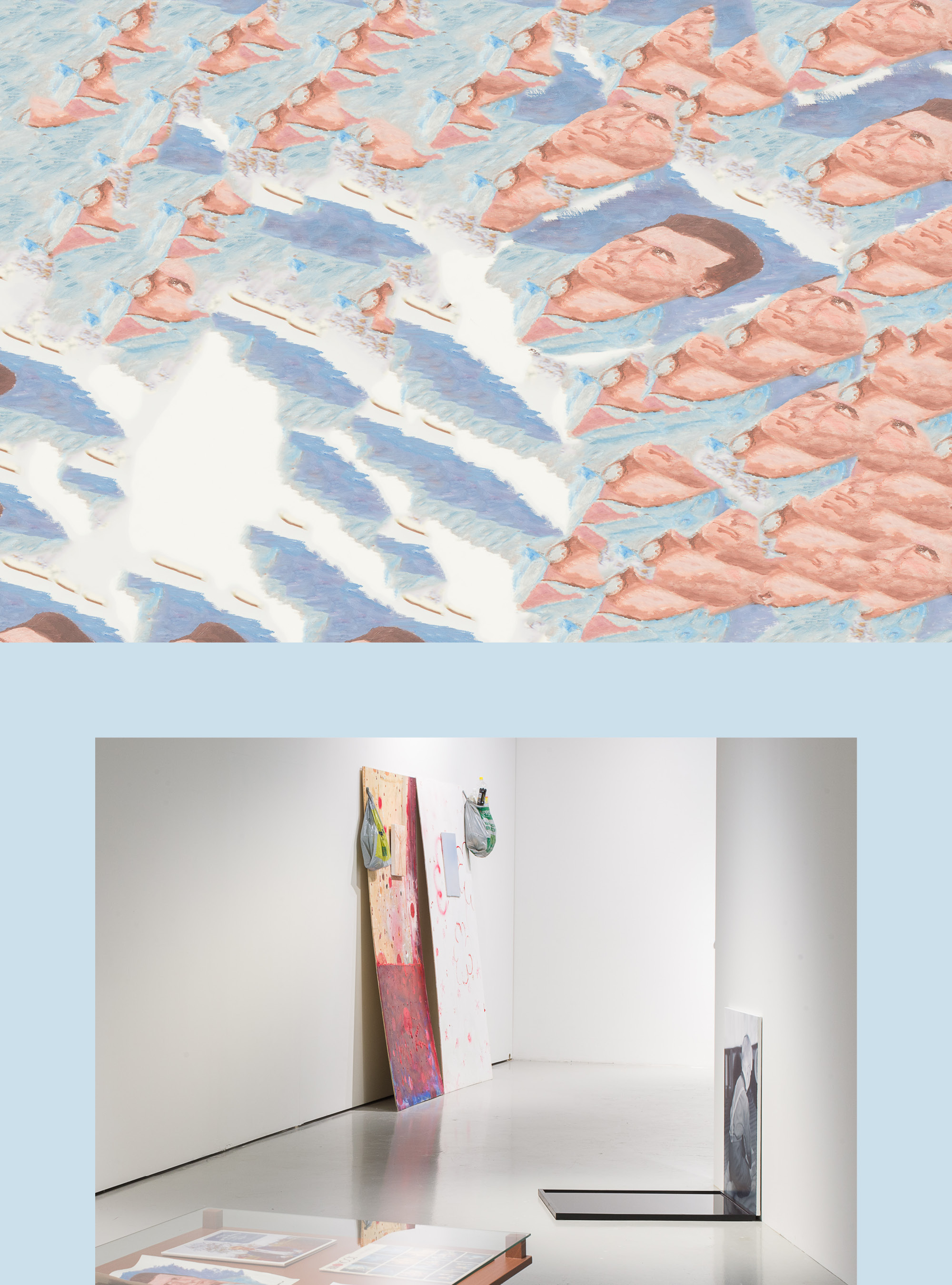
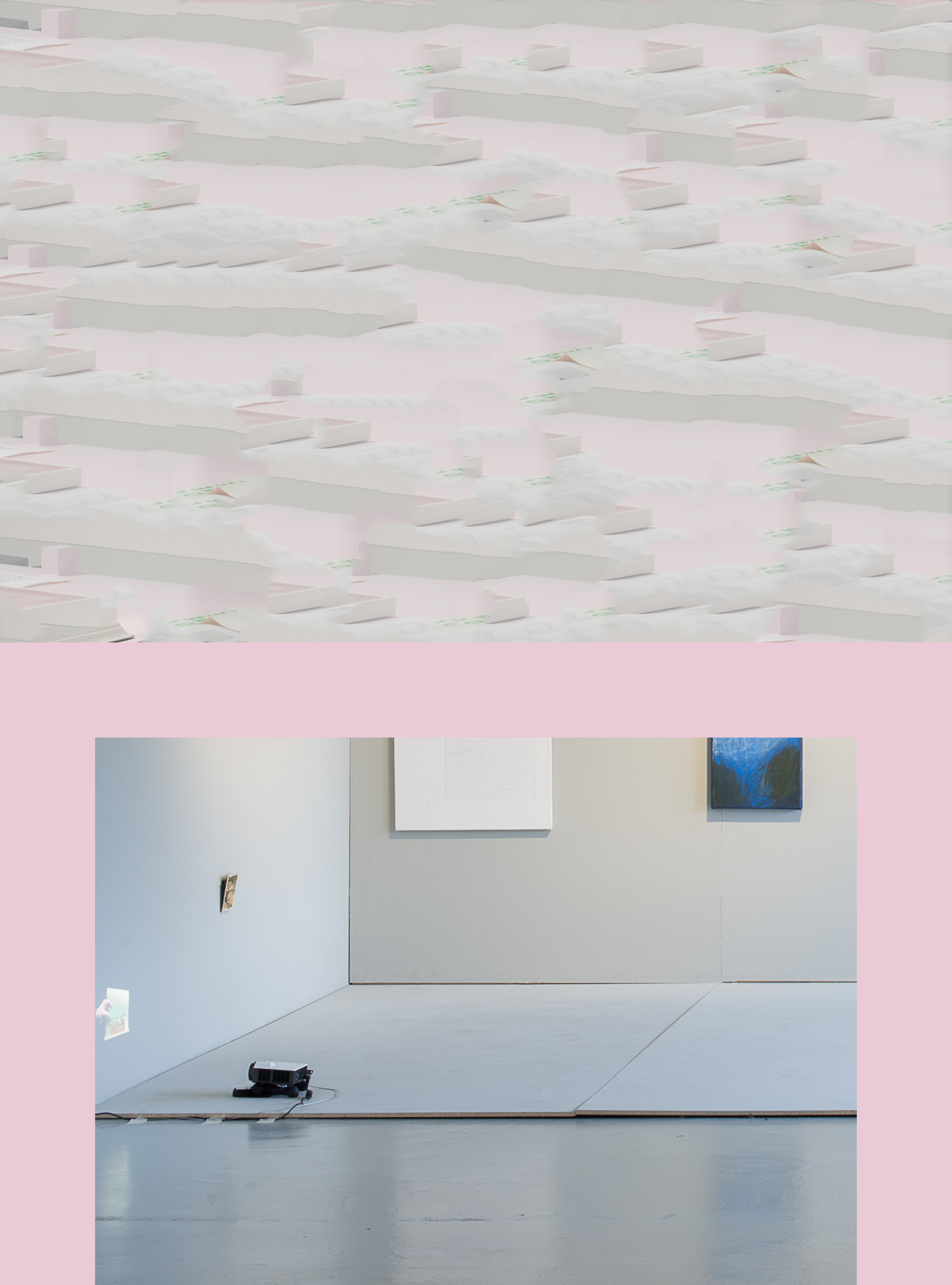
Review of Constellations / Conversations in Light and Dark curated by Fergus Feehily.
2018
- Published in
- Around Journal
- Visuals
- Matts Bjolin
-
Export/import
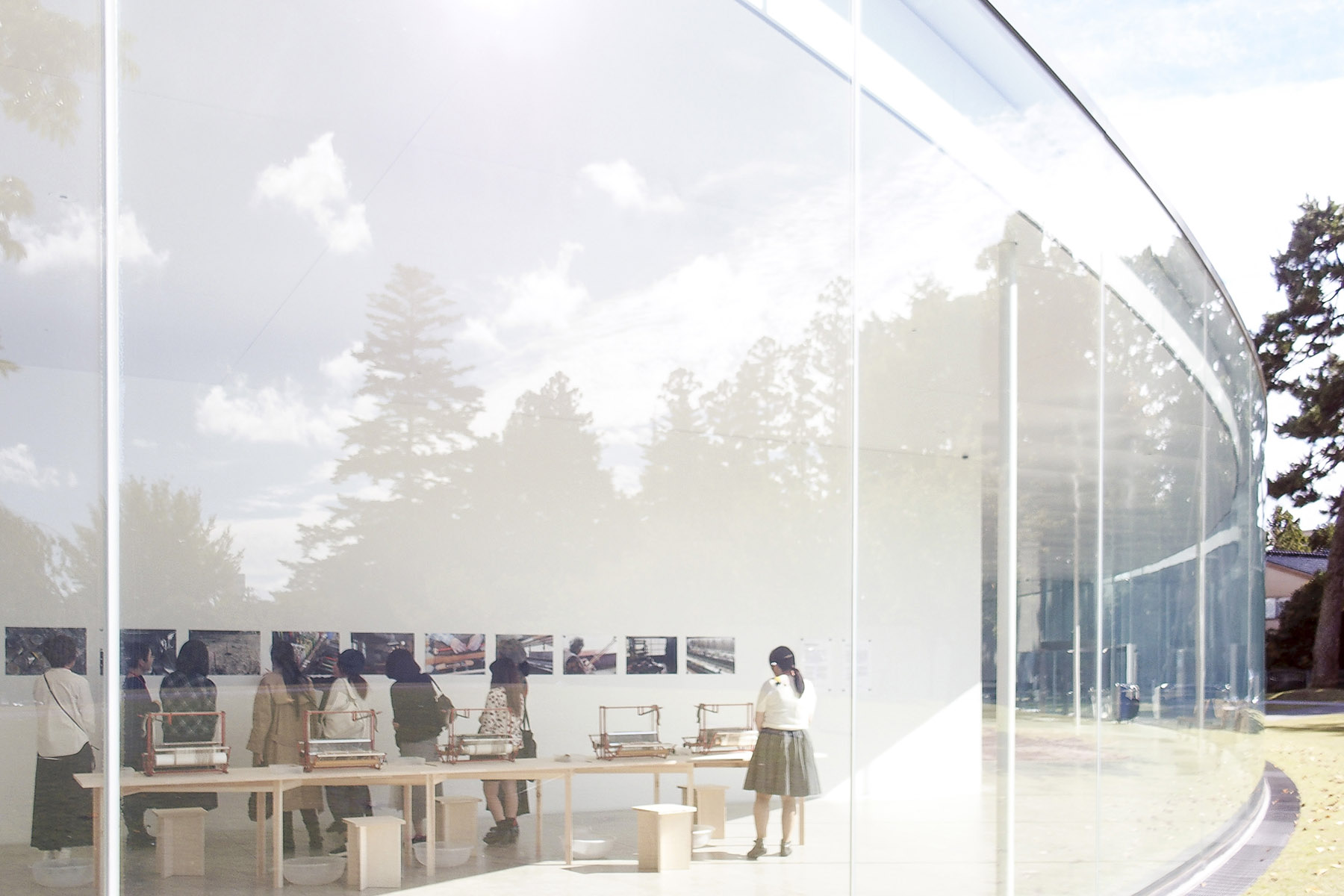
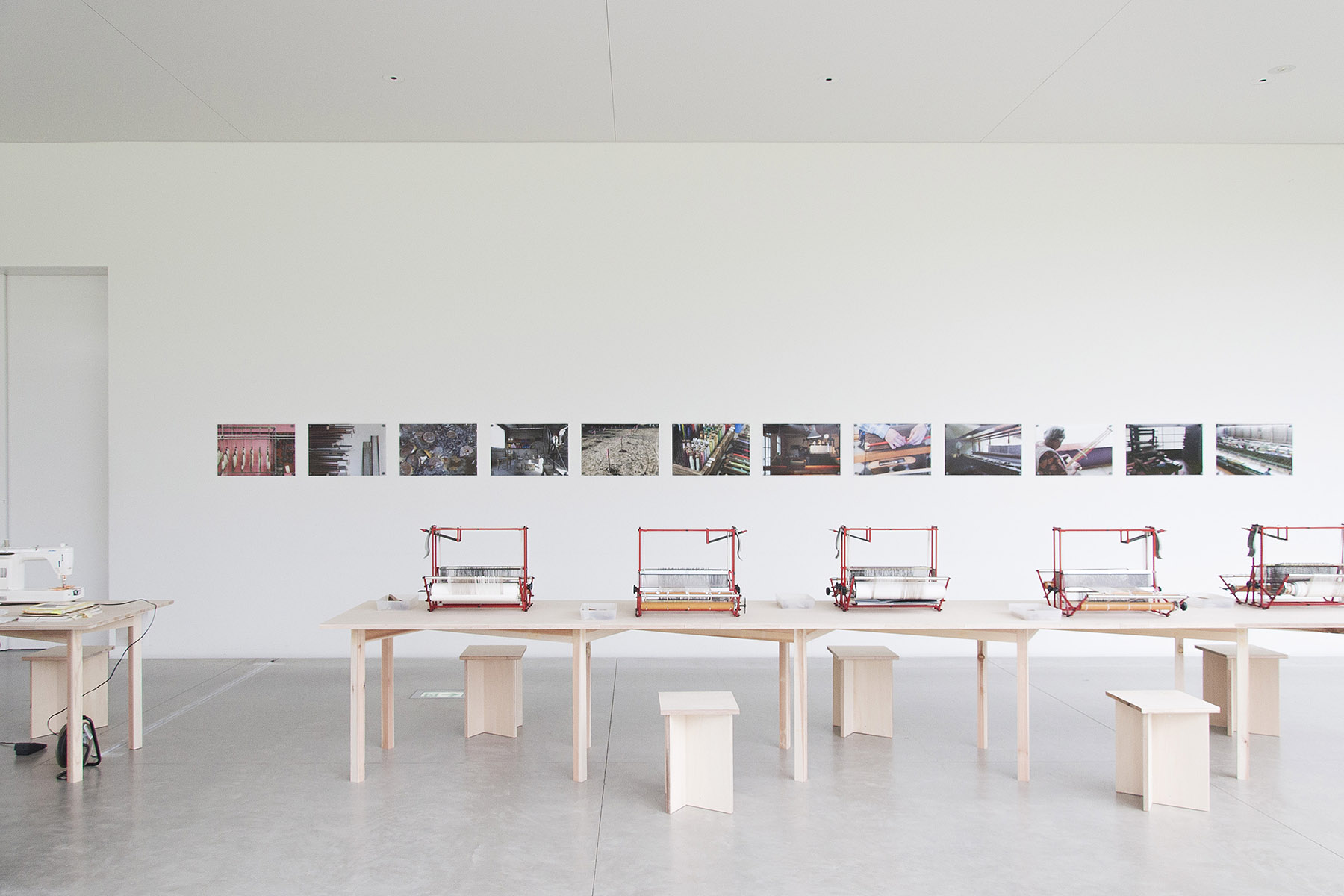
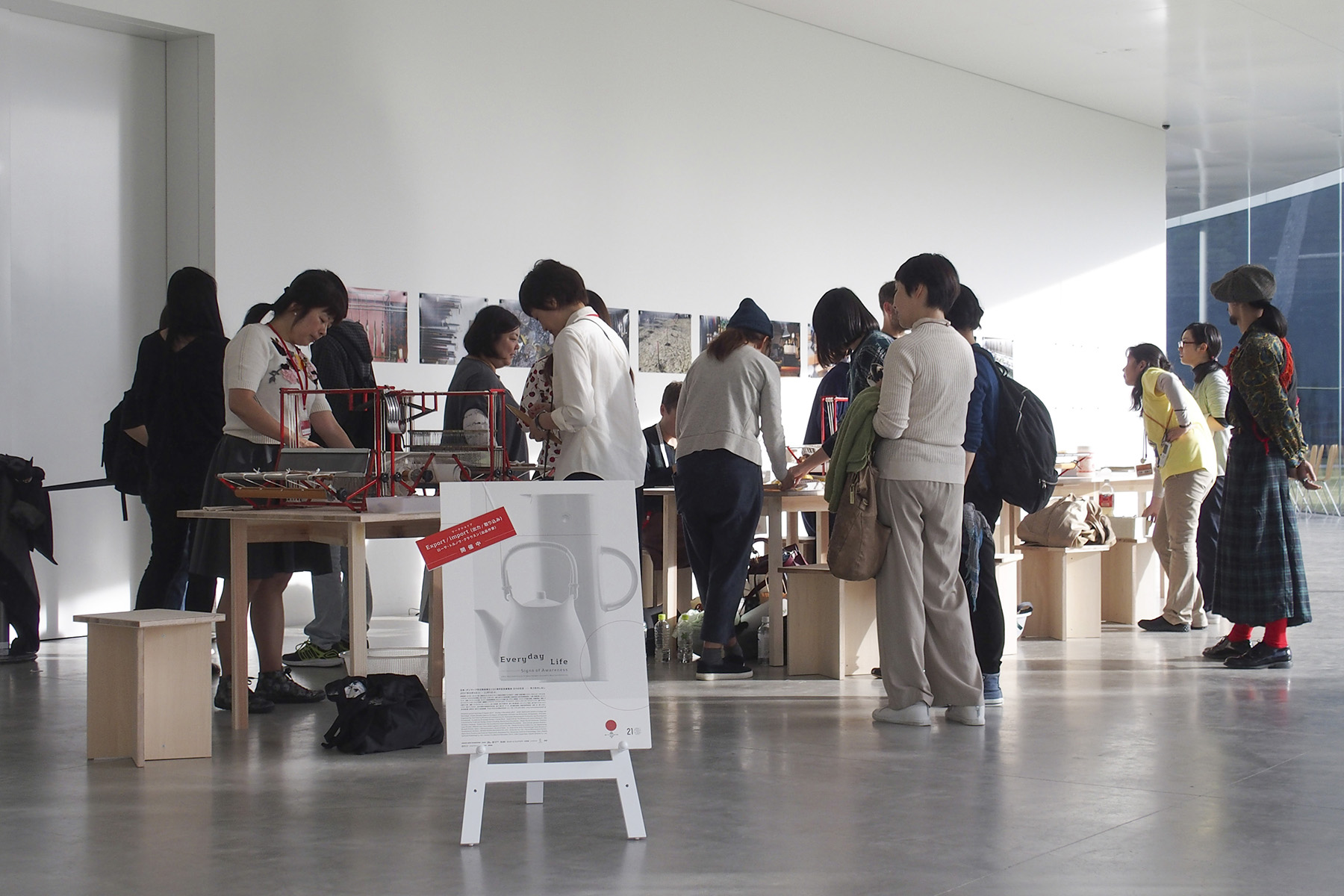
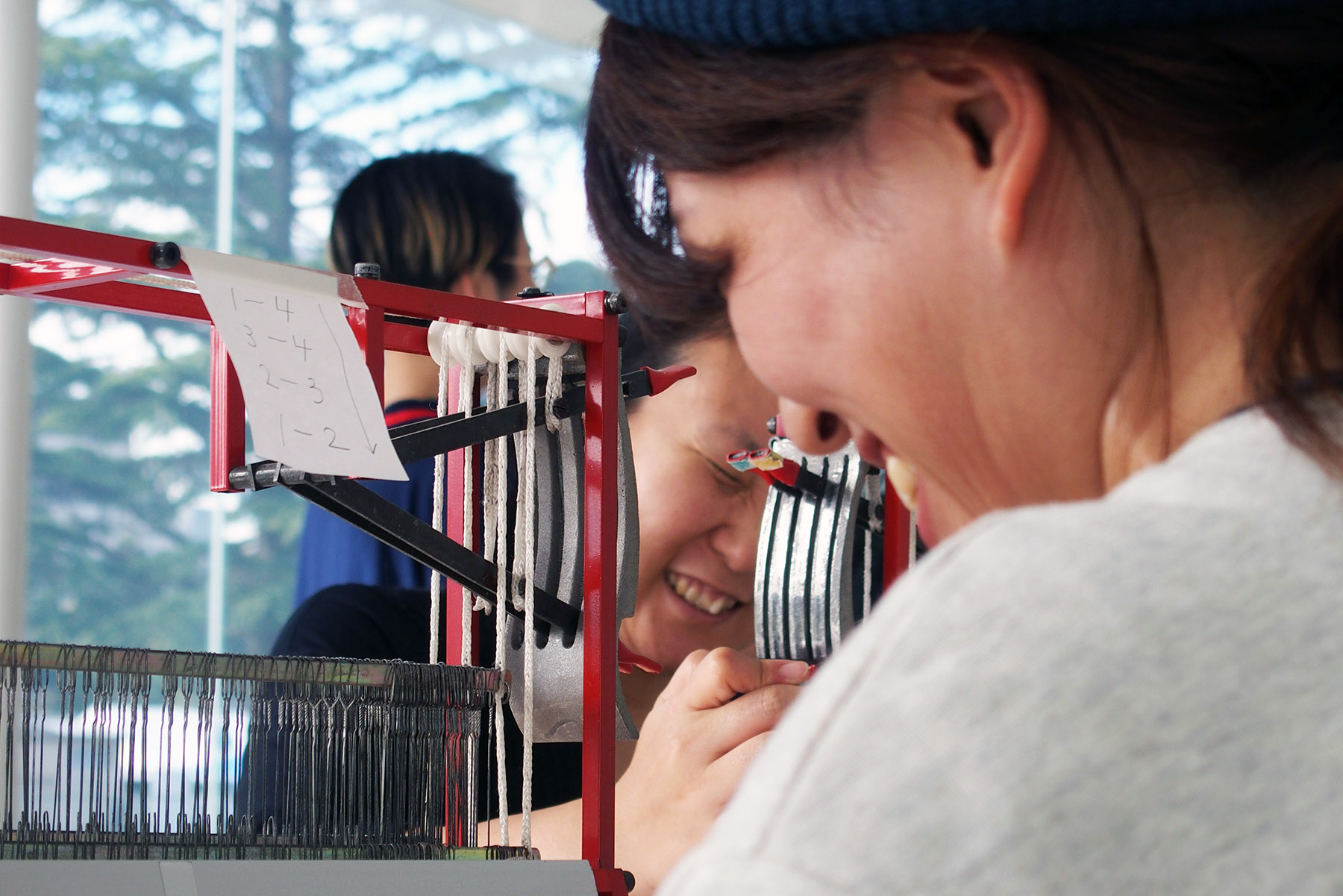
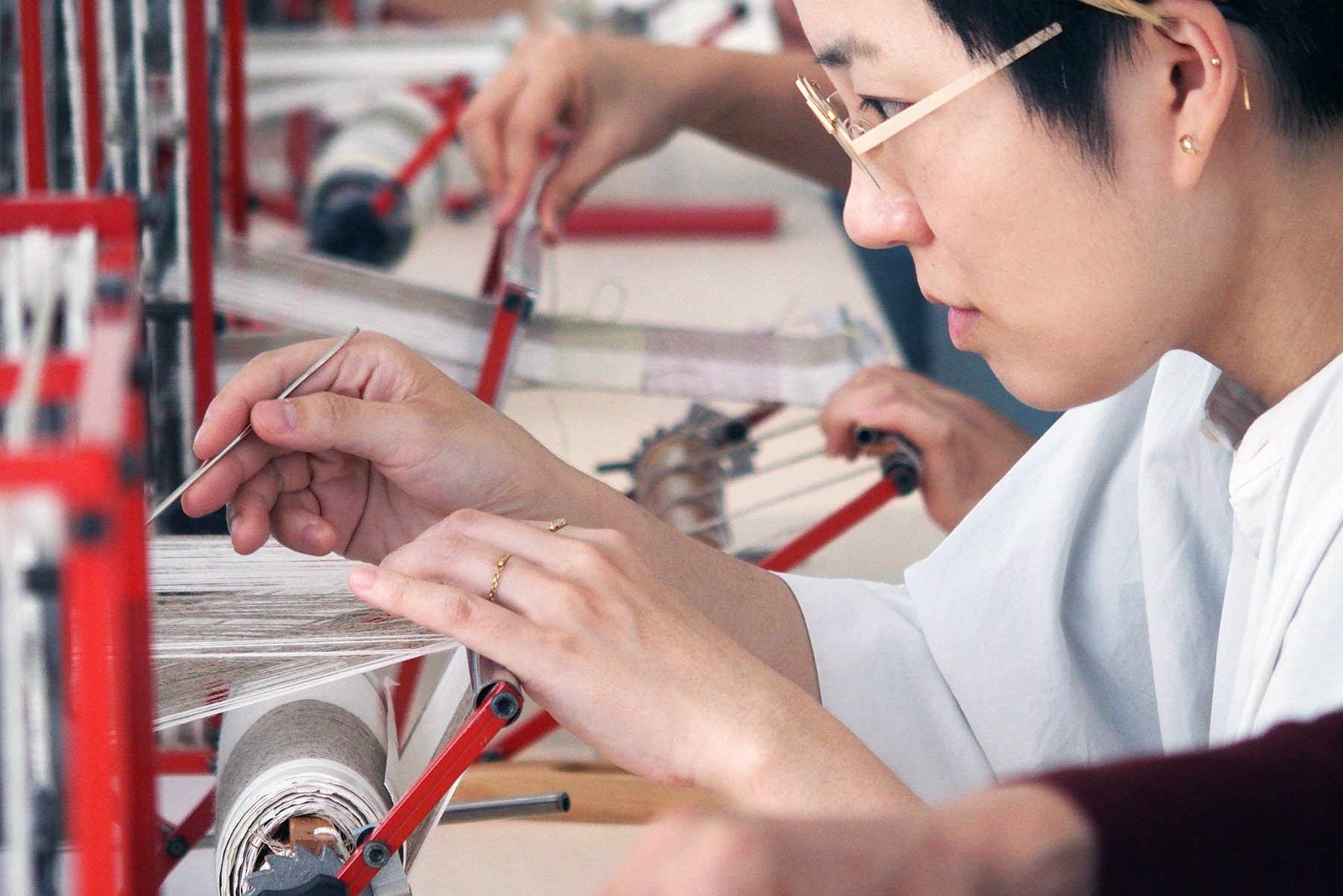
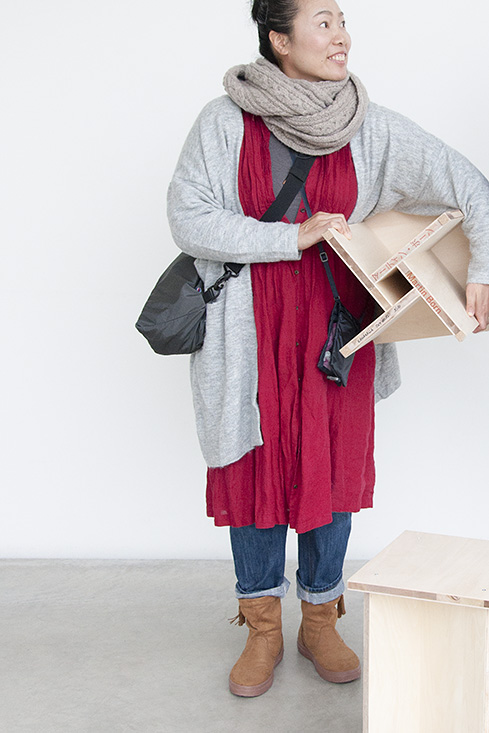
Exhibition design and furniture for Rosa Tolnov Clausen’s workshop Export/import.
2017
- Commissioned by
- Rosa Tolnov Clausen
- Presentation
- 21st Museum of Contemporary Art, Kanazawa
- Material
- Japanese cedar
-
Lehmä pitää viedä jäälle, jotta se tanssii
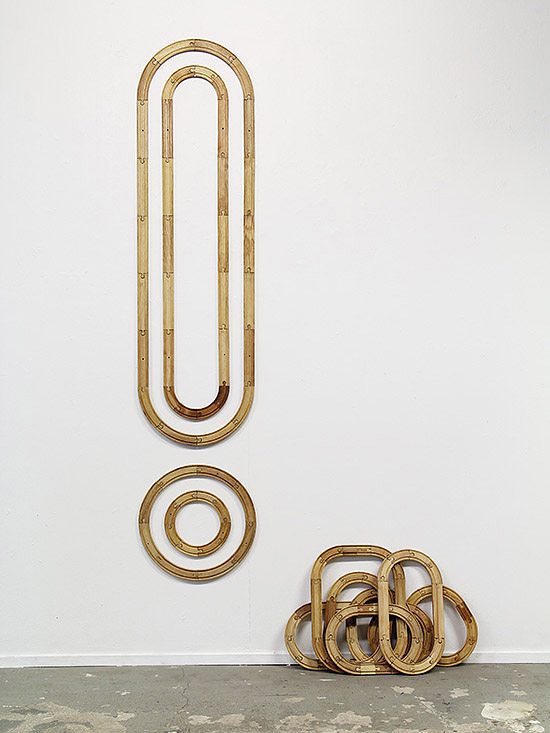
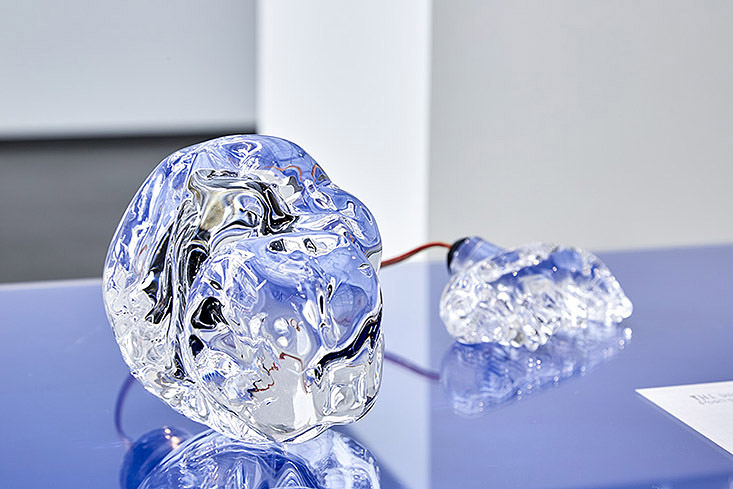
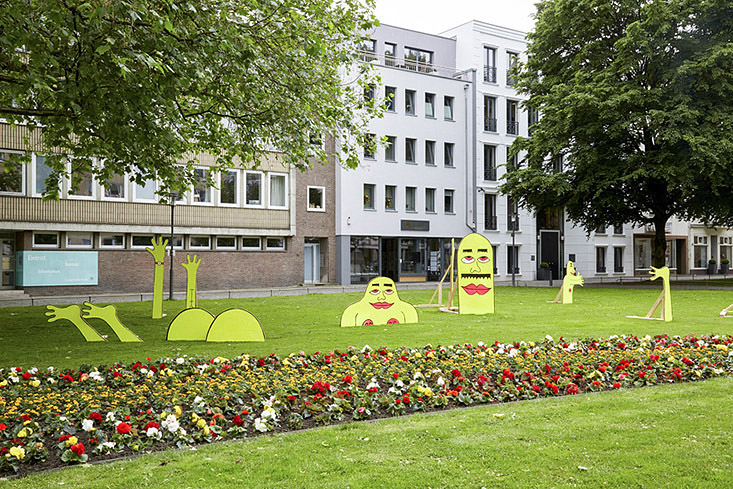
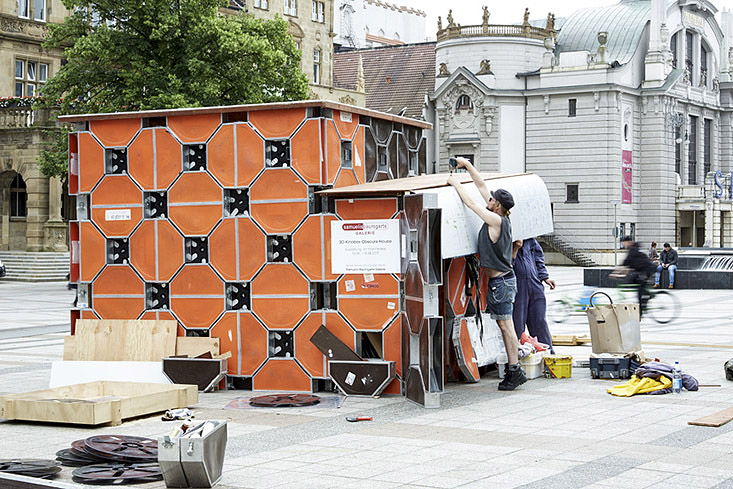
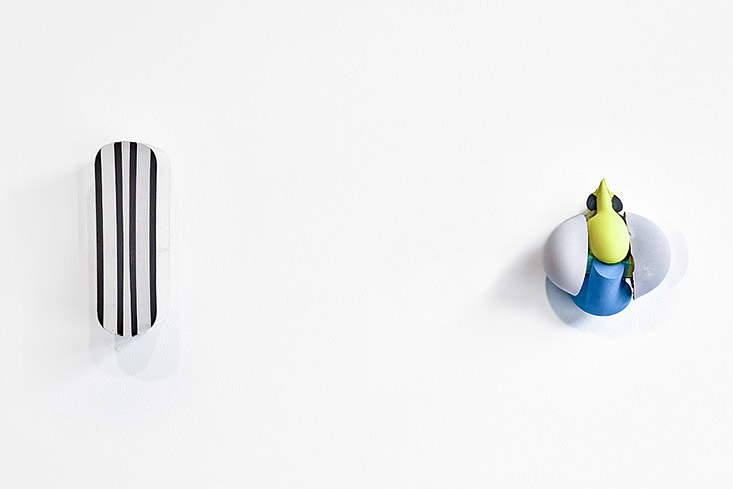
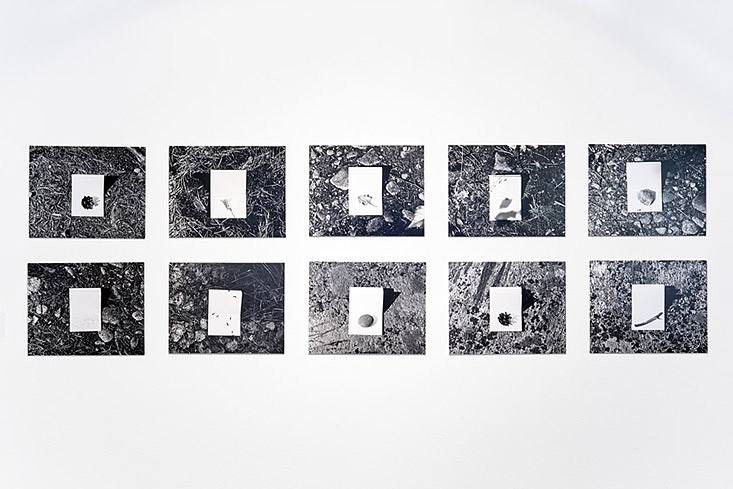
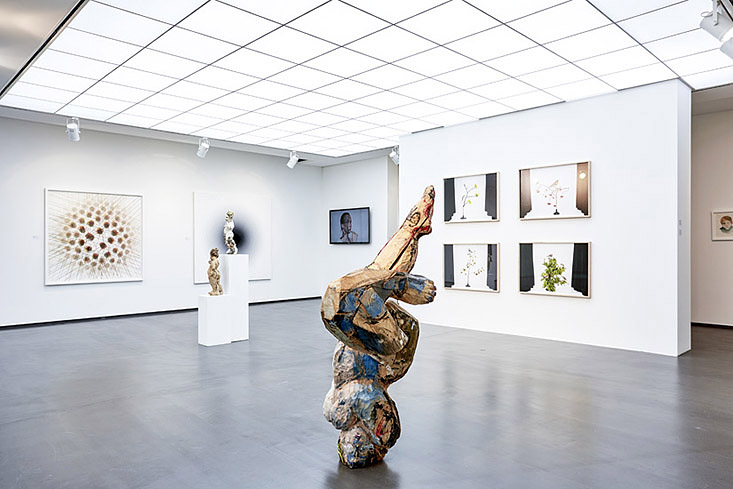
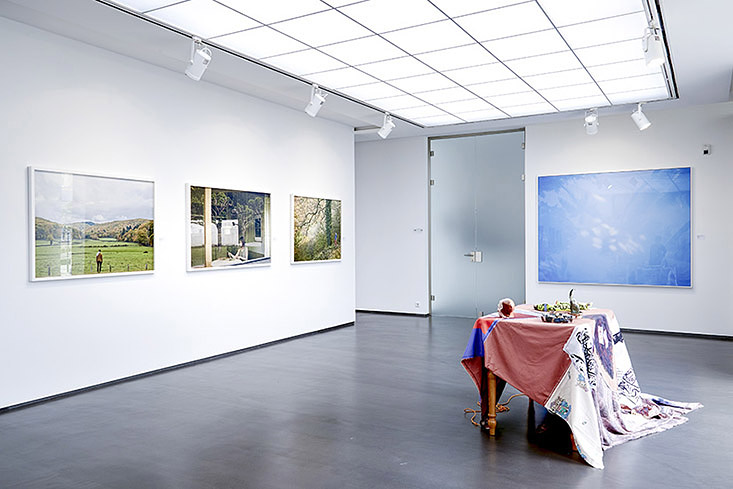
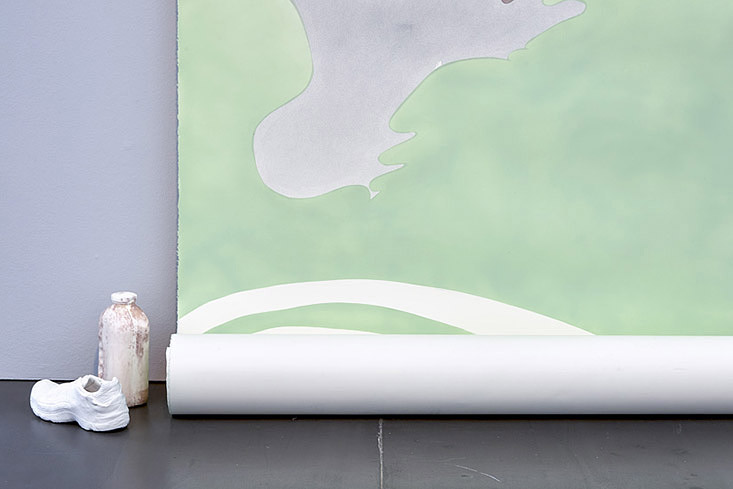
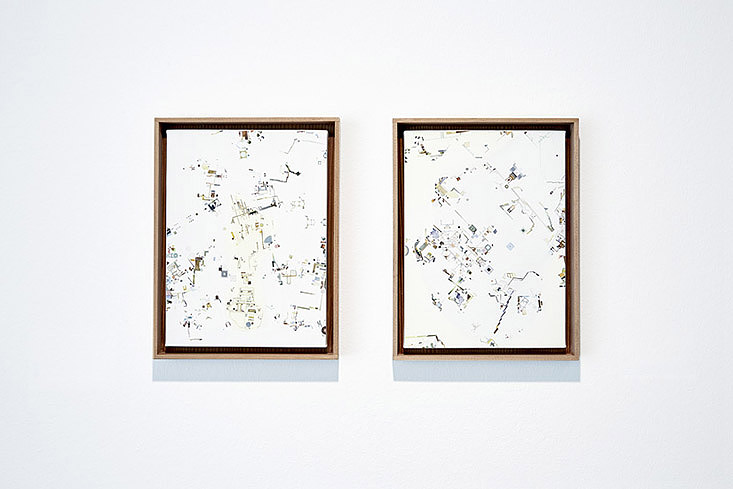
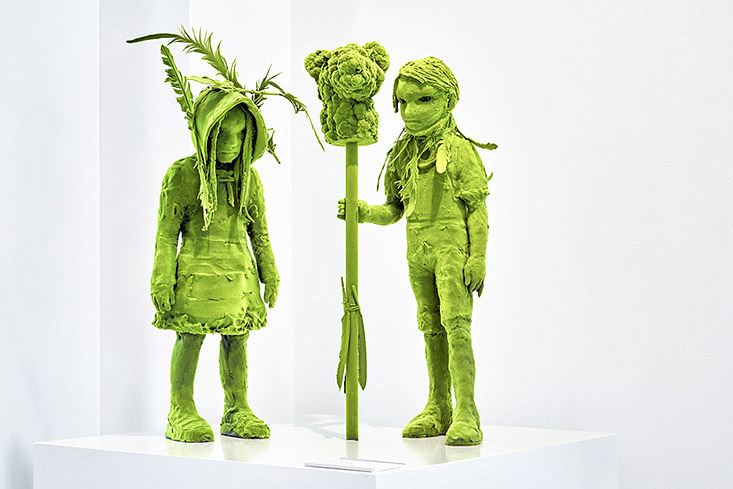
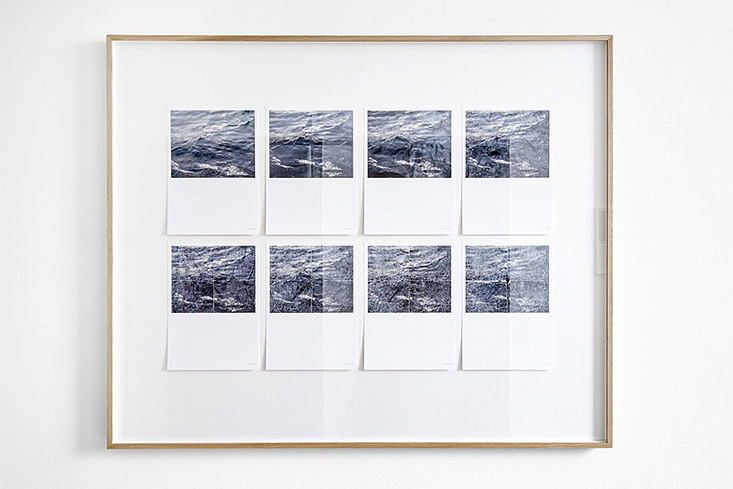

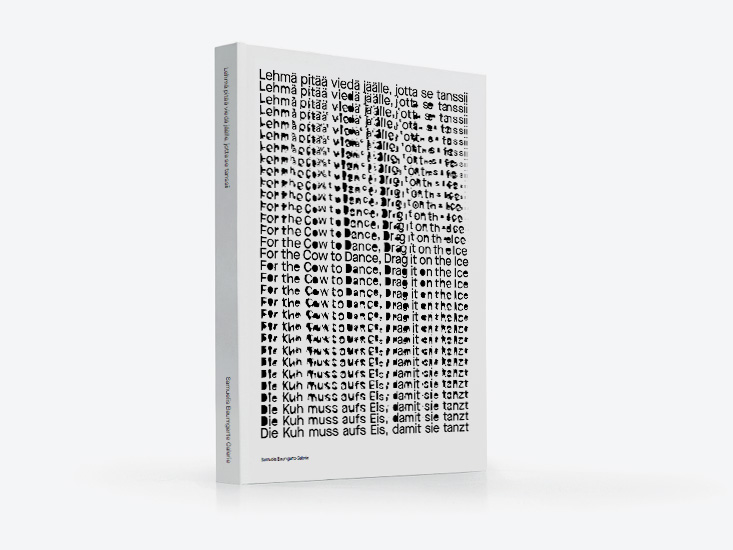
An exhibition of four decades of art in Finland. Catalog foreword.
2017
- Commissioned by
- Samuelis Baumgarte Galerie
- With
- Ville Andersson
- Lauri Anttila
- Elina Brotherus
- Kari Cavén
- Anna Estarriola
- Grönlund Nisunen
- Tiina Heiska
- Hannaleena Heiska
- Emma Helle
- Joseph James
- Pekka Jylhä
- Sanna Kannisto
- Shoji Kato
- Teemu Keisteri
- Kaisu Koivisto
- Tuomas A. Laitinen
- Maija Luutonen
- Jarmo Mäkilä
- Jaakko Mattila
- Jaakko Pallasvuo
- Vesa-Pekka Rannikko
- Aurora Reinhard
- Heli Rekula
- Mikko Rikala
- Heli Ryhänen
- Hanna Saarikoski
- Kim Simonsson
- Pilvi Takala
- Elina Vainio
- Timo Wright
- 3D Kinobox Obscura
- Catalog
- Tsto
-
Helsinki New Pop-Up Beijing
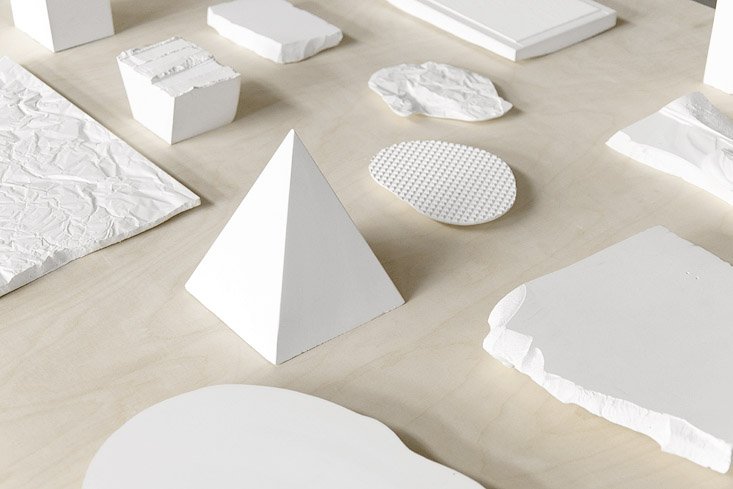
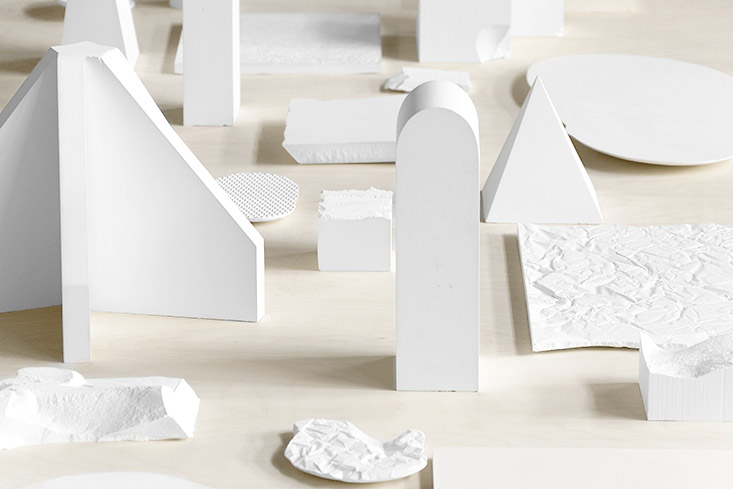
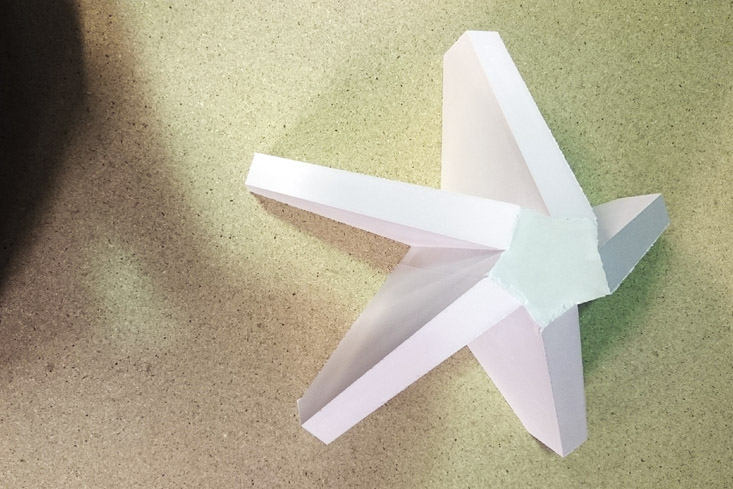
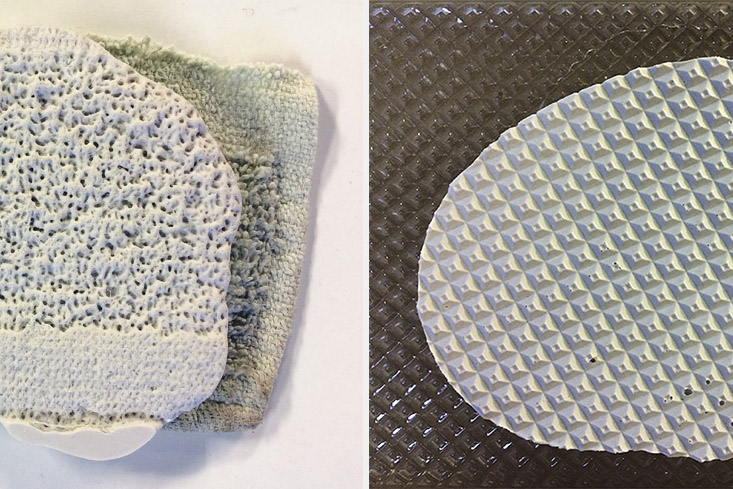
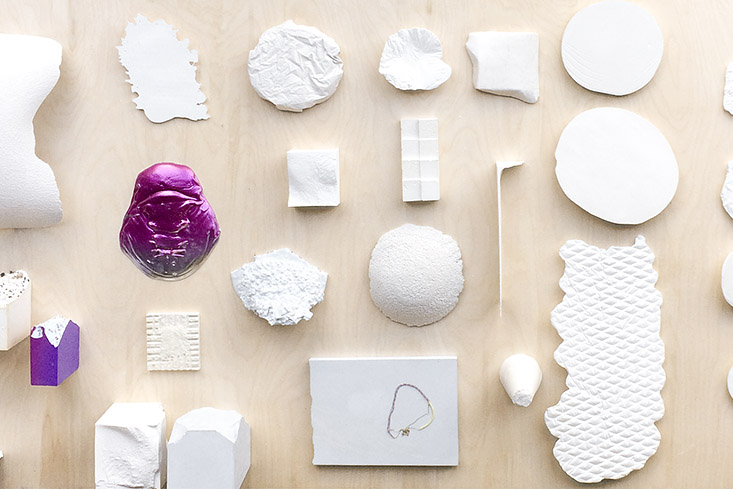
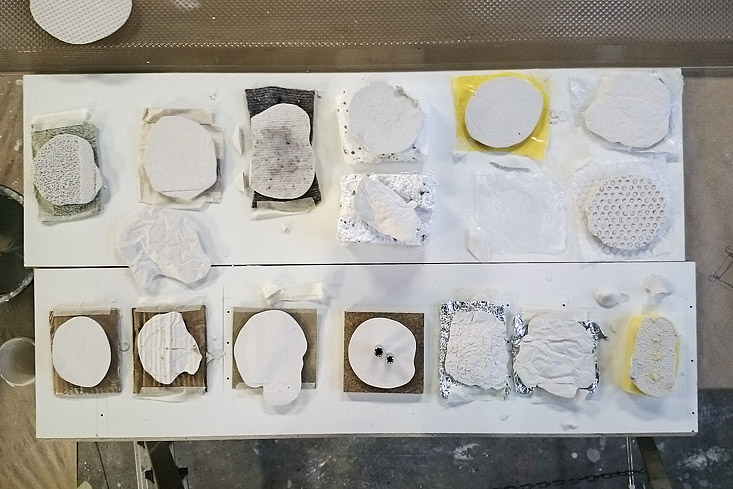
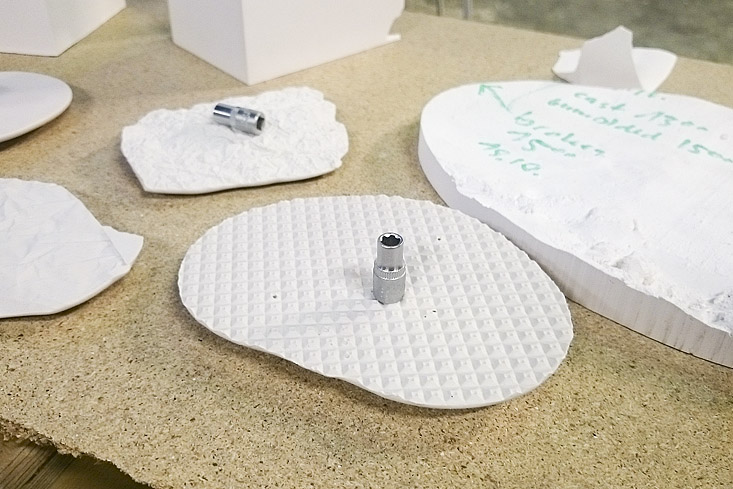
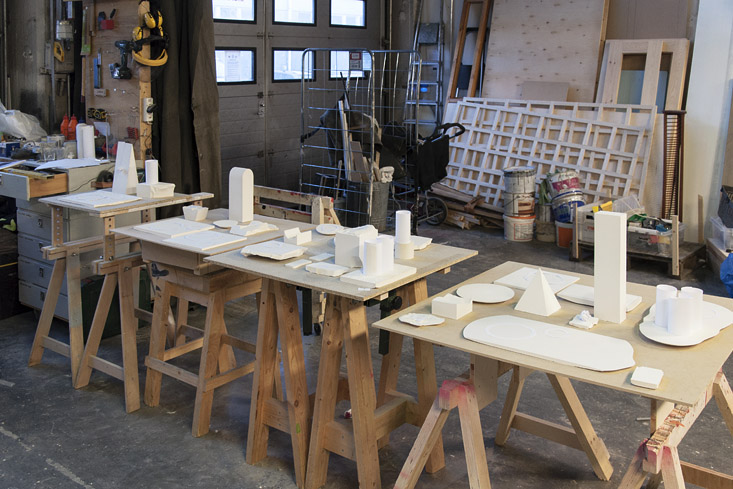
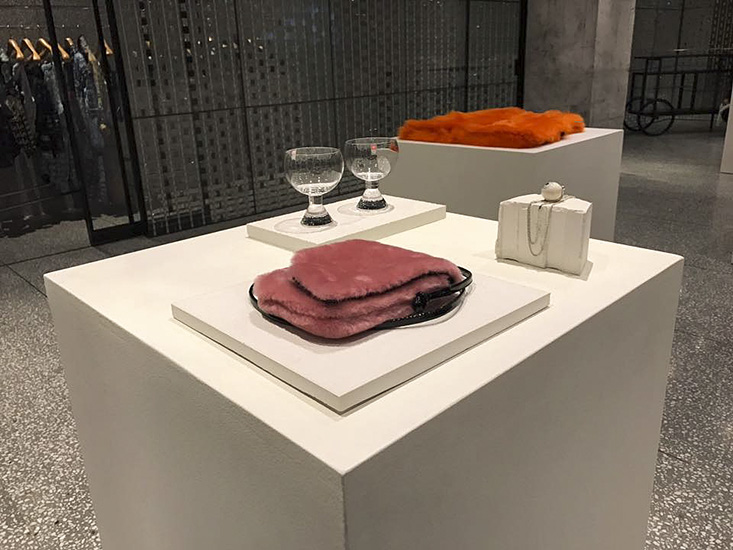
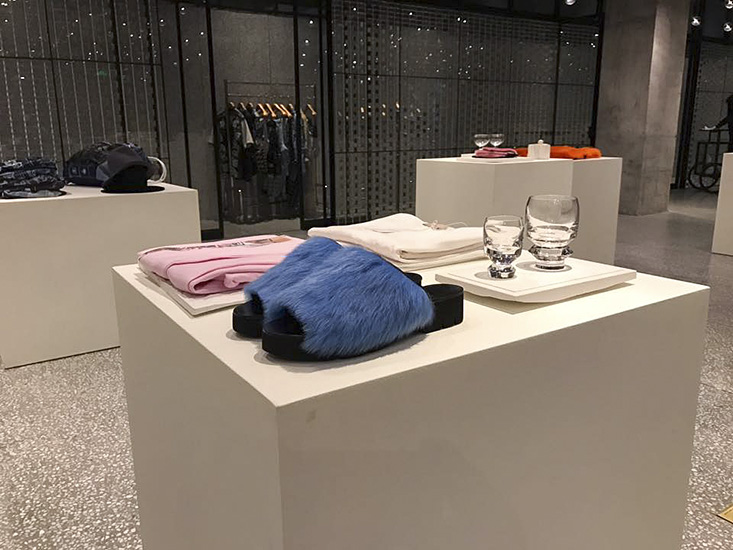
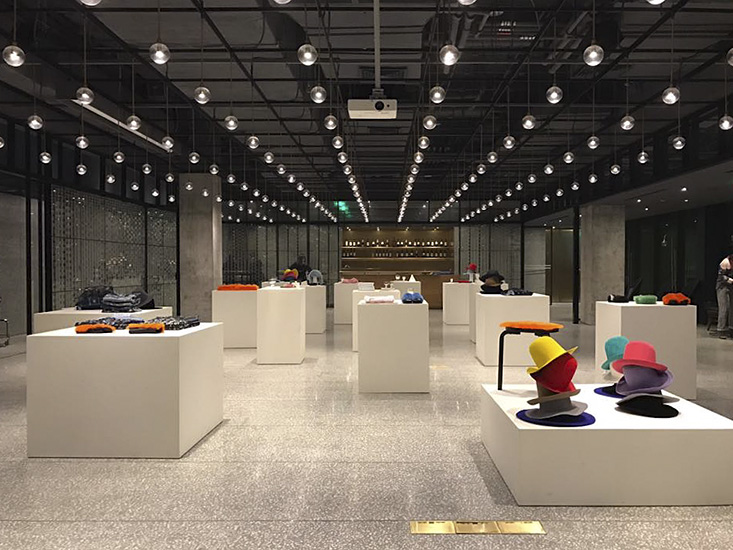
Presenters for an exhibition of Finnish fashion and jewelery design.
2016
- Client
- Juni
- Helsinki New
- Presentation
- Opposite House
- Assistance
- Ivan Segato
- Material
- Plaster
-
Technologies as Cultures
Essay on technical culture in We are Wanderful: 25 Years of Design & Fashion in Limburg edited by Pablo Hannon, Christophe de Schauvre and Heleen Van Loon.
2016
- Commissioned by
- Cultuurplatform Limburg
- Published by
- Lannoo
- Meritulli Table
-
Kuva Trestles
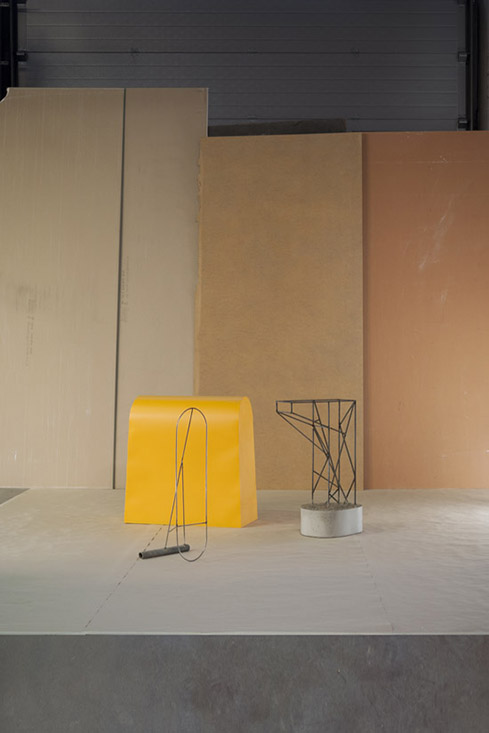
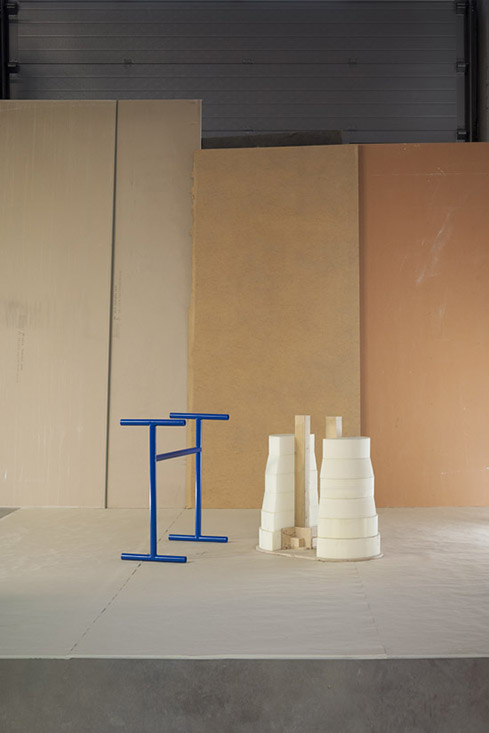
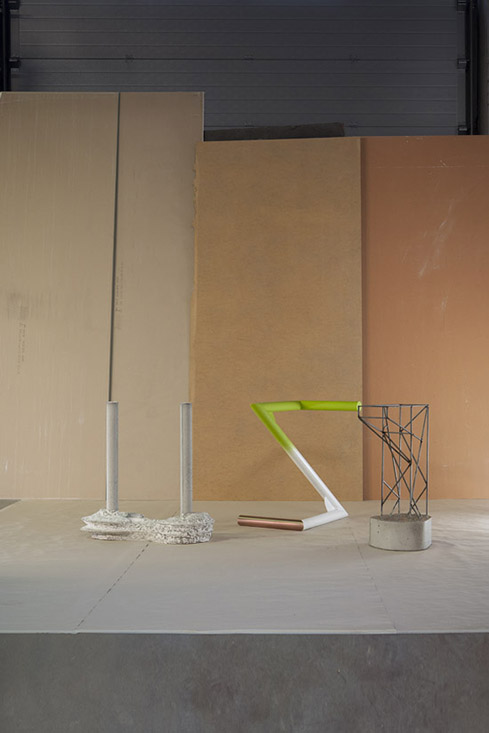
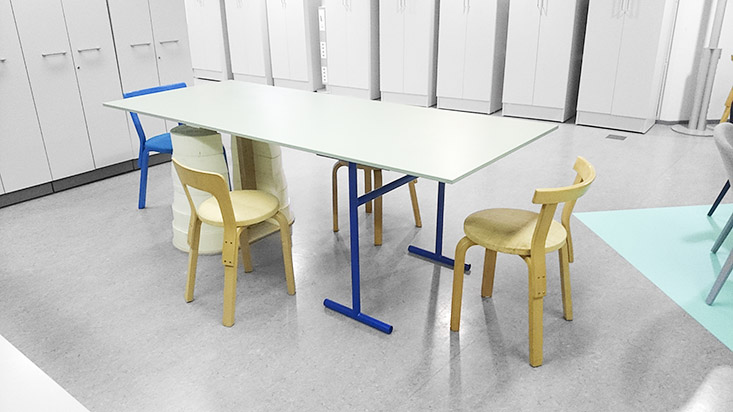
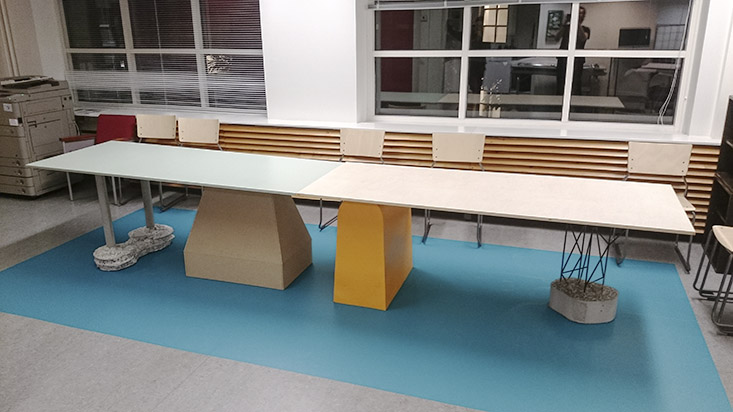
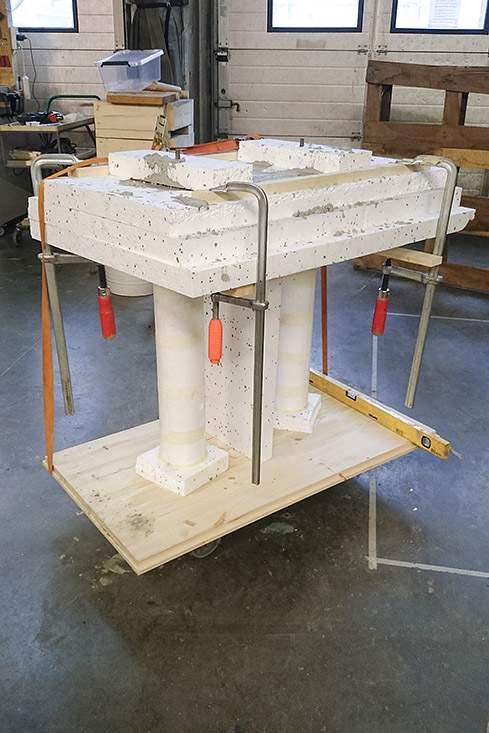
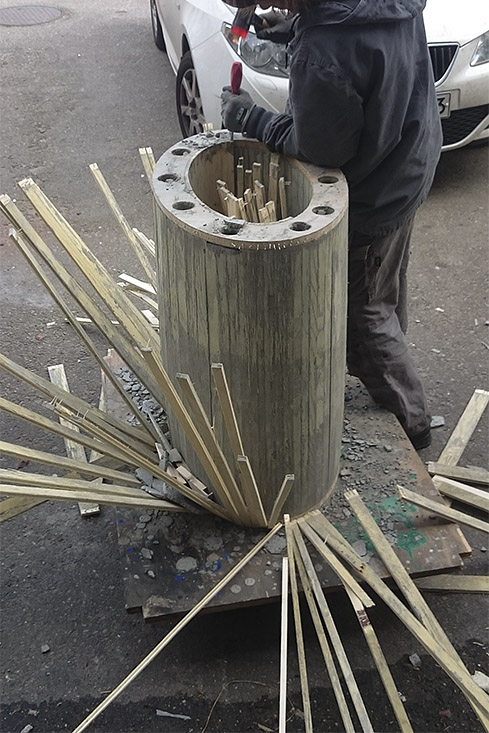
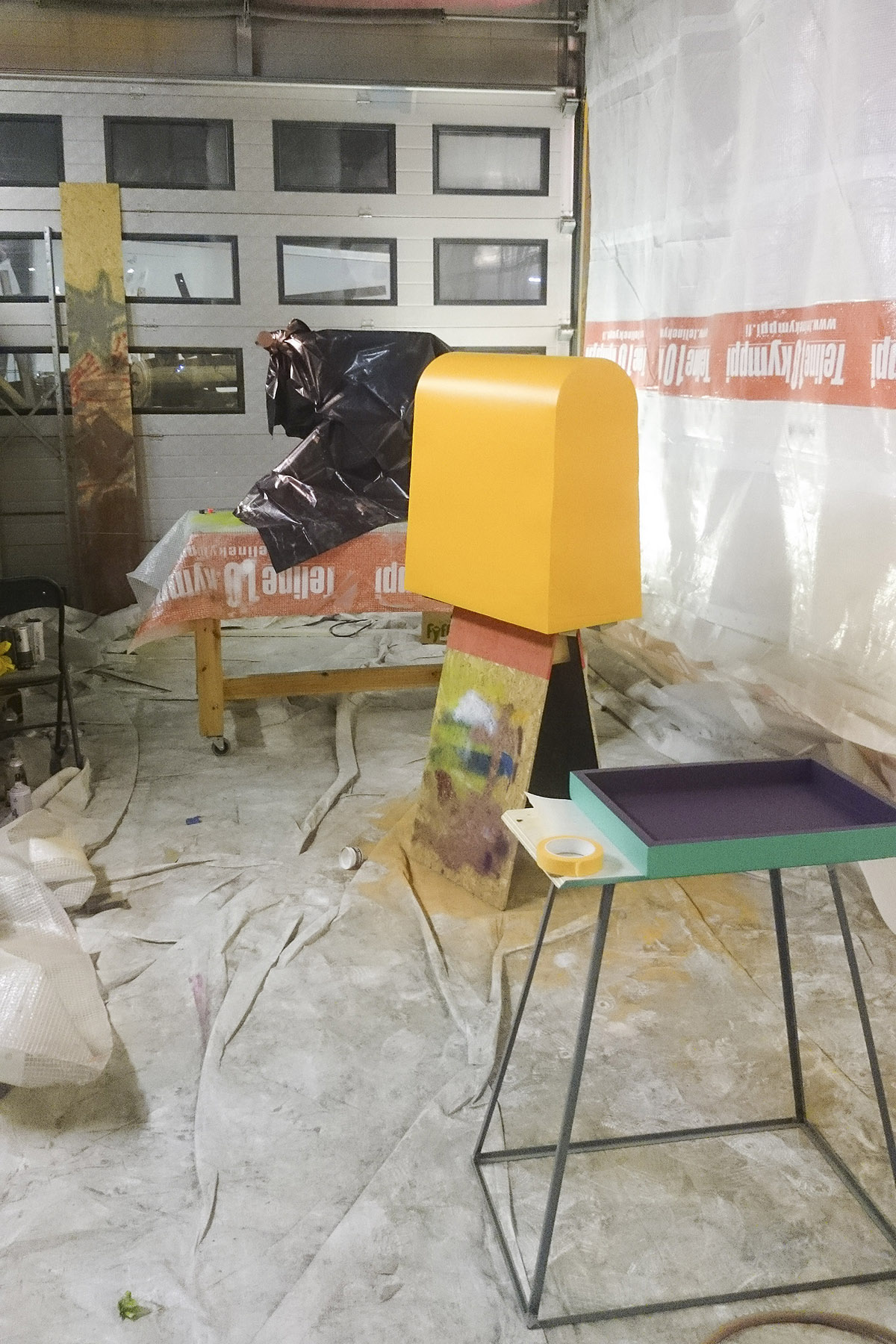
Trestles for the University of the Arts Helsinki.
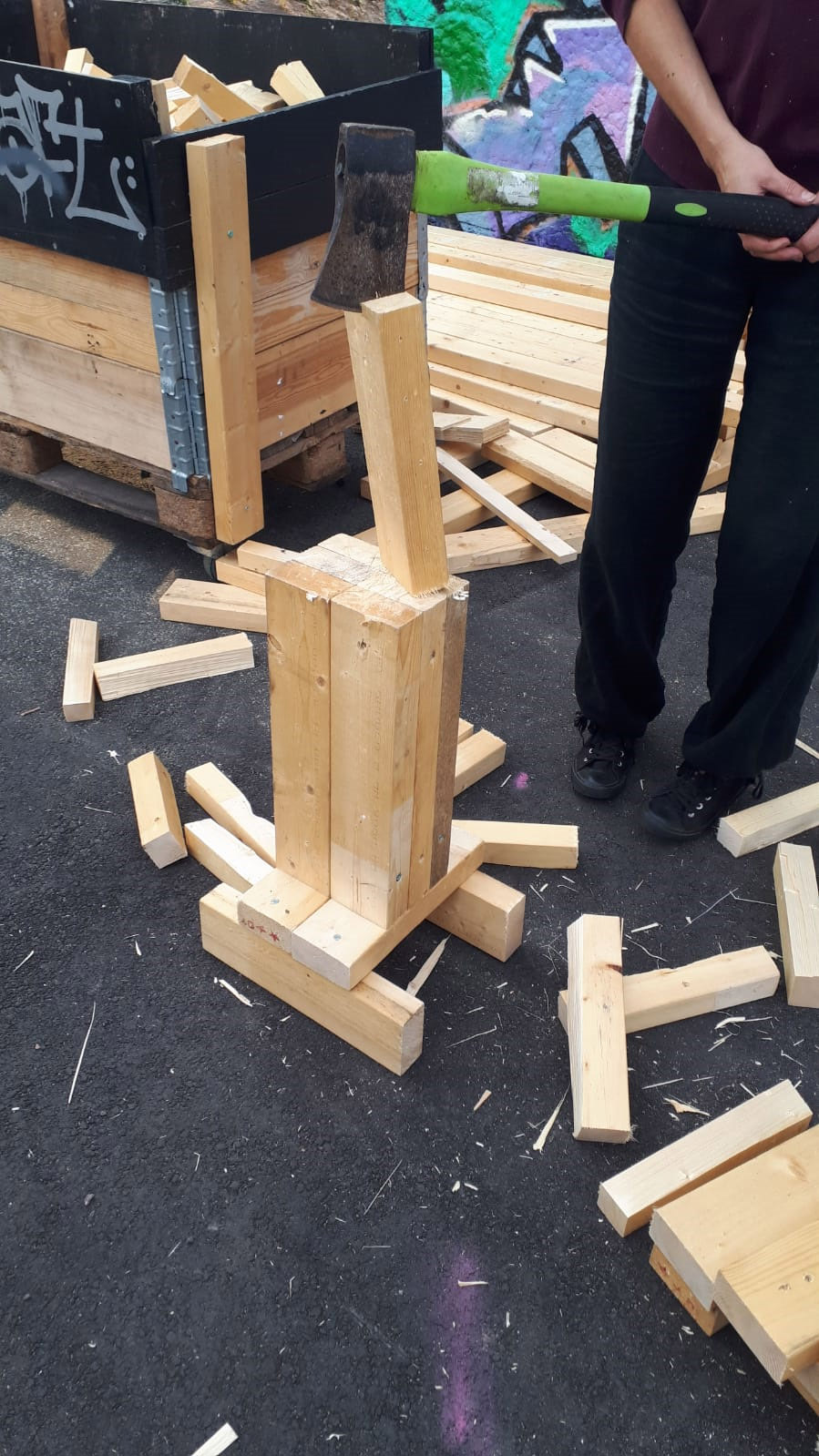
Around the time the University of Arts asked me to develop these table supports I was just realizing that even though I had been working in a craft environment for some time, I had kept using a quasi industrial design process, manufacturing from drawings. With a total of fourteen trestles requested by the art academy’s for its temporary quarters, the commission seemed to provide a context appropriate to divert from this. All items were drawn directly by hand or machine into material found in or around the workshop, a constraint that gave them a half explosive, half maladroit energy that eventually struck strong vs. the former administration premises.
- Assistance
- Guilleaume Bleeckx
- Material
- various/found
-
Design Library Hermanni ⋂ Weaving Kiosk
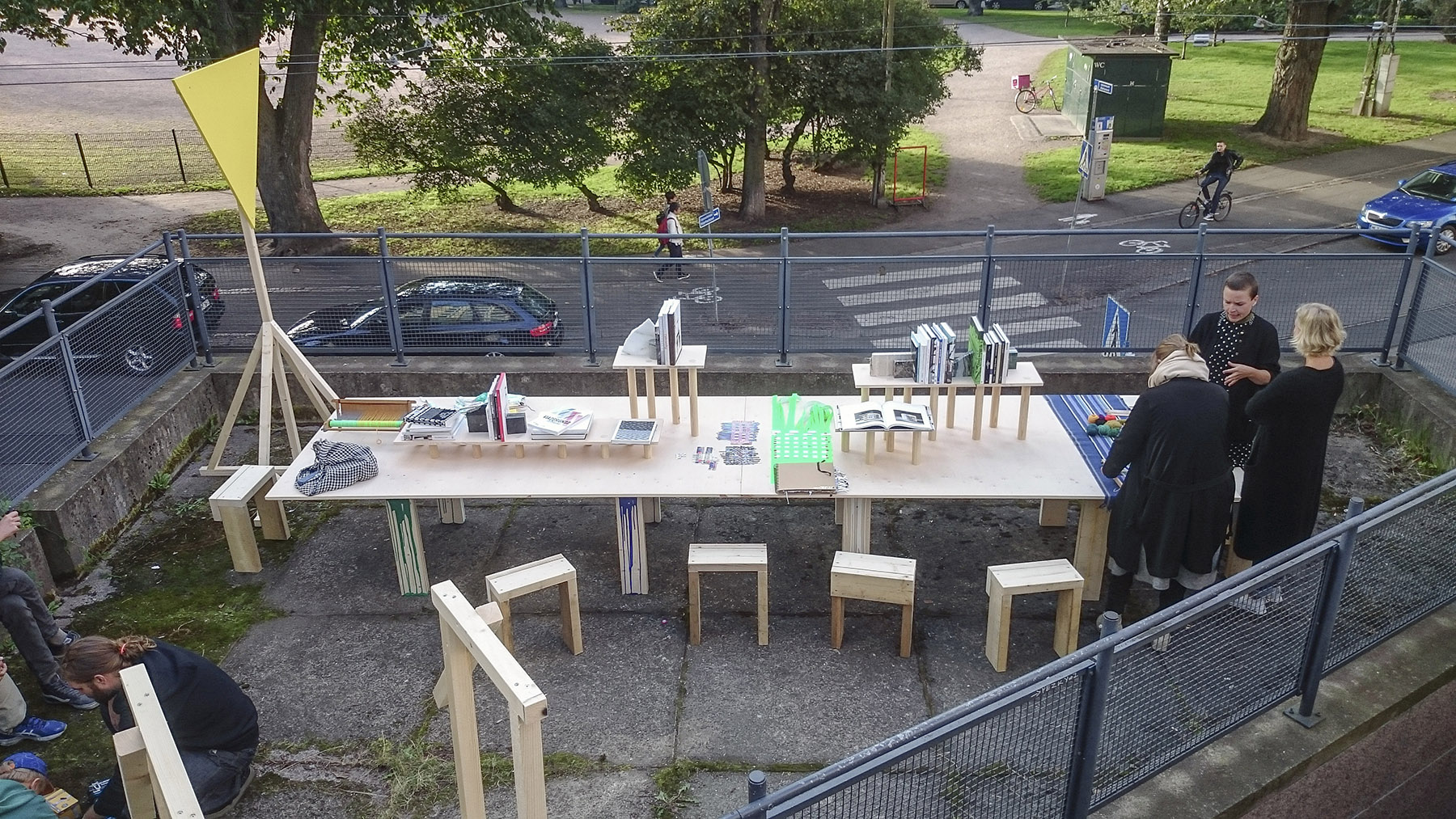
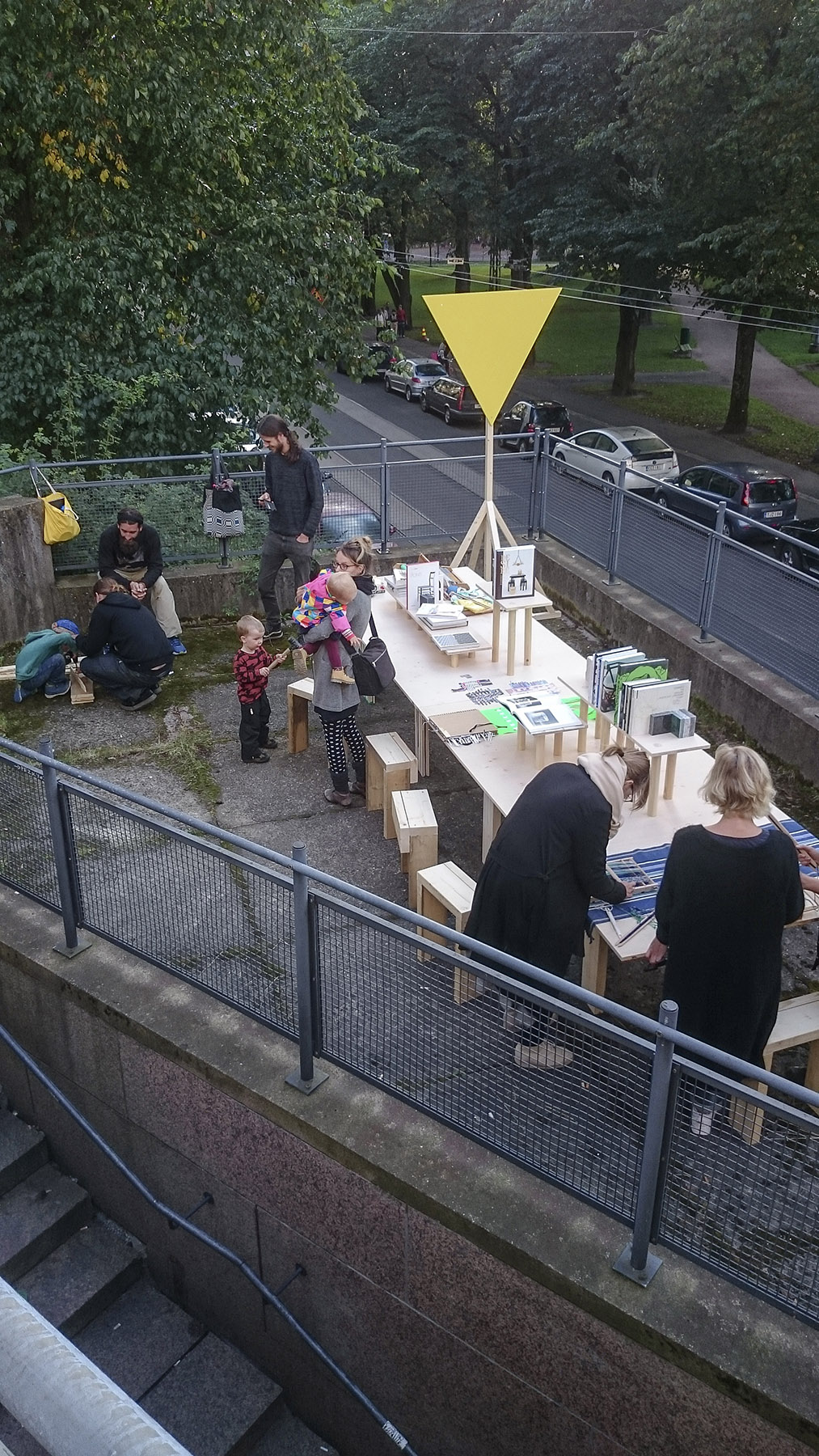
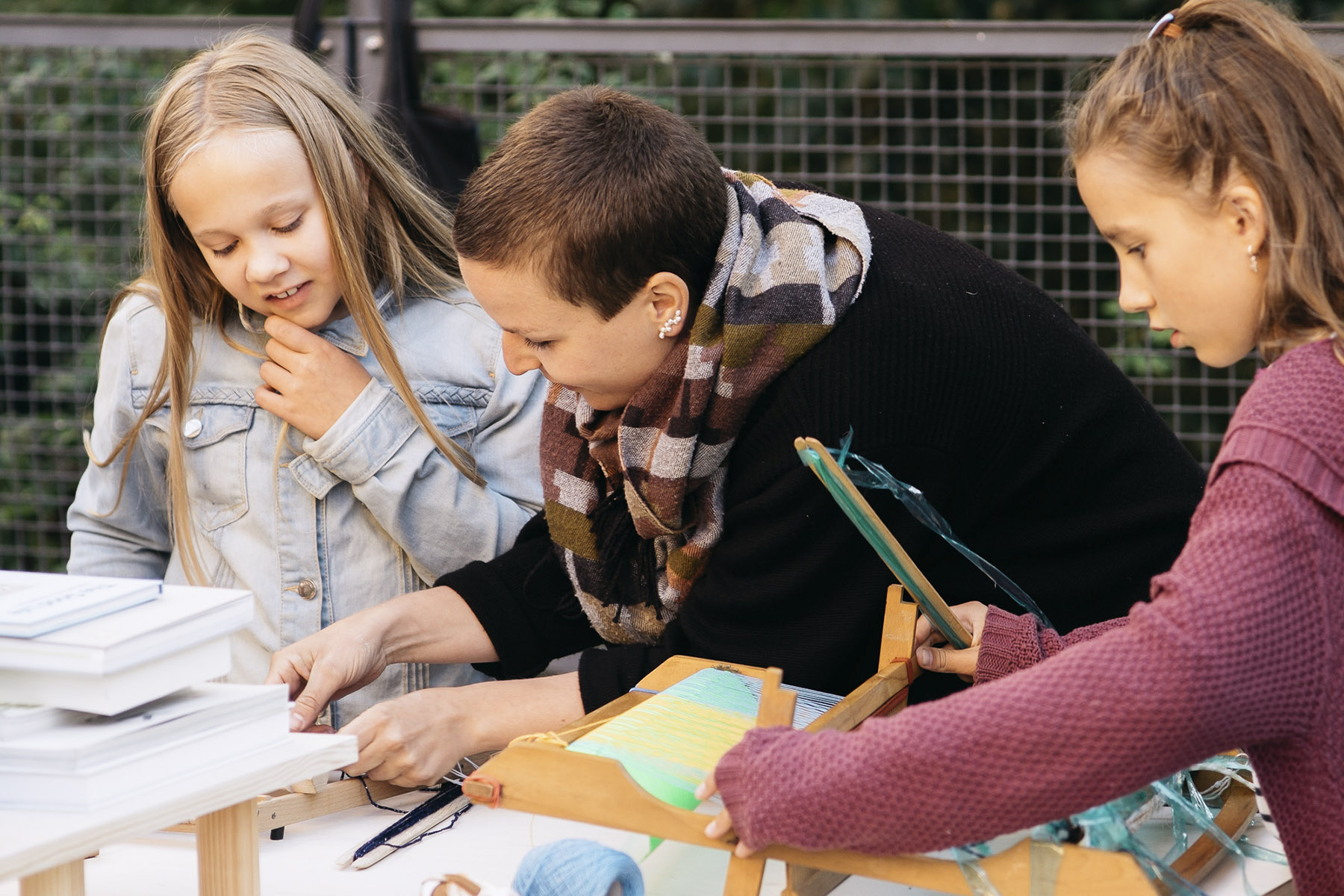
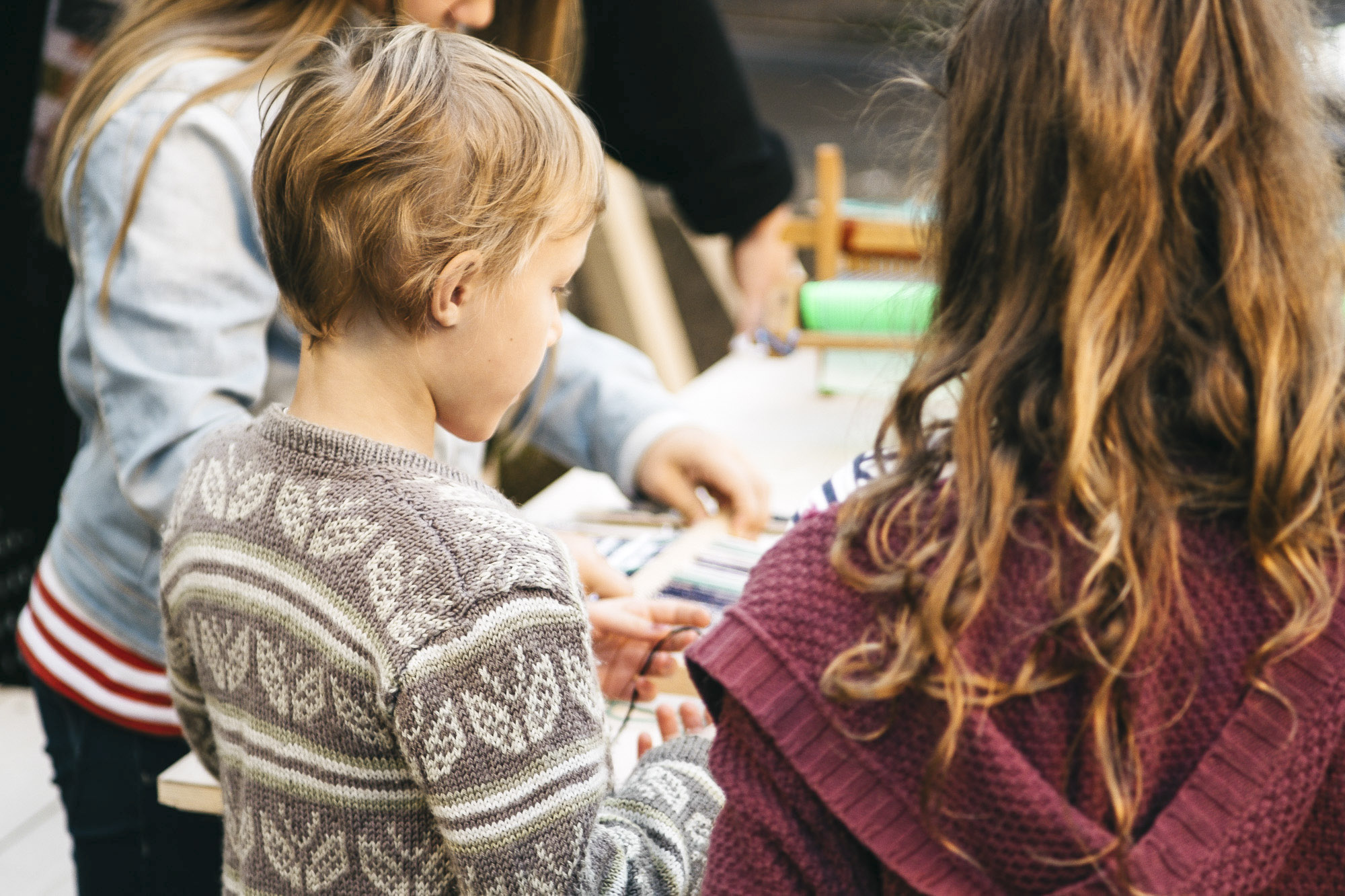
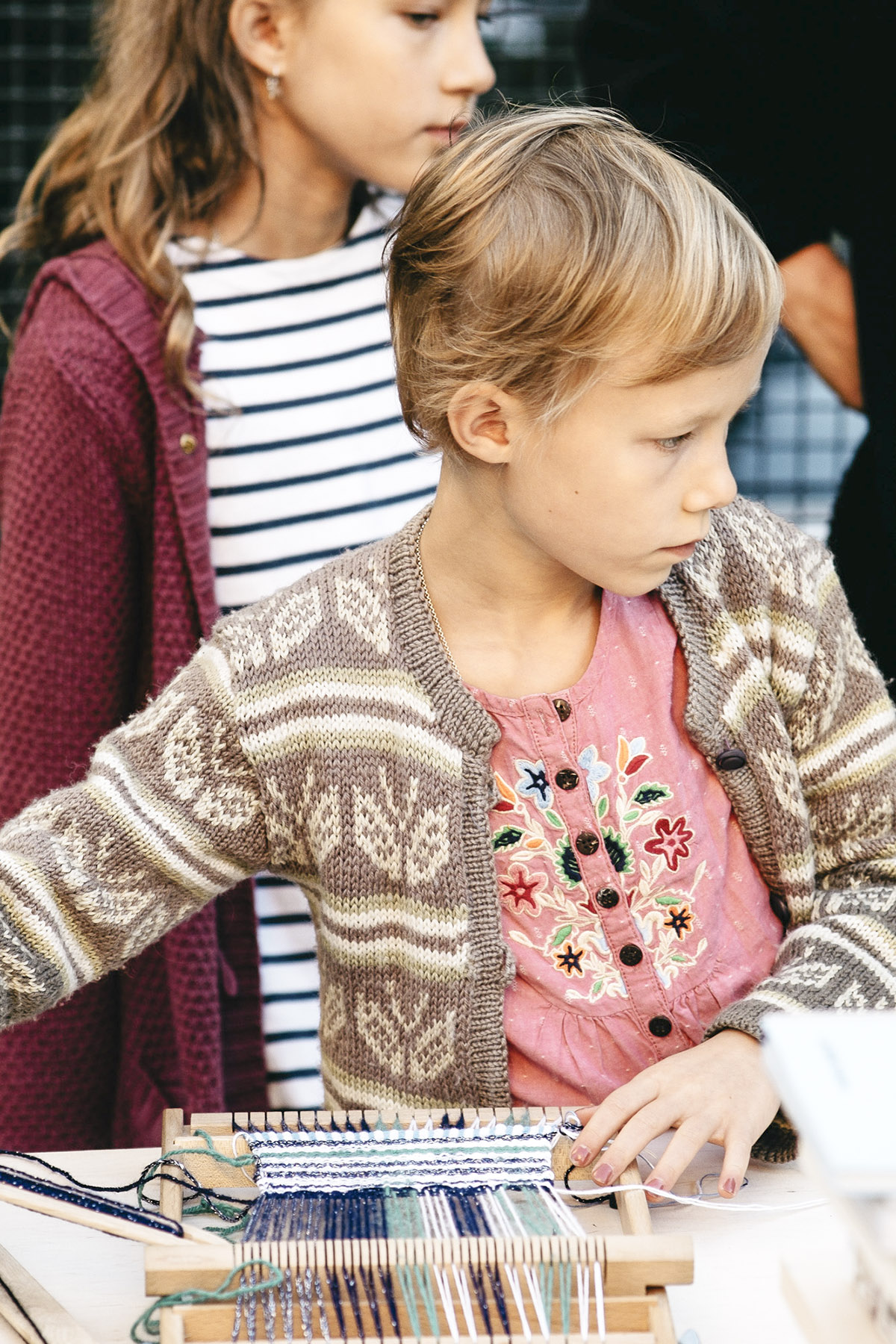
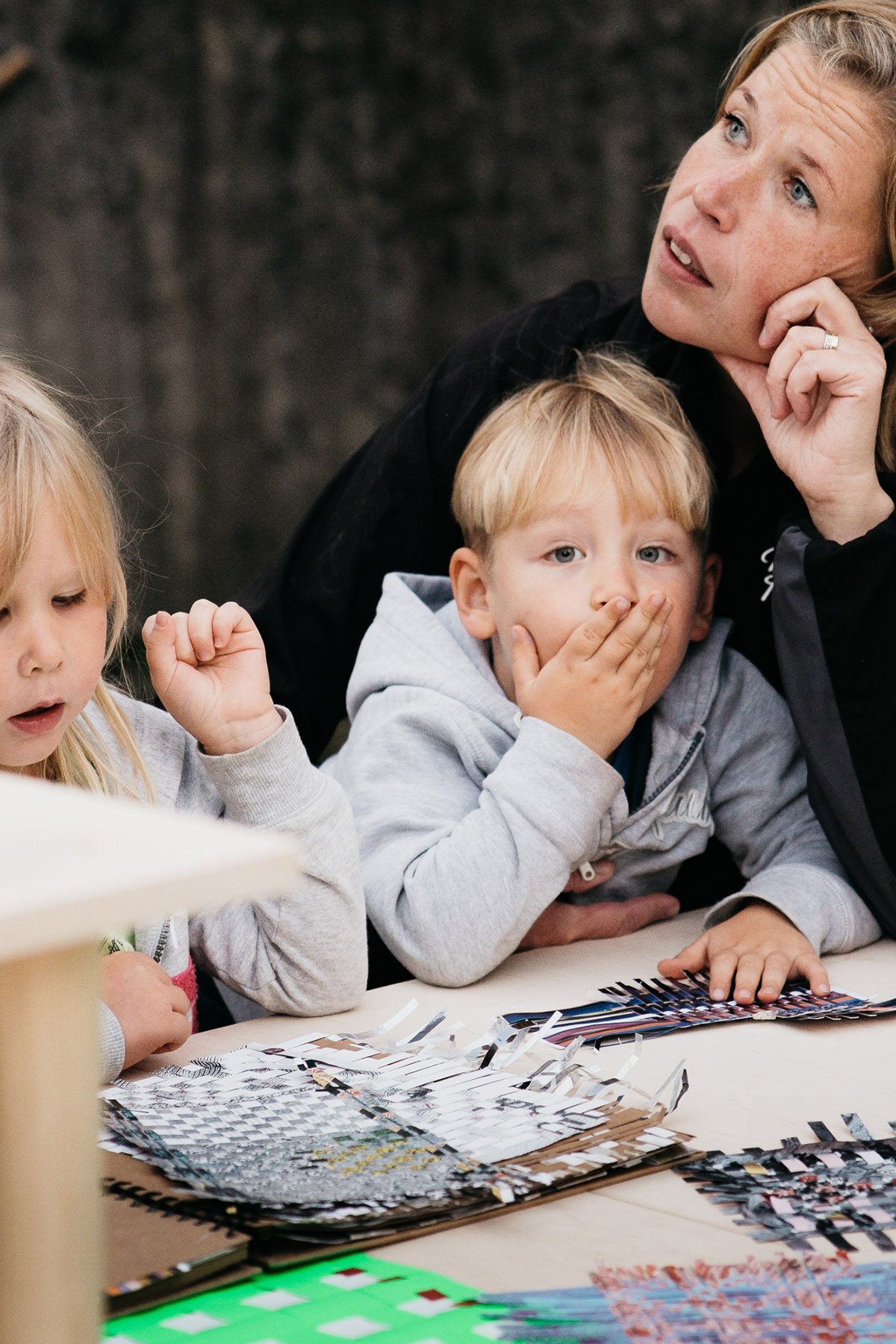
One-day library and weaving pop-up.
DLH’s “Hello World” moment, built on a day in 2015 on top of a somehow well-known utility block in the Helsinki neighborhood of Eira. Together with Rosa Tolnov Clausen.
2015
- With
- Rosa Tolnov Clausen
-
Design Library Hermanni
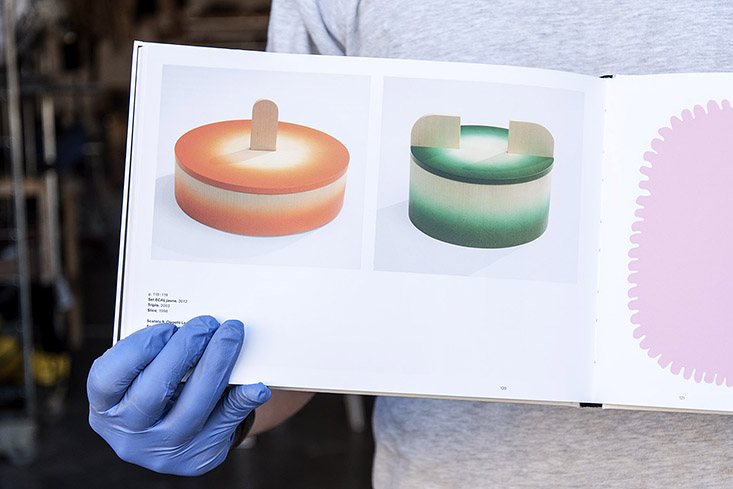
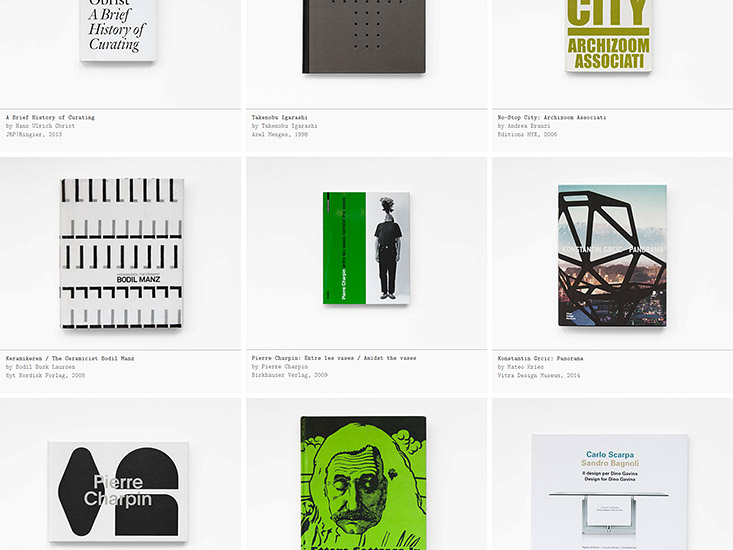
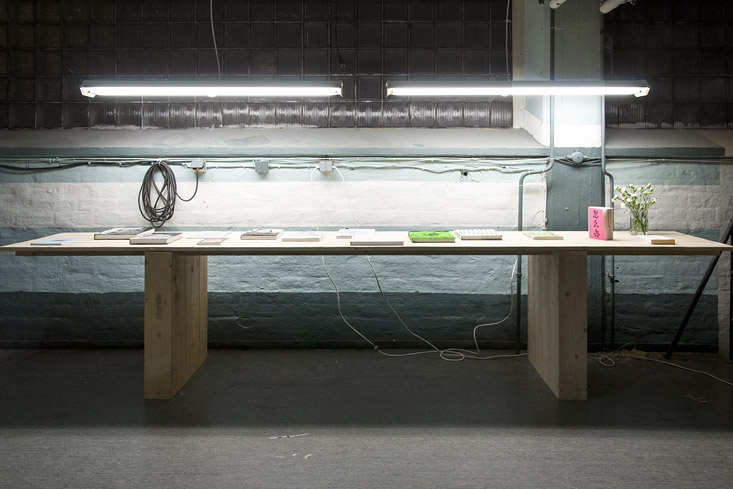
The first version of Helsinki Design Library.
I founded Design Library Hermanni in 2014 as an independent public source for books on design, architecture, art and related studies to support the conceptual discourse in Helsinki’s practicing design community. HDL collects monographs, catalogues raisonnés, interview editions and other formats that give in-depth views of particular artistic practices, conceptual motifs and historical moments. Additional publications cover technical culture and relevant socio-cultural and philosophical questions.
Since 2017, Design Library Hermanni has slowly transformed into Helsinki Design Library.
2014 — 2017
-
Kolding School of Design graduation 2013
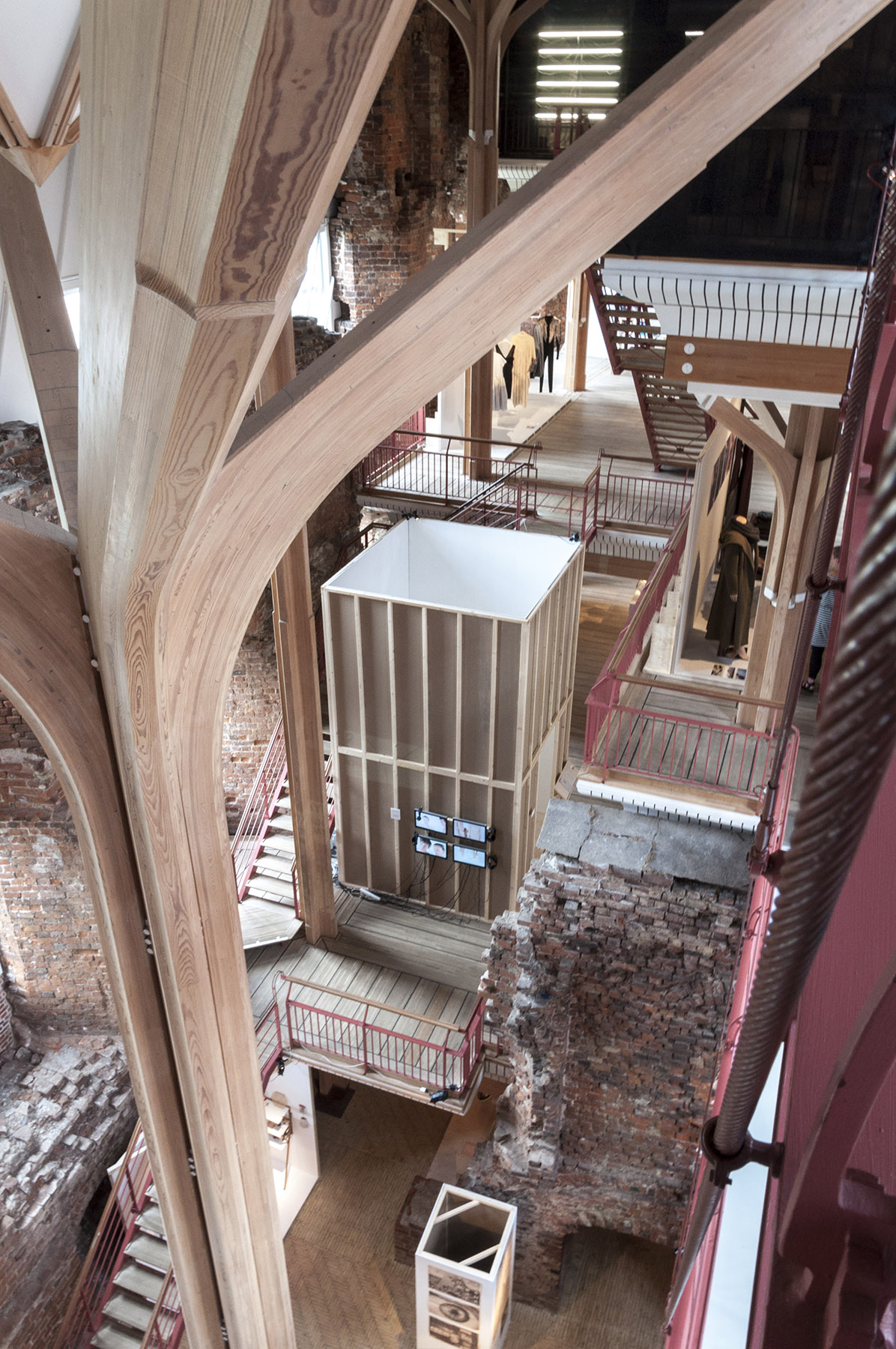
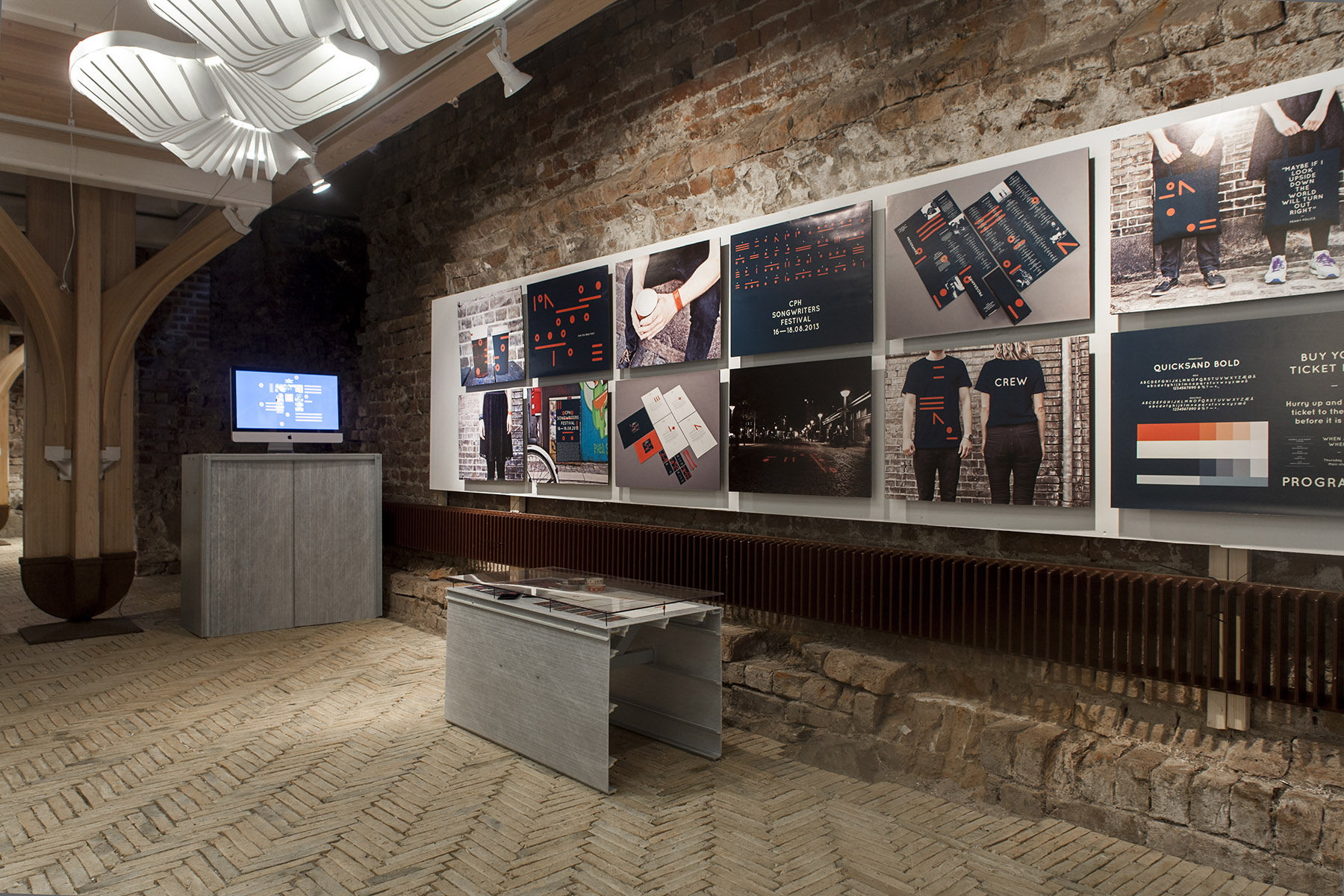
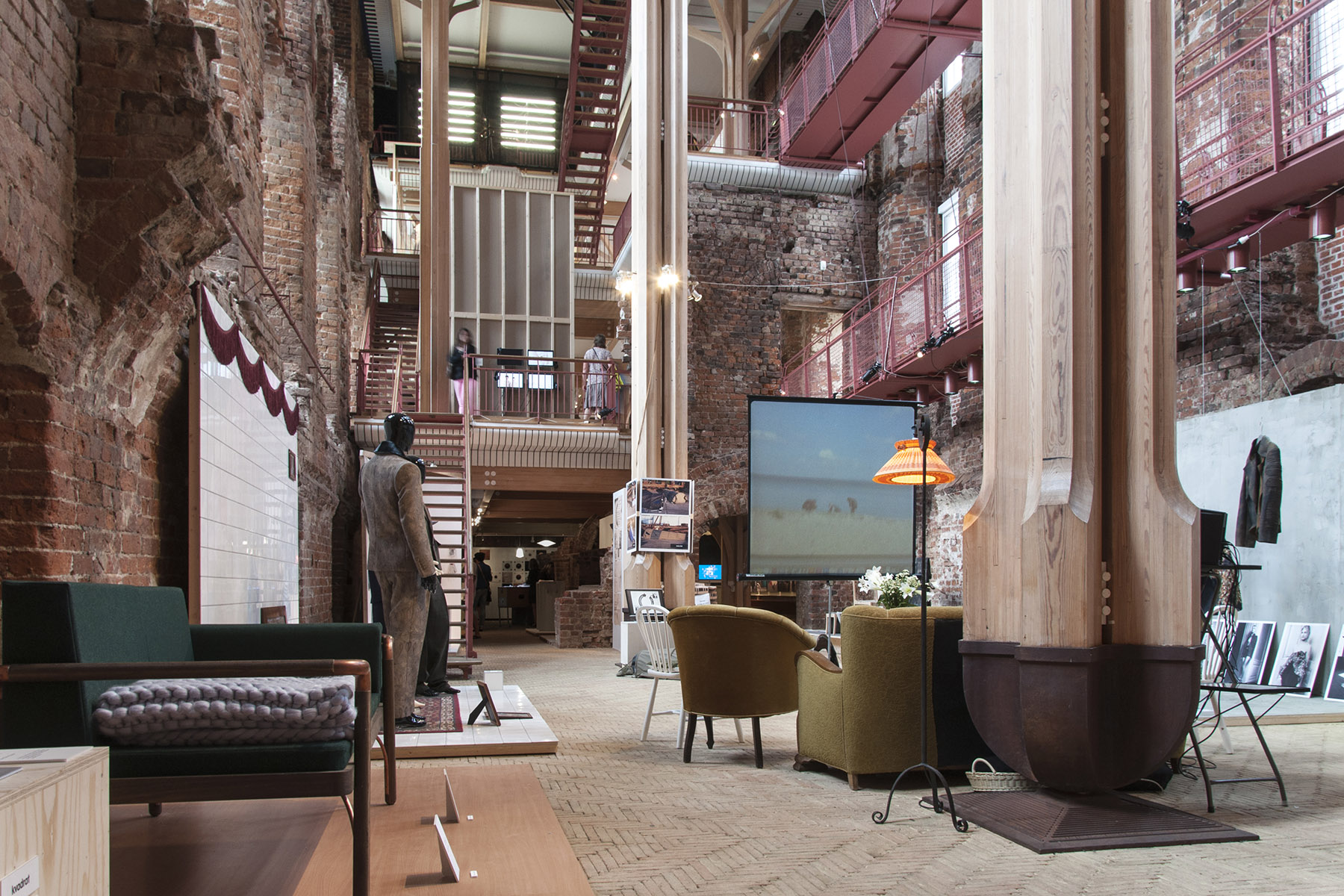
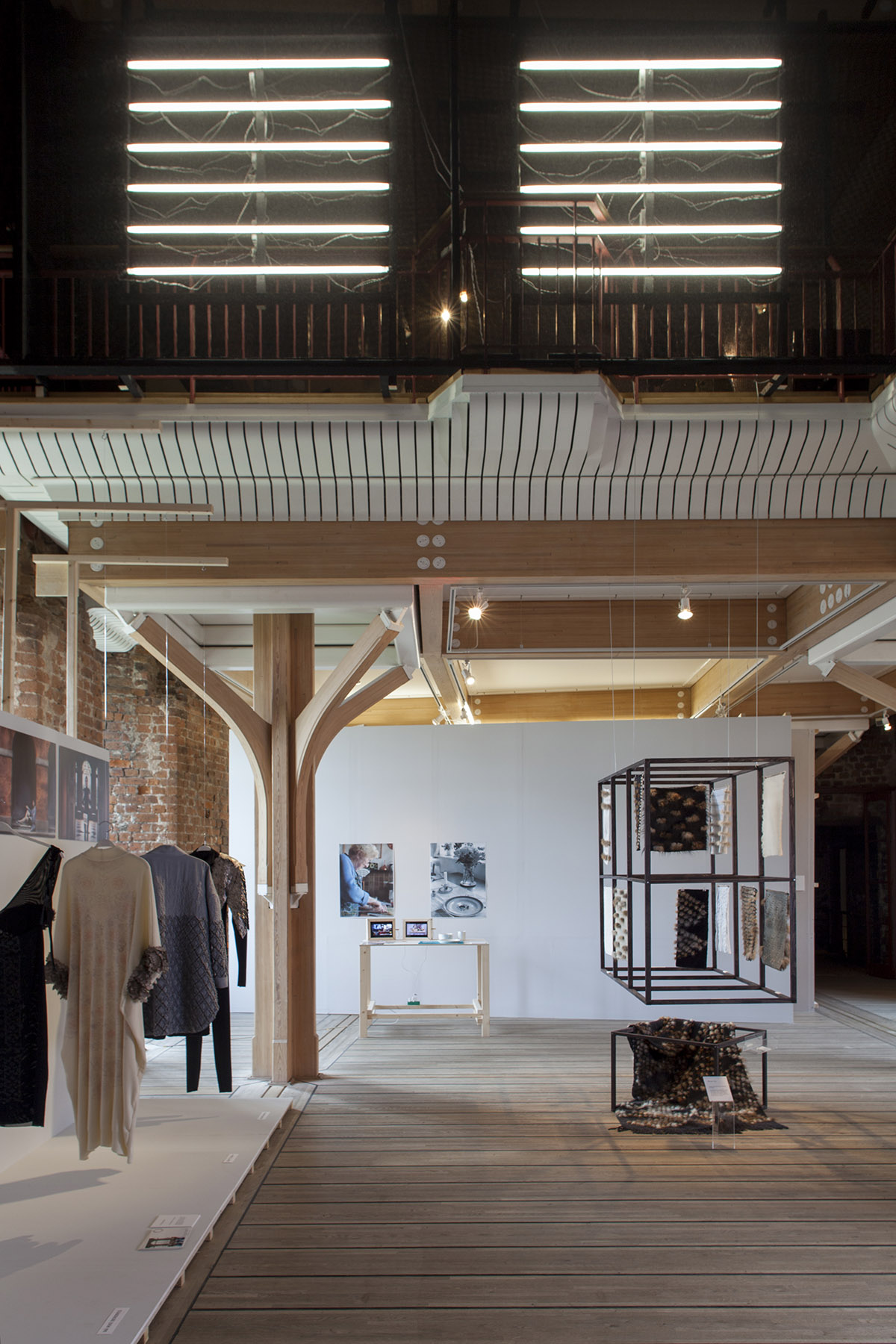
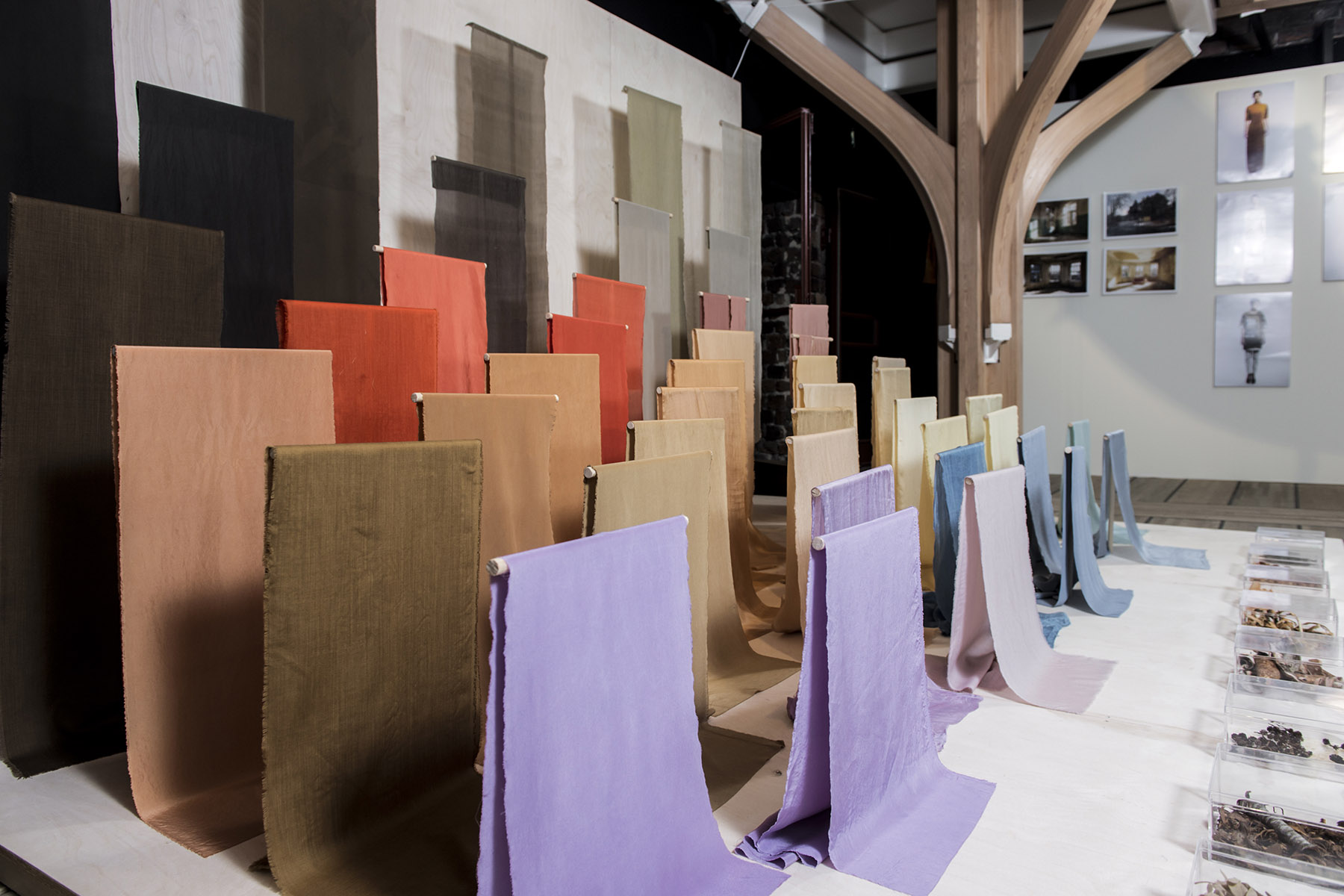
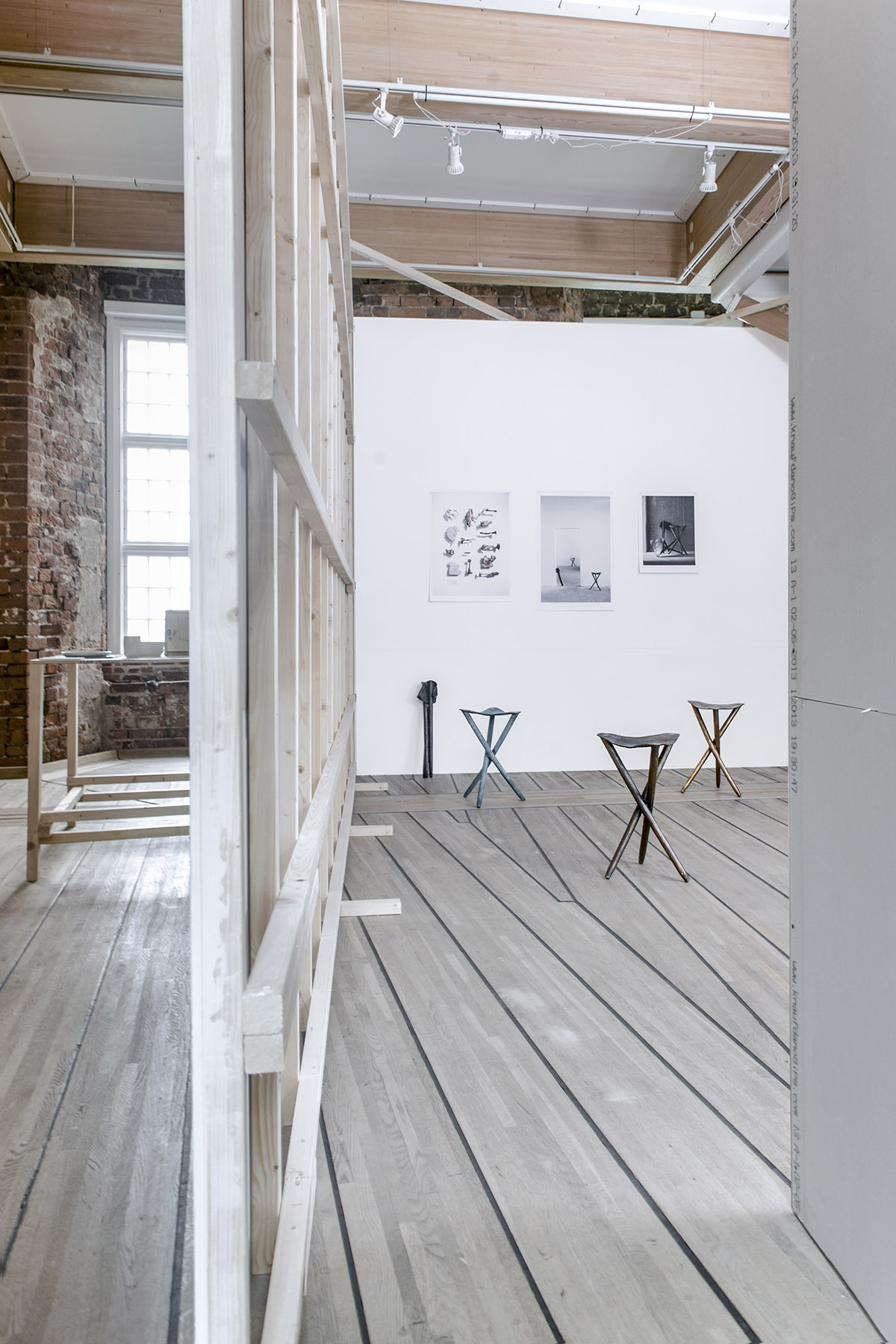
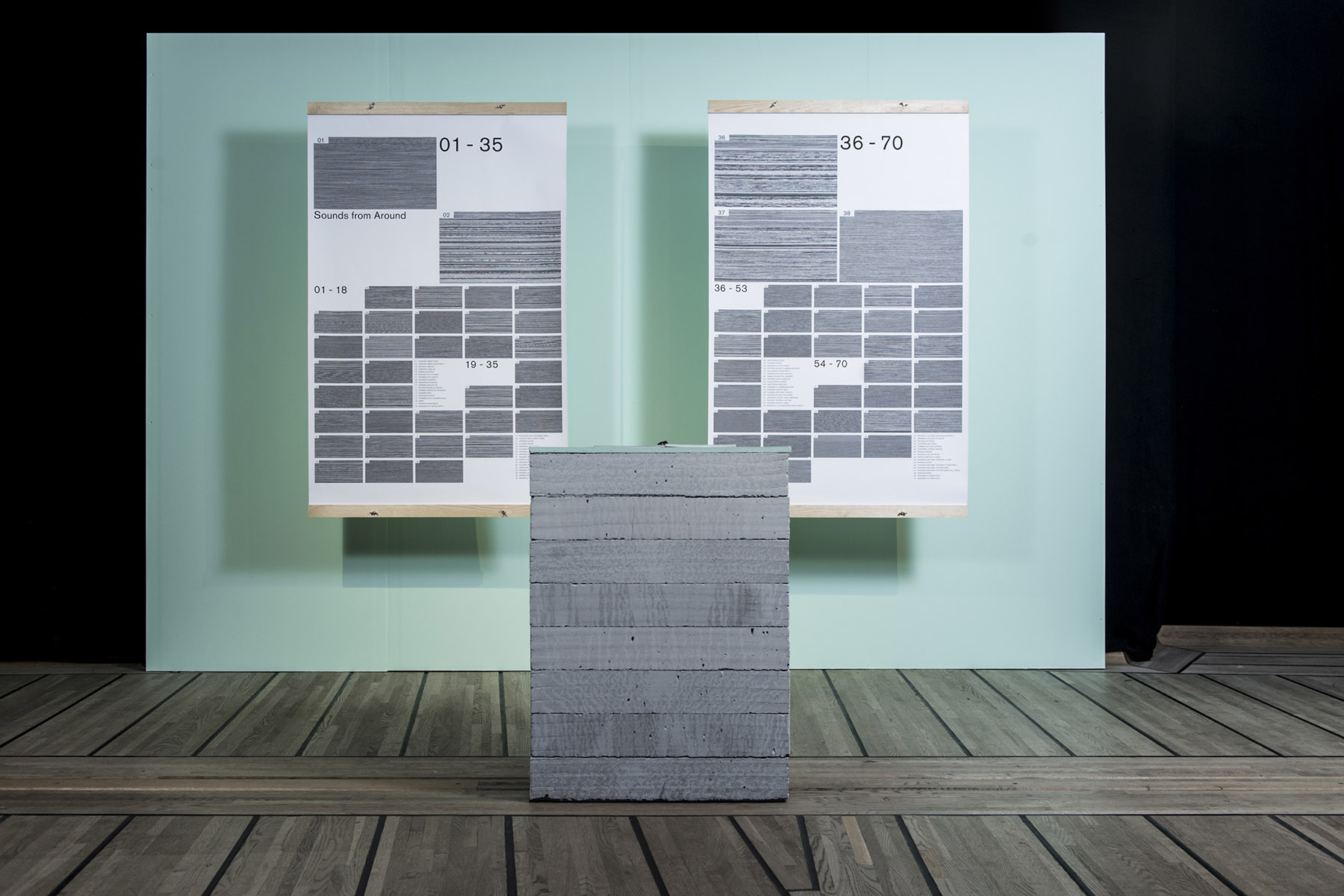
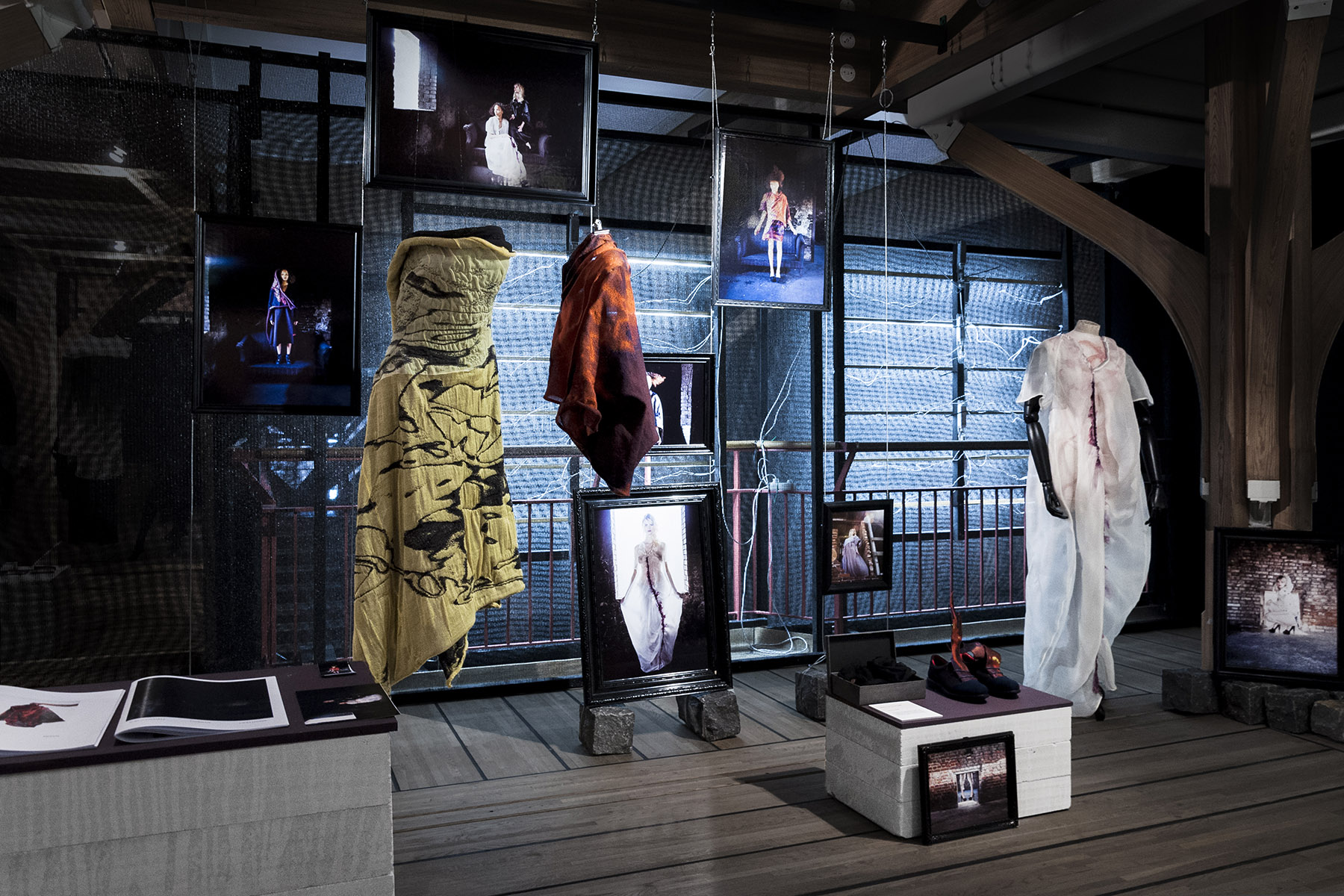
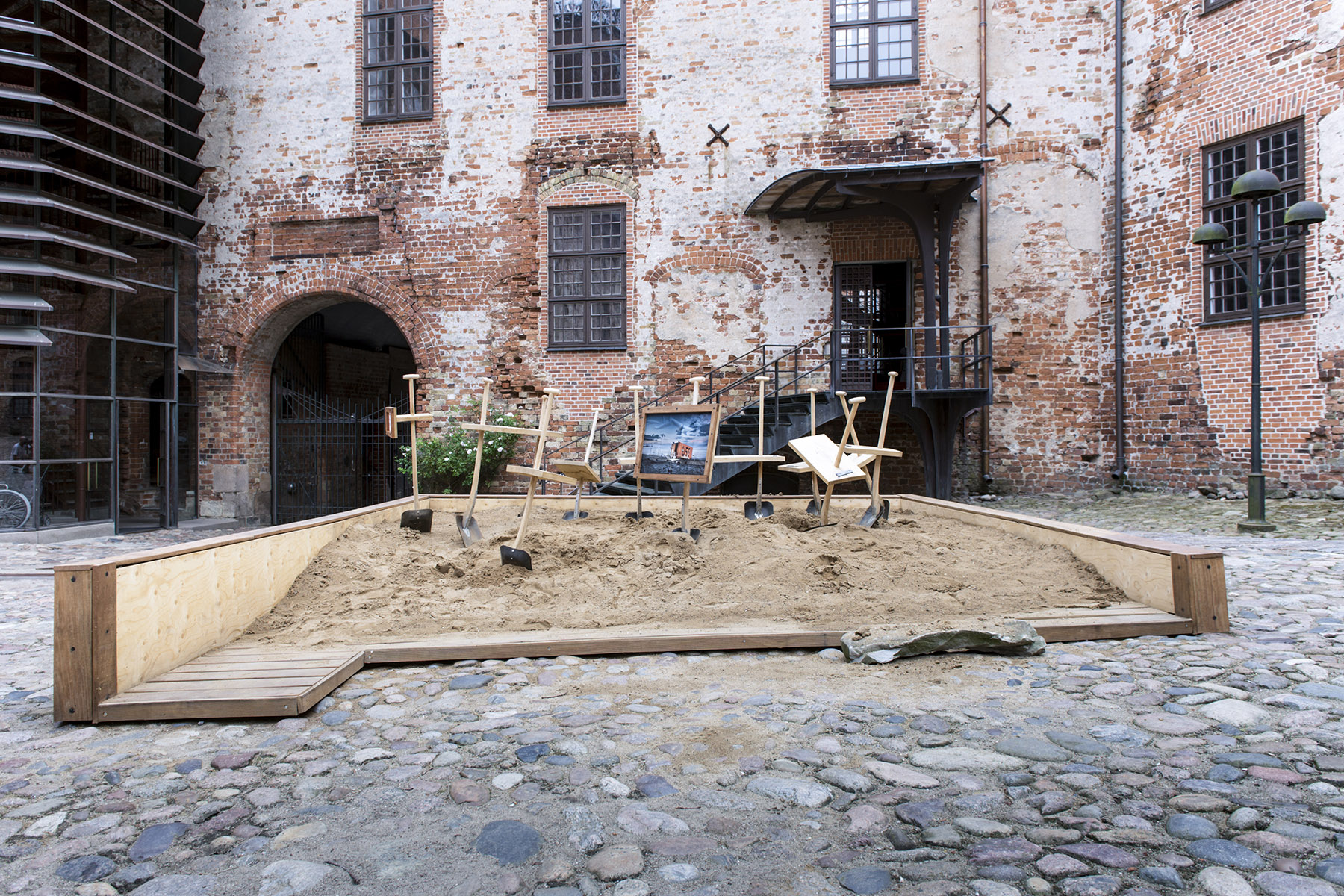
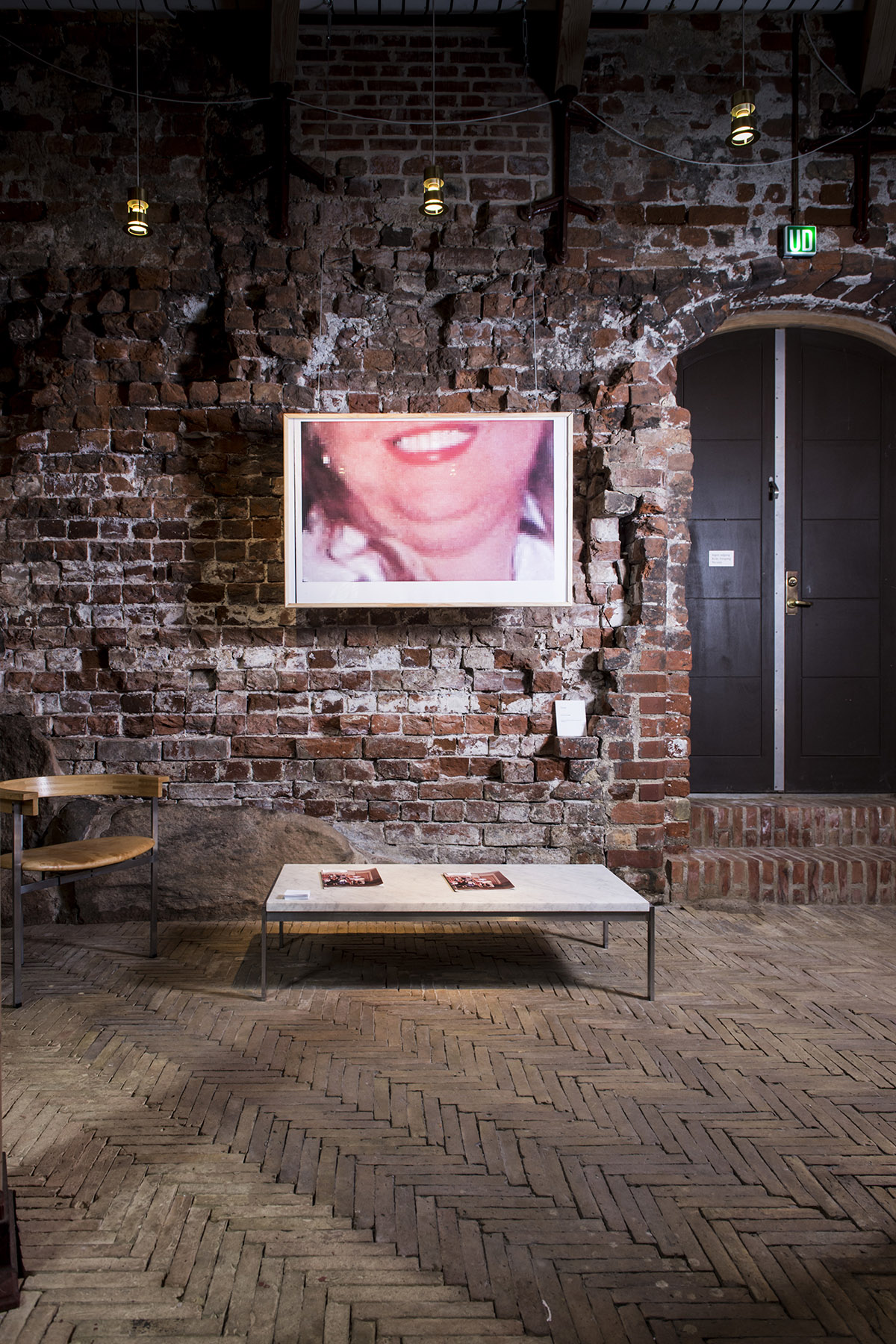
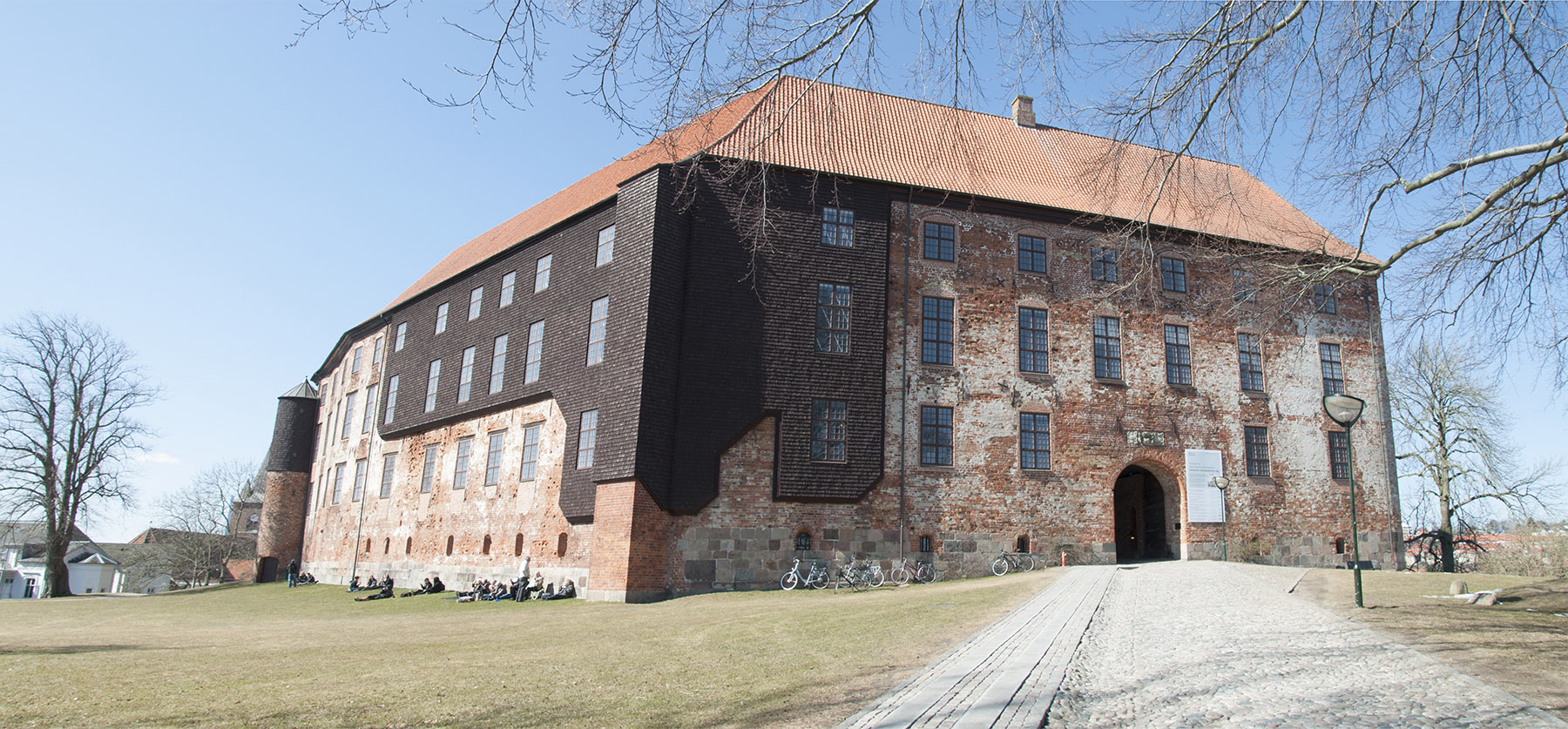
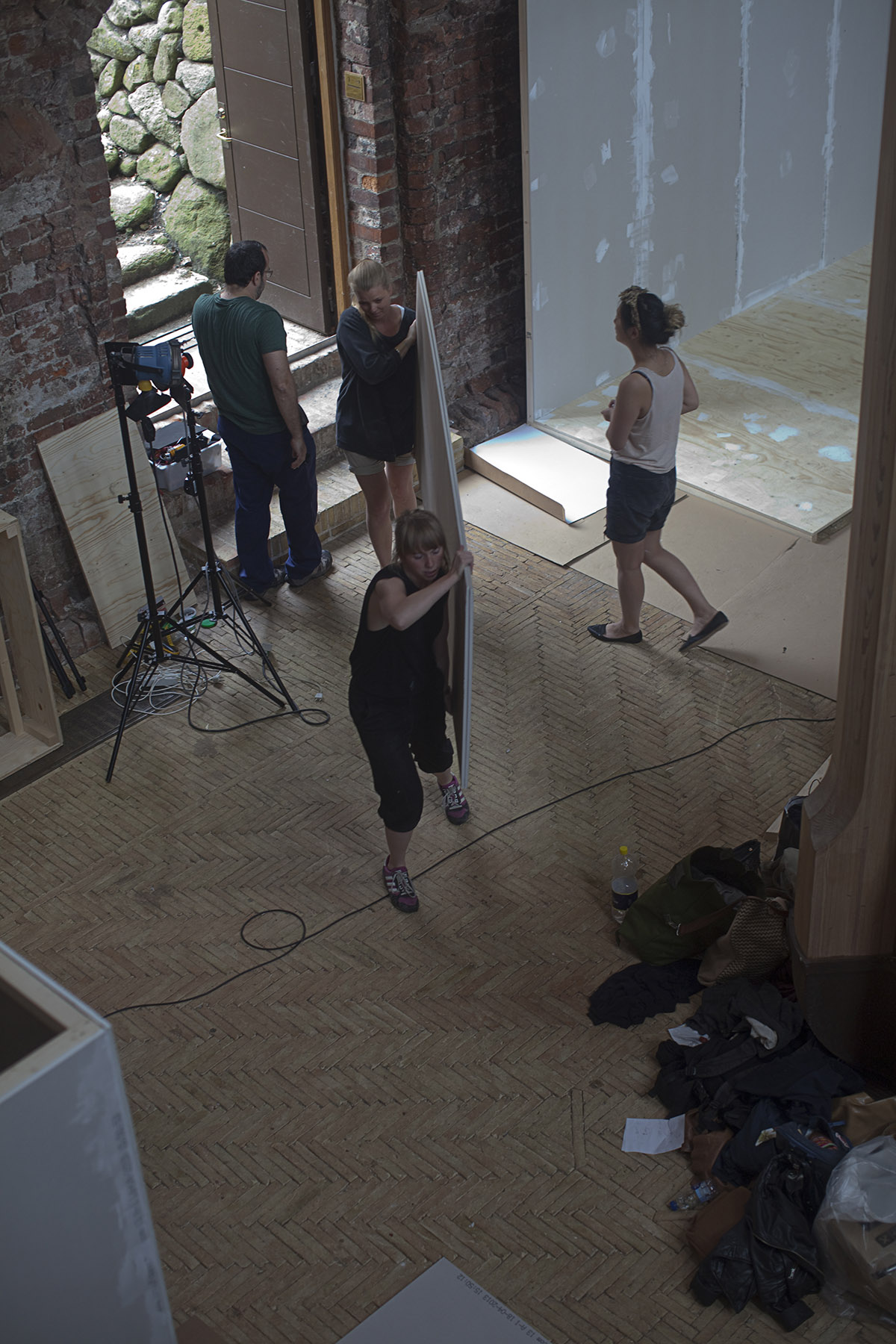
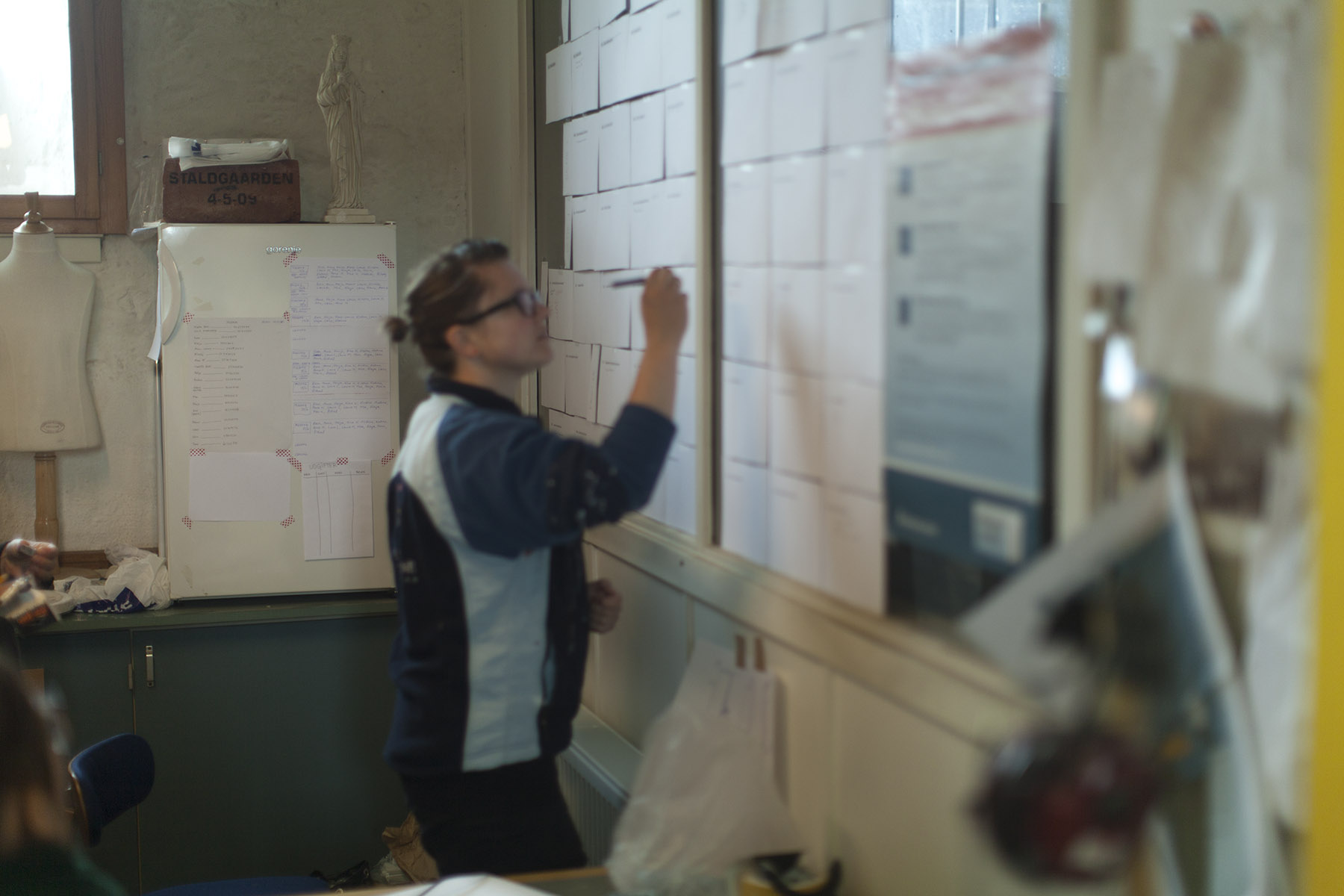
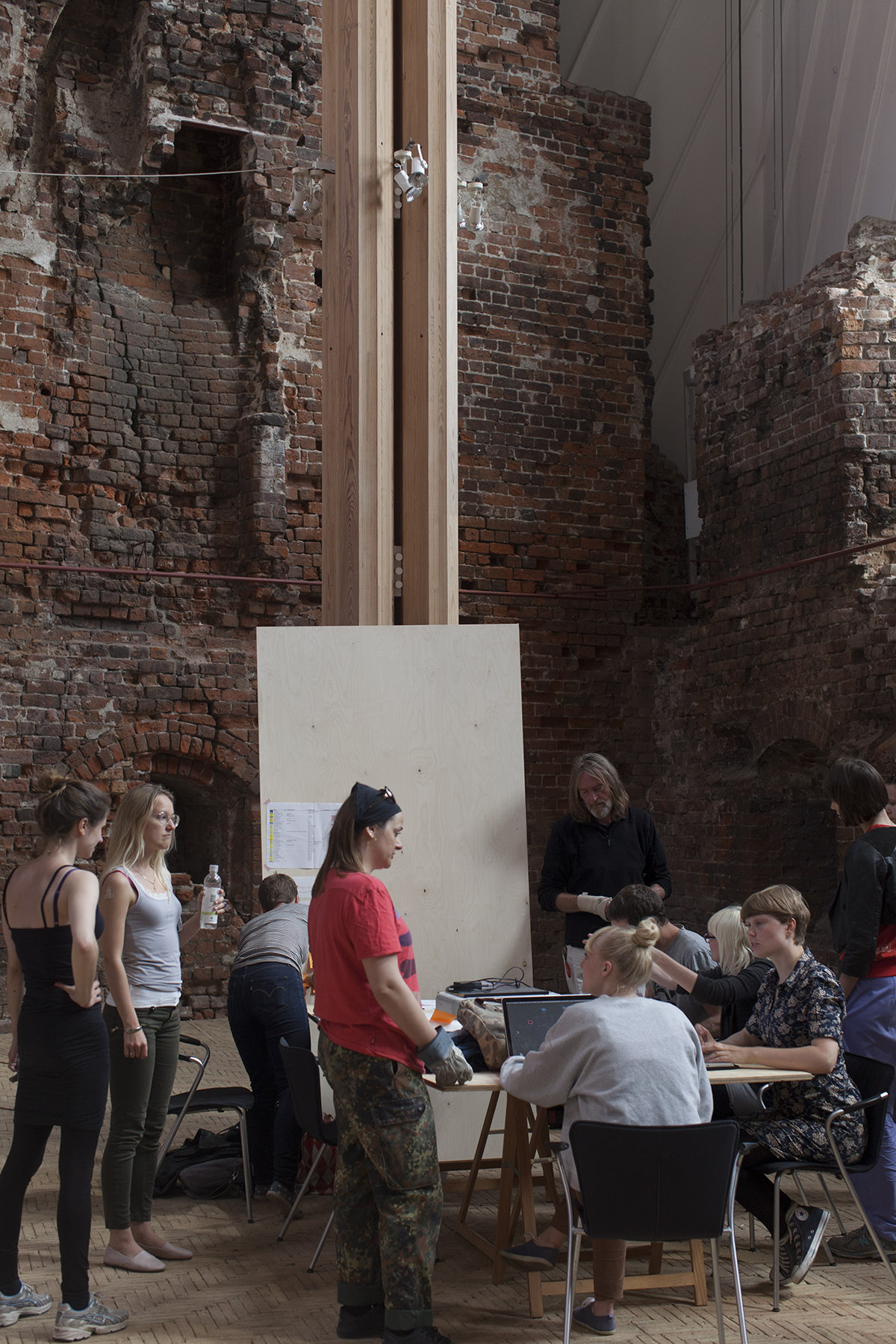
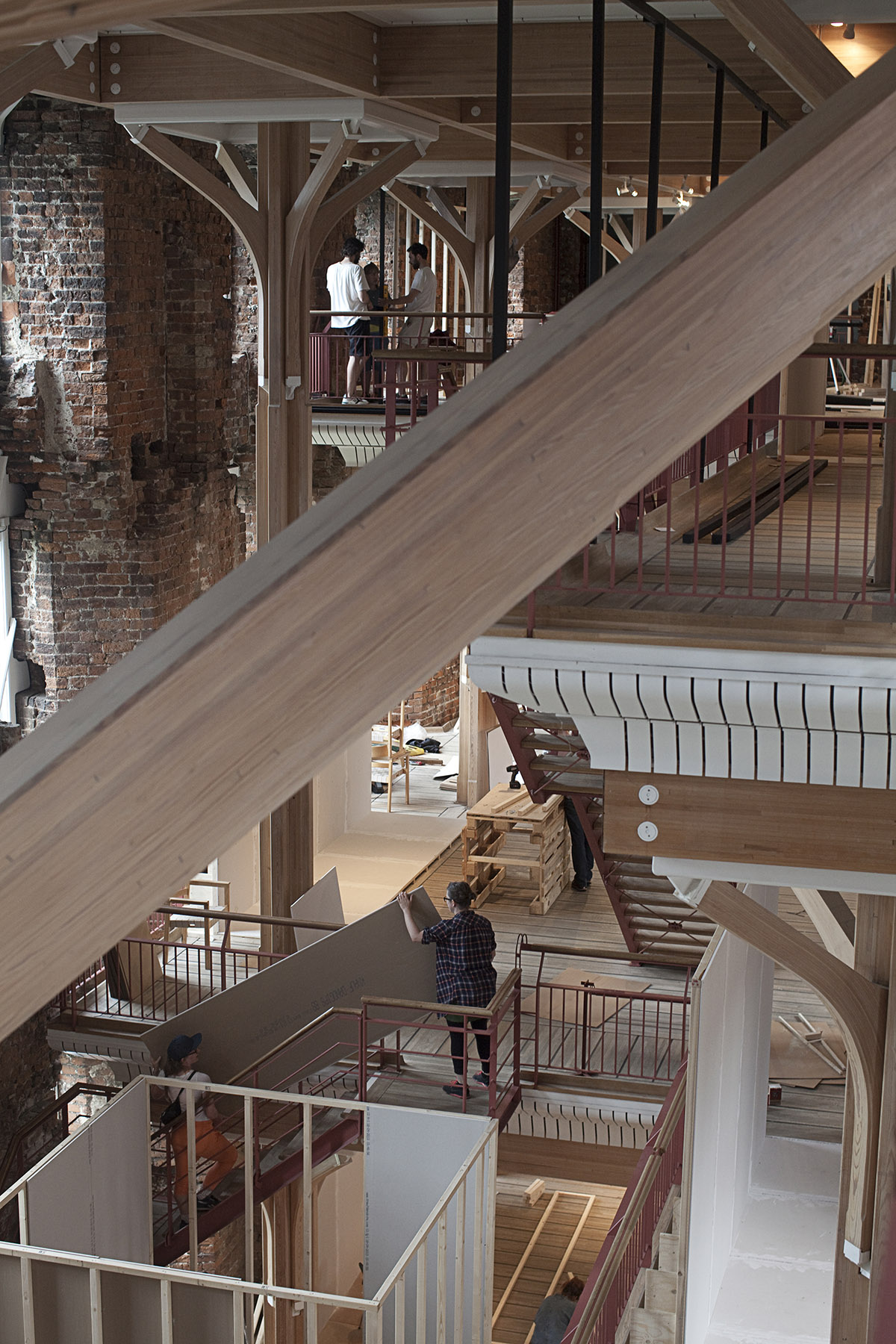
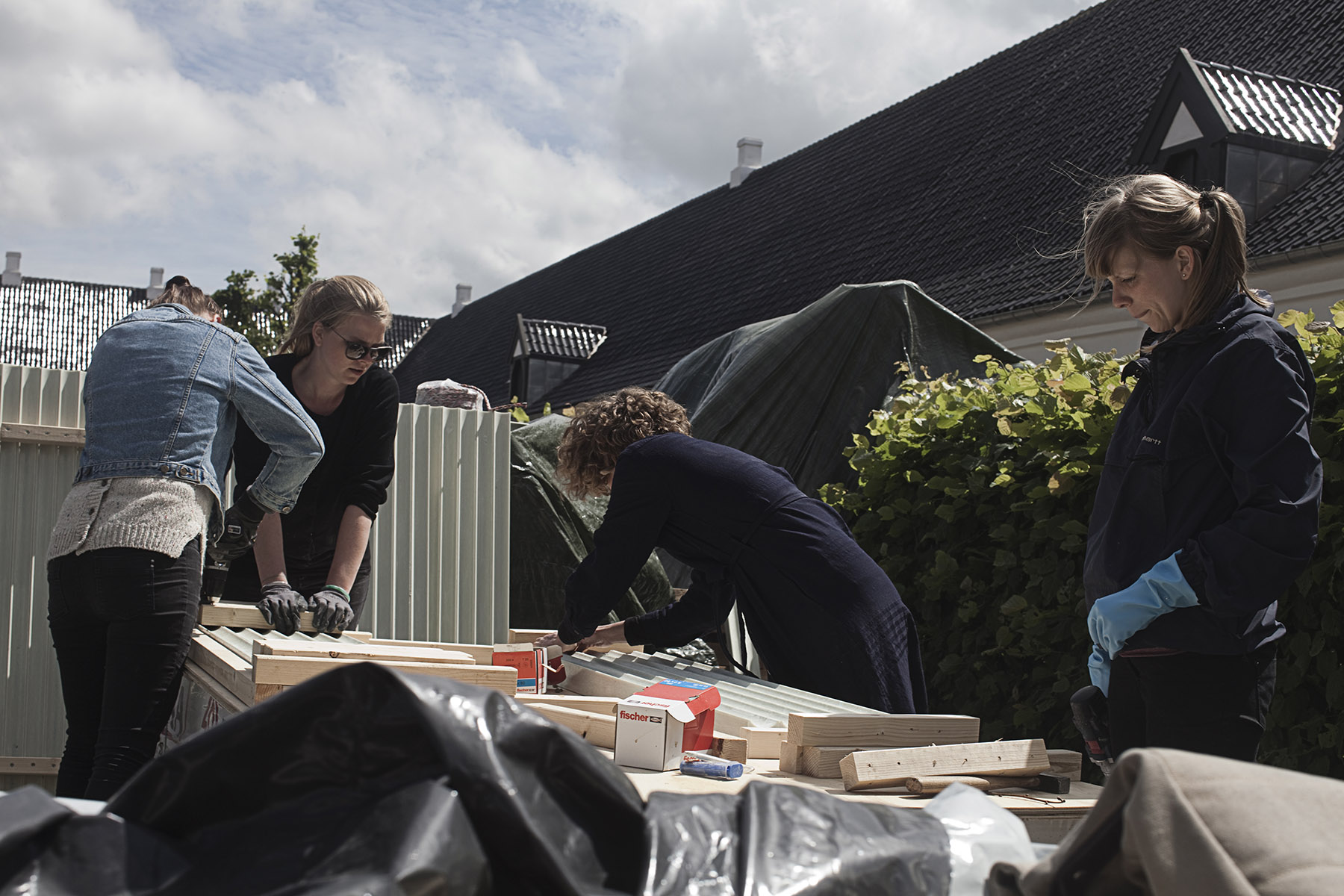
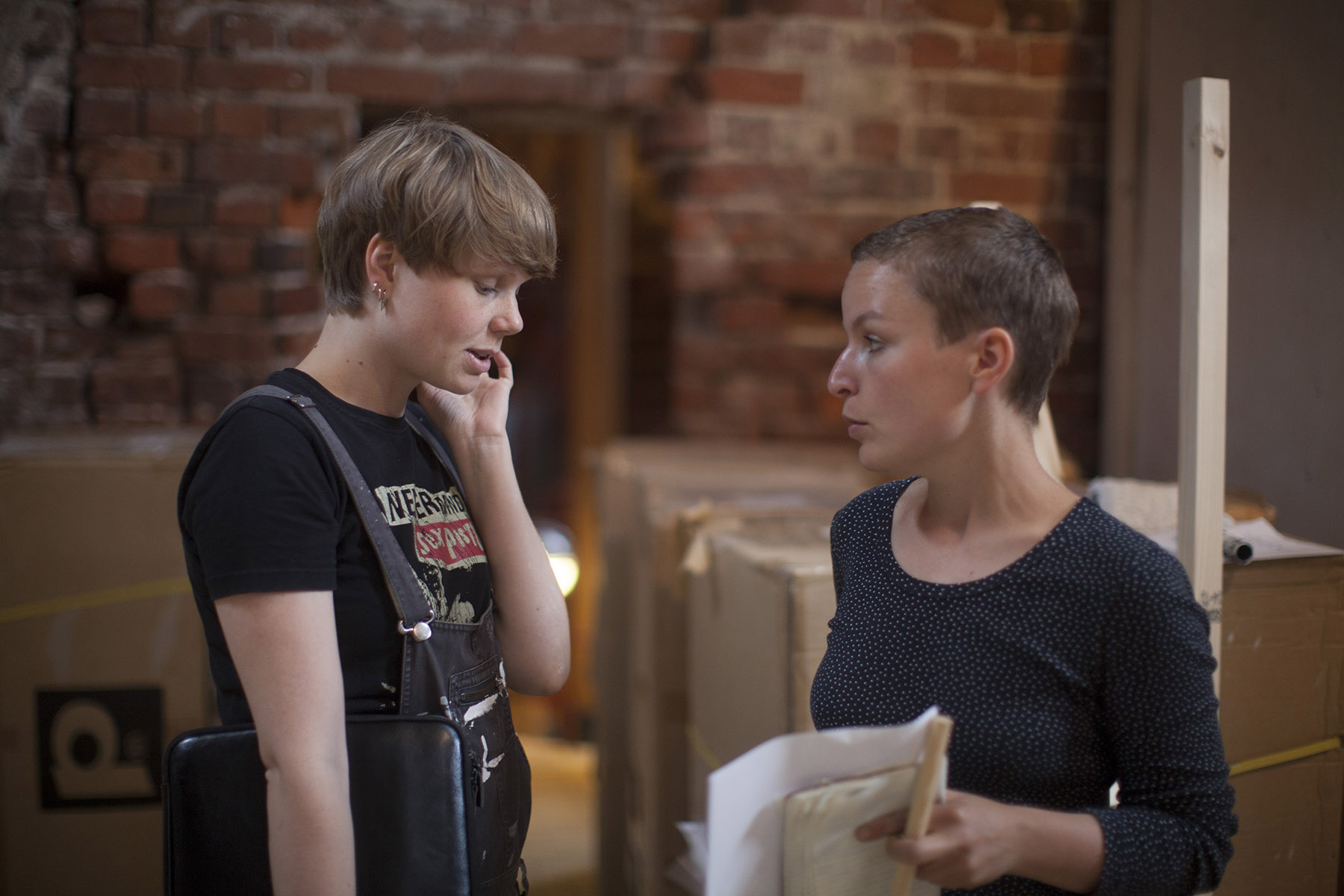
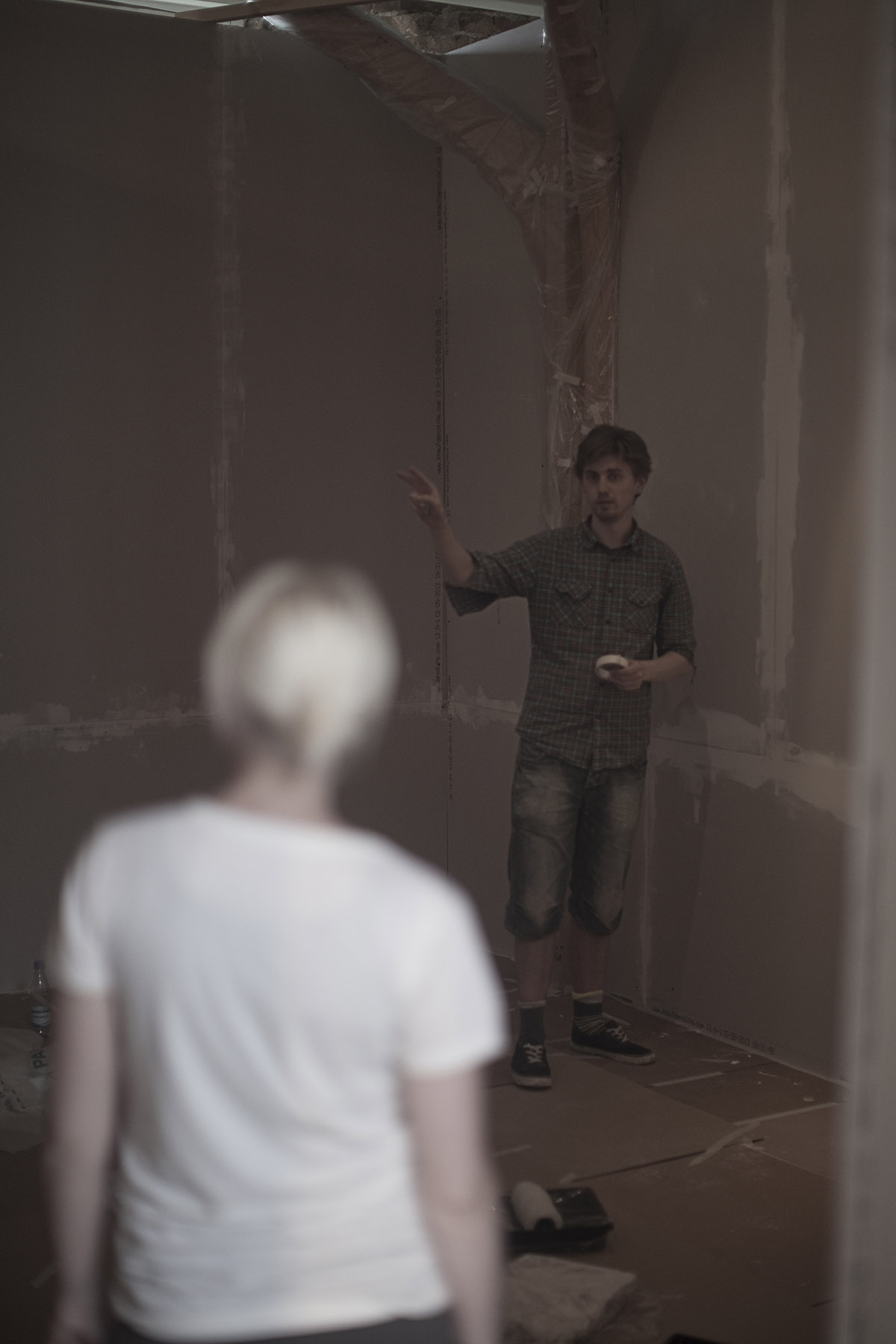
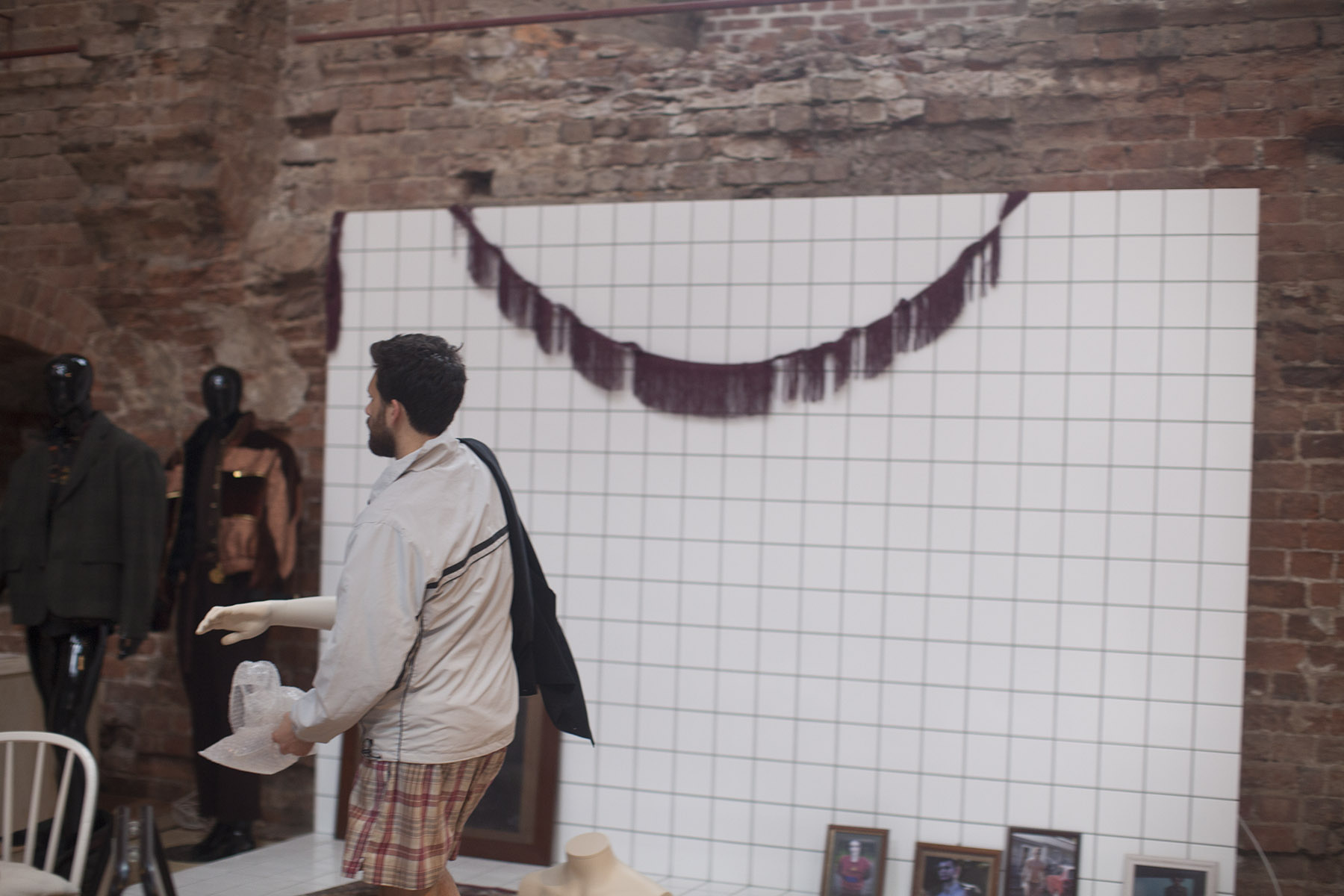
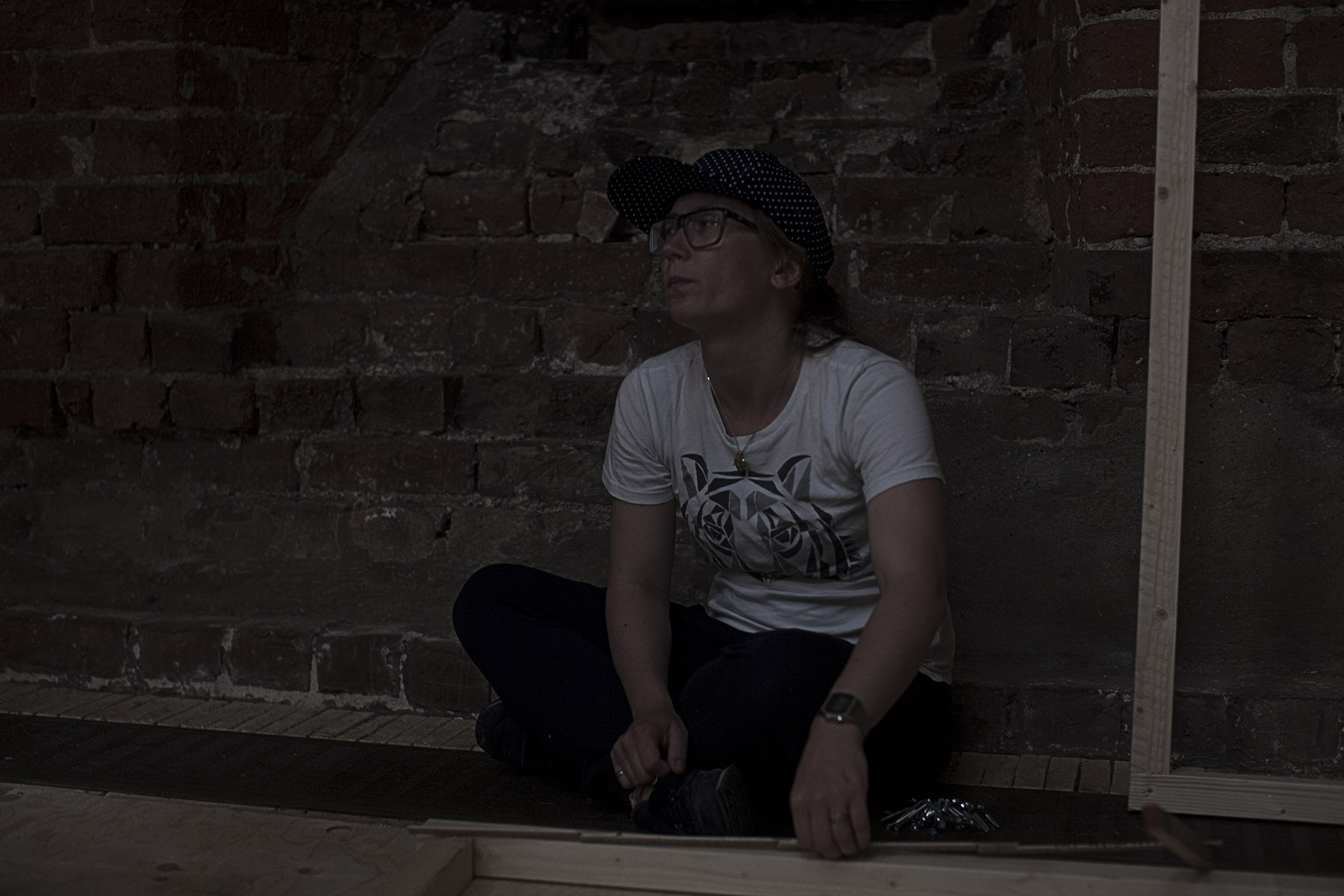
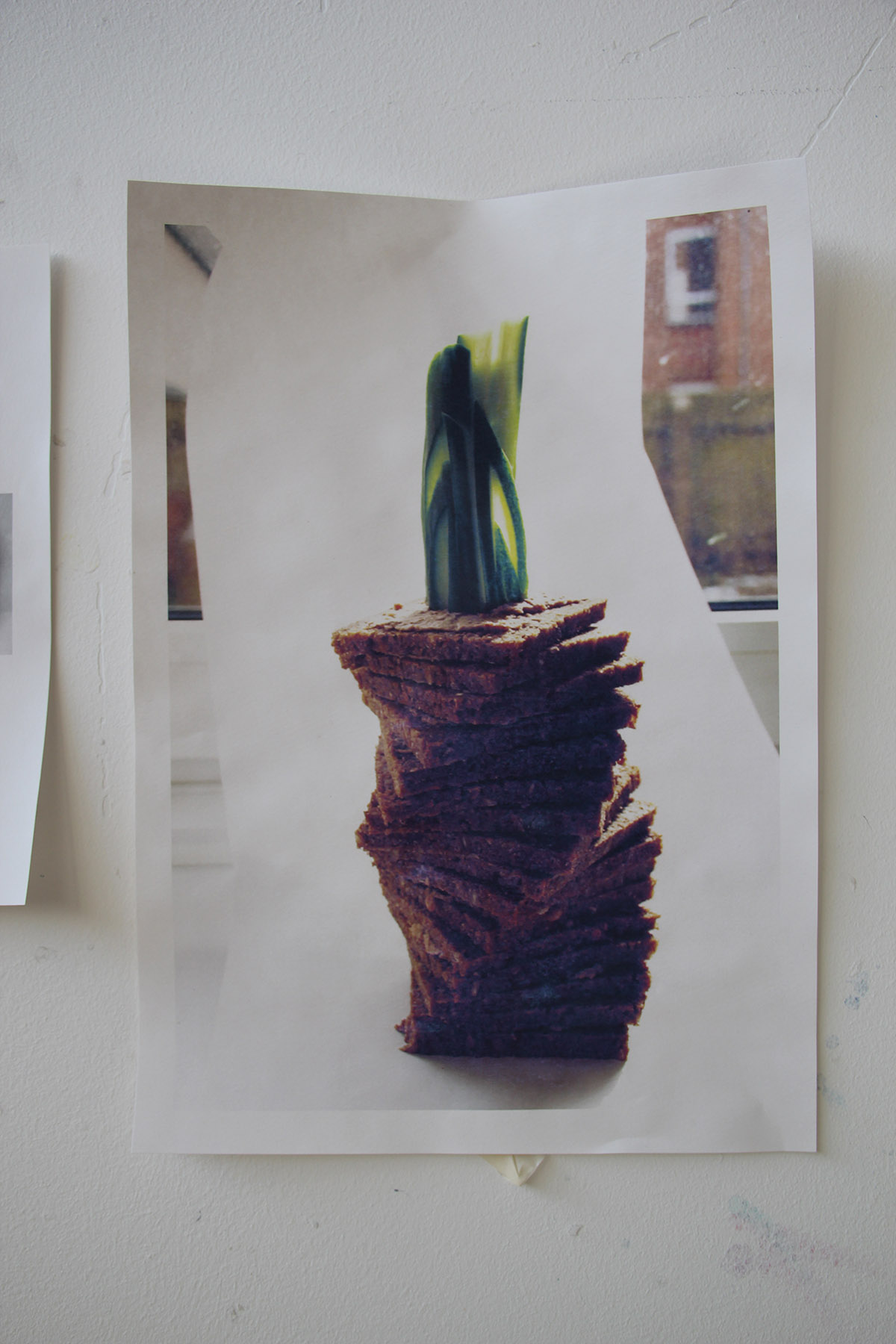
In 2013 I was invited to curate the graduation show for Kolding School of Design, one of the two national design academies of Denmark. For the humane and almost motherly character of the school and the fact that I dislike events of this type that serve the institution more than its students, I decided to align the project with the individual graduates and their outlooks at this moment of setting out into their careers.
In an initial workshop, I asked how they each wished their practices to develop once outside the frame of the school. From this, there emerged a number of different “wills” or “temperaments” that I felt characterized the designers more accurately than any piece of their production.
These temperaments became the curating structure. In KRYDSNING (crossing), projects were shown that took up conflicts of all sorts. RADIUS grouped works that aimed at expanding practical reach, in technique or method or technology. FUNDAMENTET (the foundation) showed projects that set to examine basic concepts, conditions or mechanisms, such as infrastructure, tradition, perception, construction of identity etc. VÆLD (abundance, overflow) joined work that proposed for a sensory dealing with the environment.
To defy the historical and physical mass of Koldinghus museum and let the releasing experience for the students be one of their capacity to change, we built the show together with the fourty-five of them, in as big a scale as we could muster during a two-week construction camp that used a mere 8.000 Euros for equipment and material.
Curating, design, technical planning and production, 2013.
-
Holmas Table
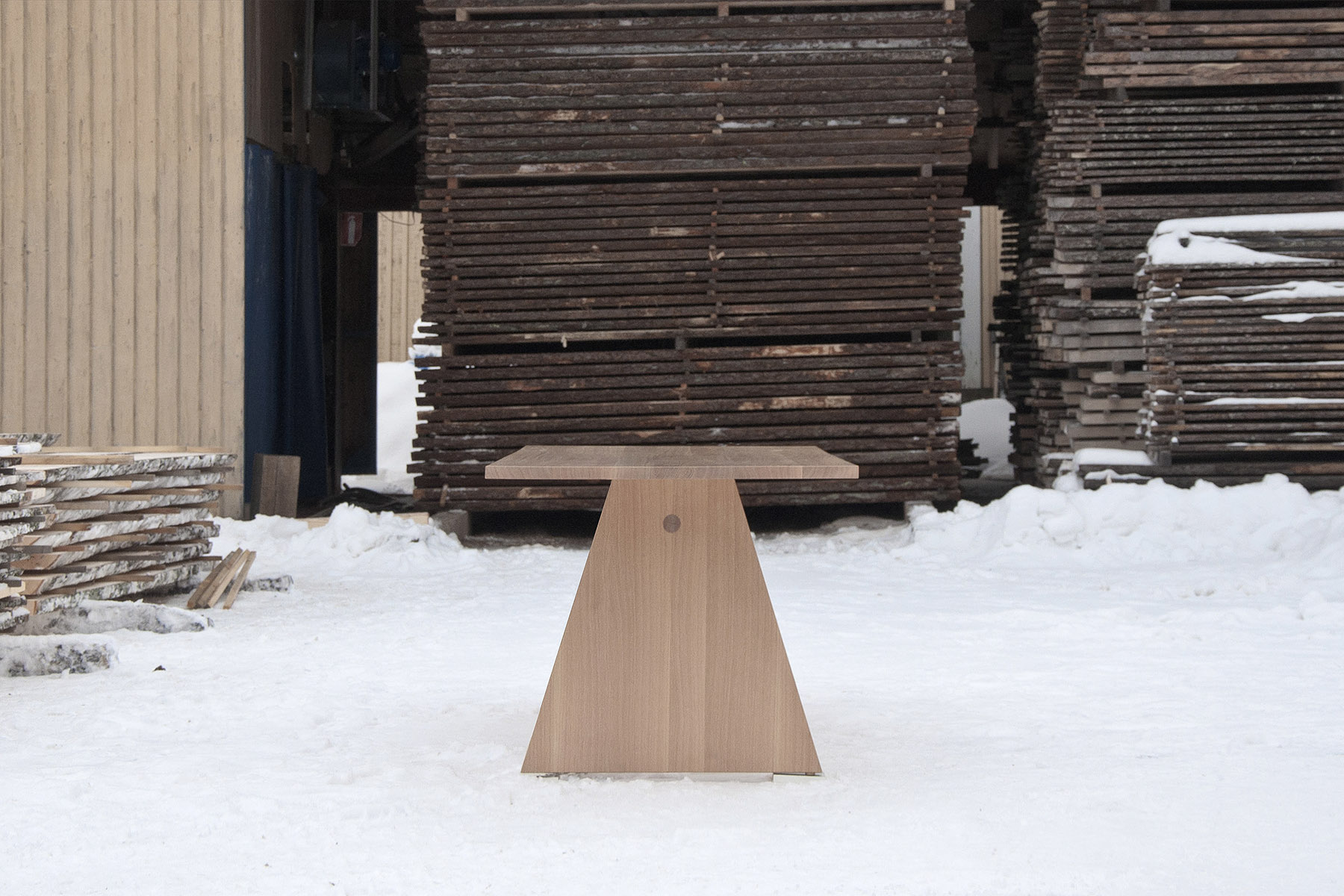
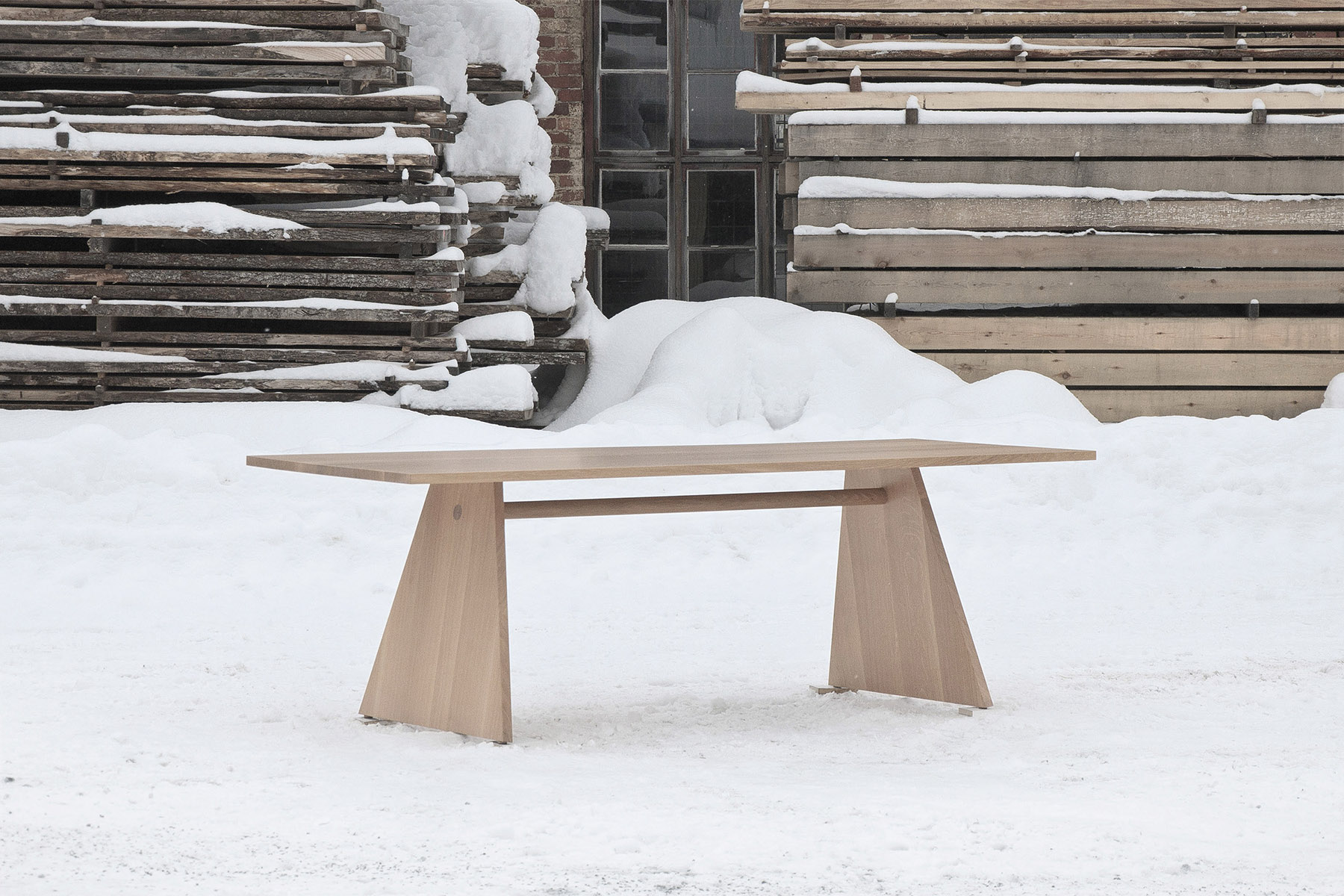
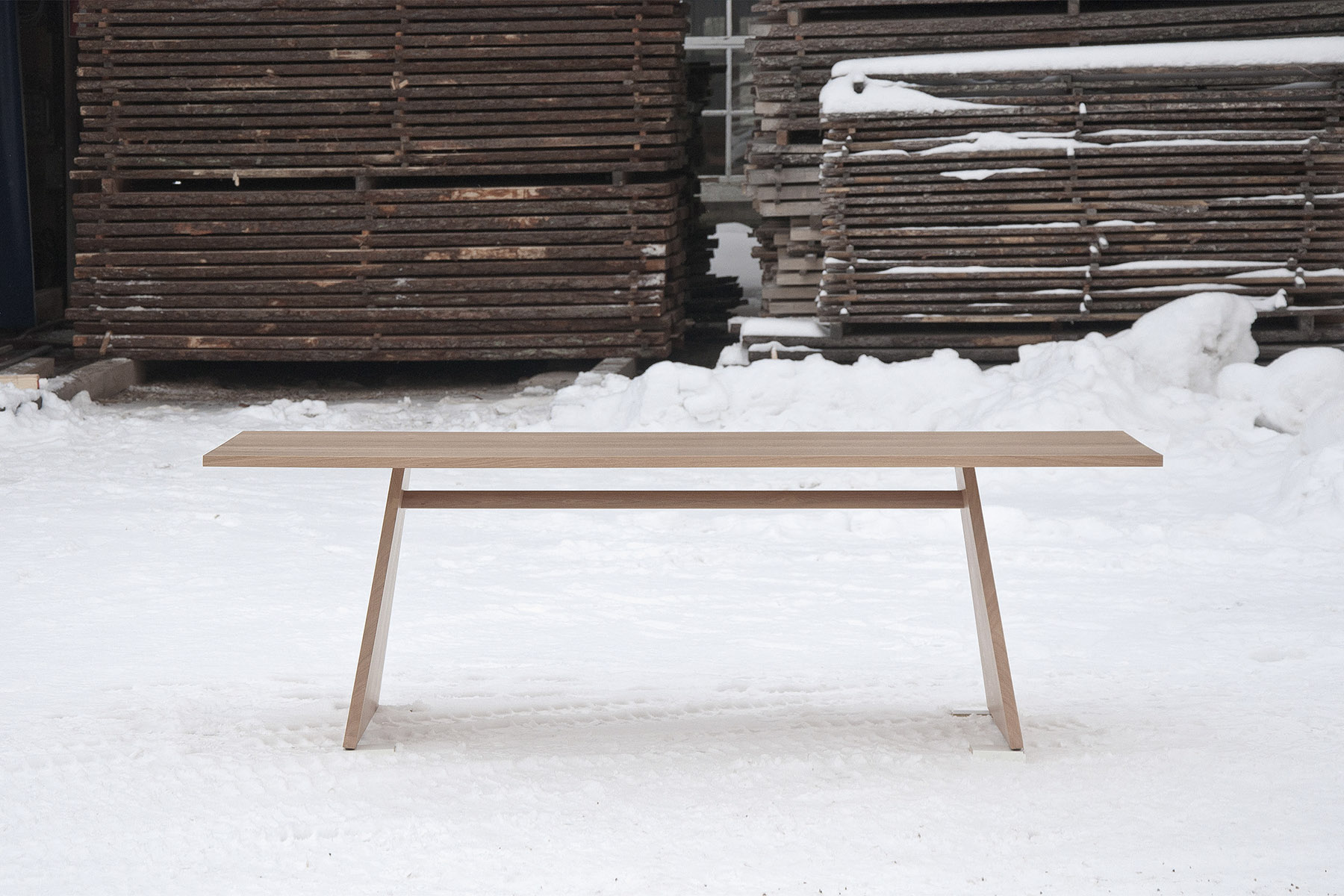
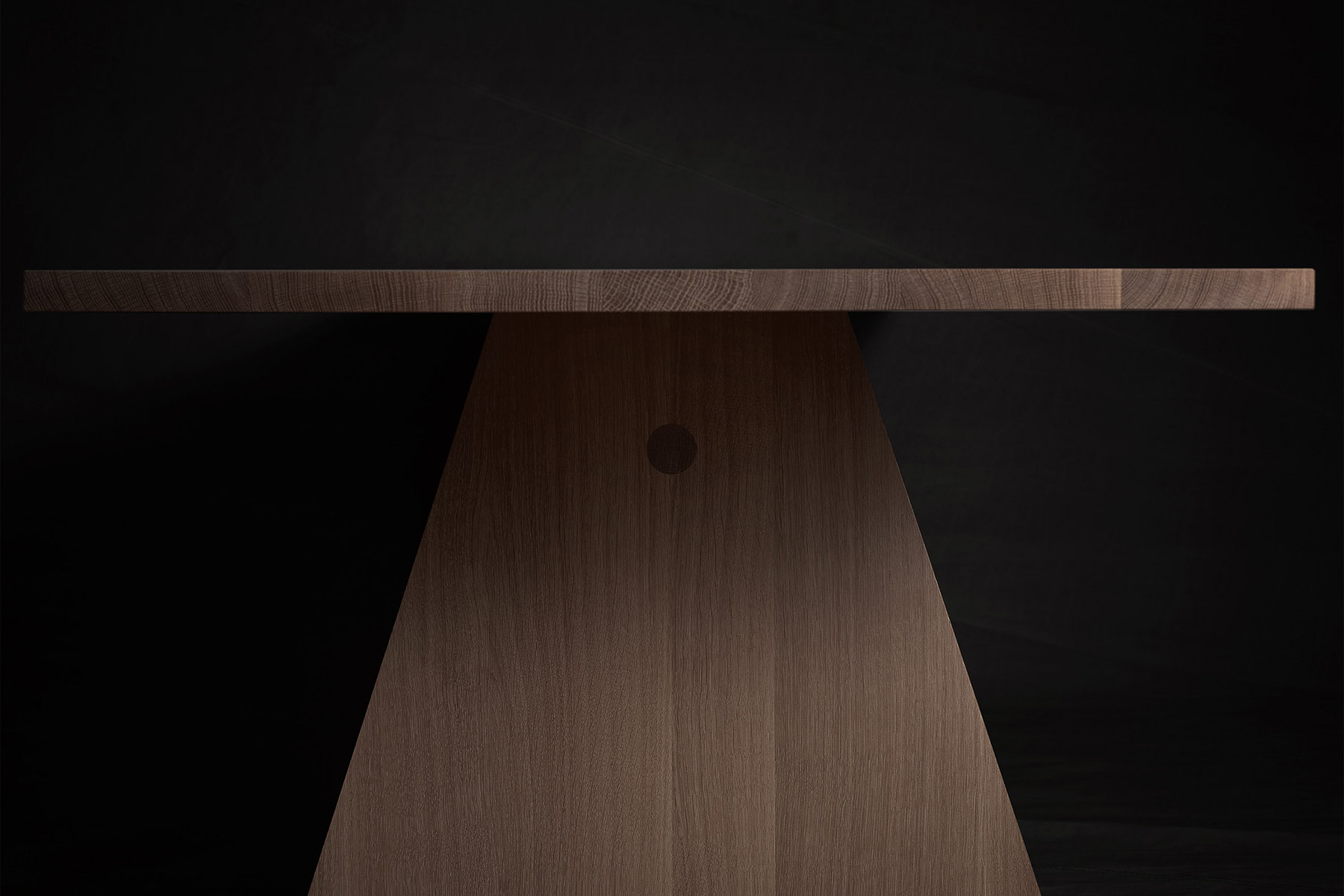
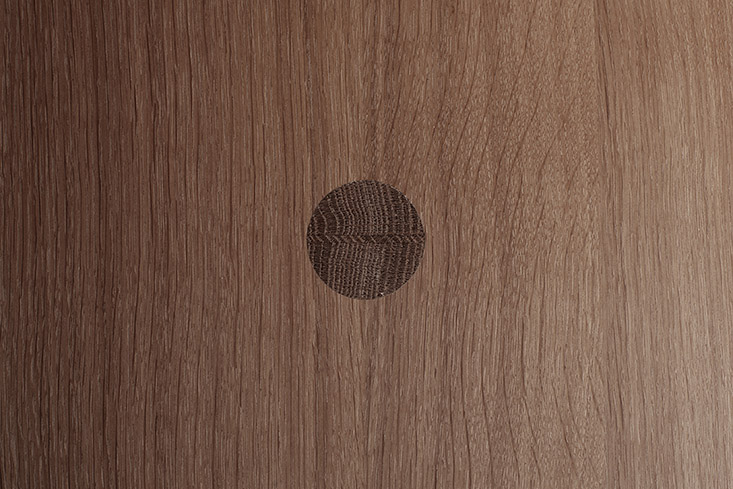
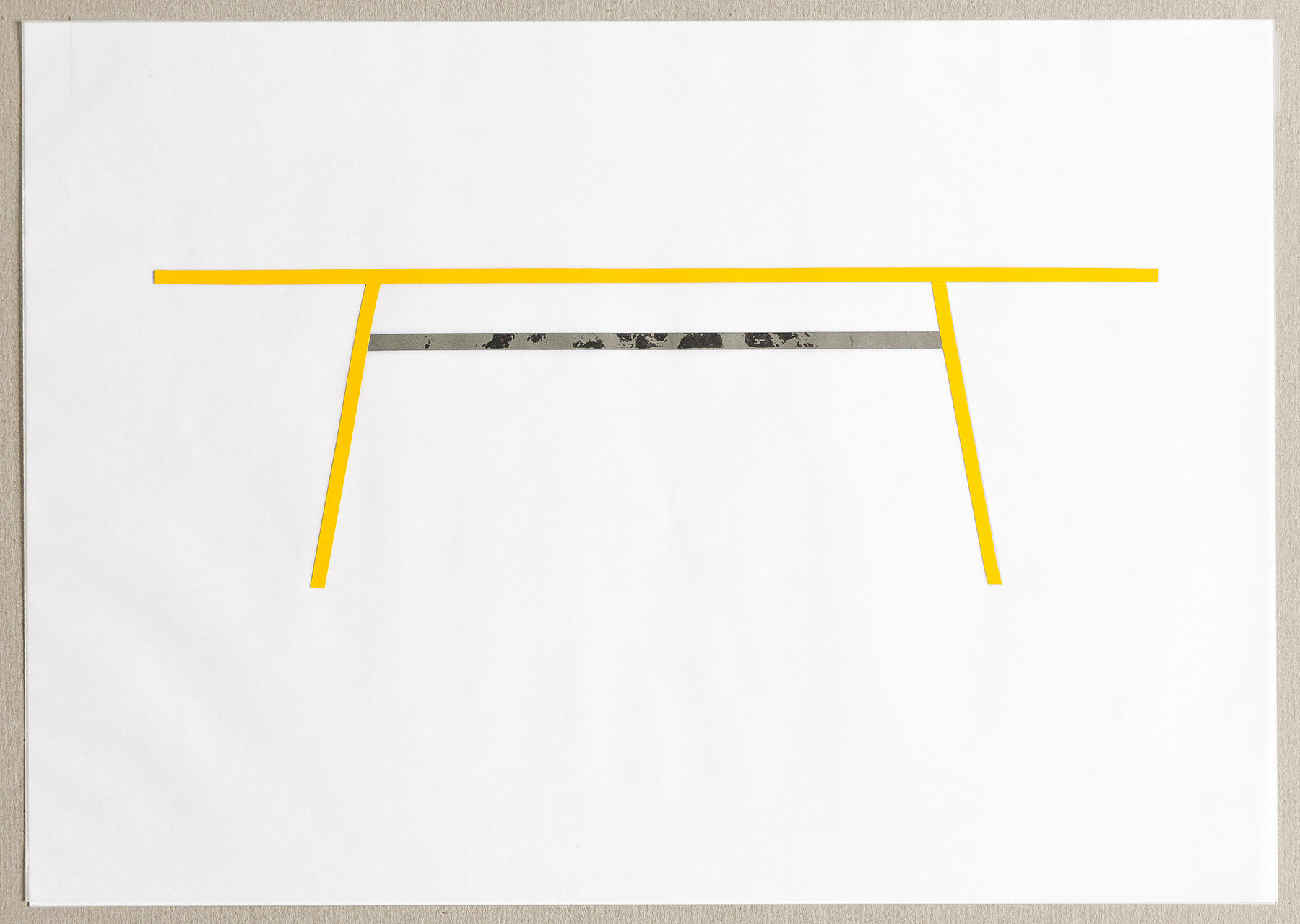
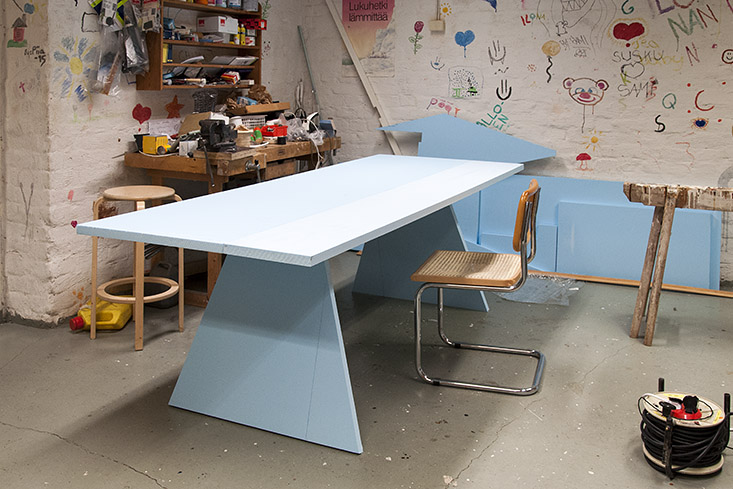
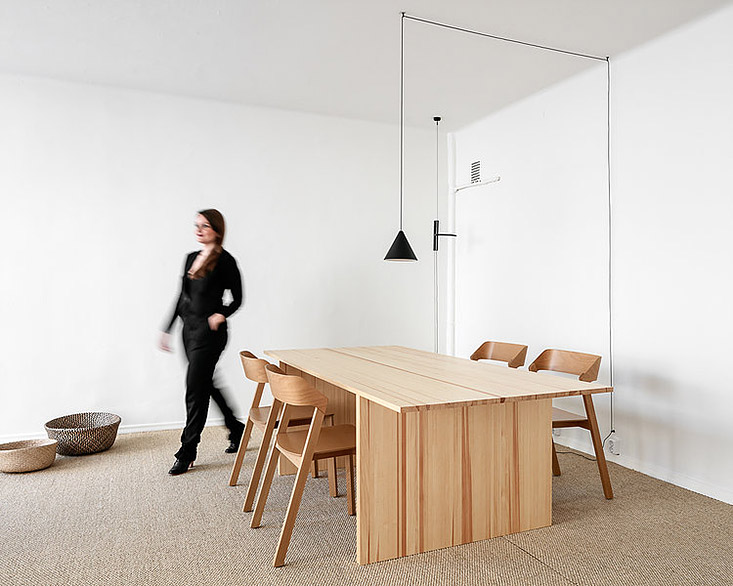
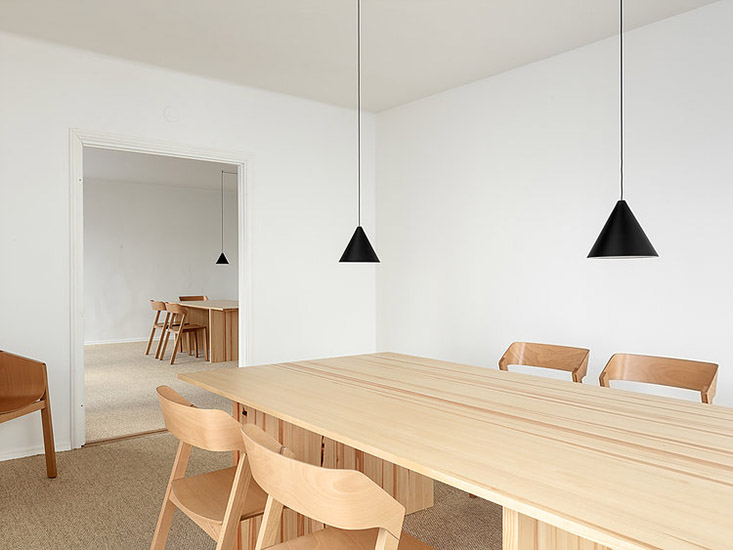
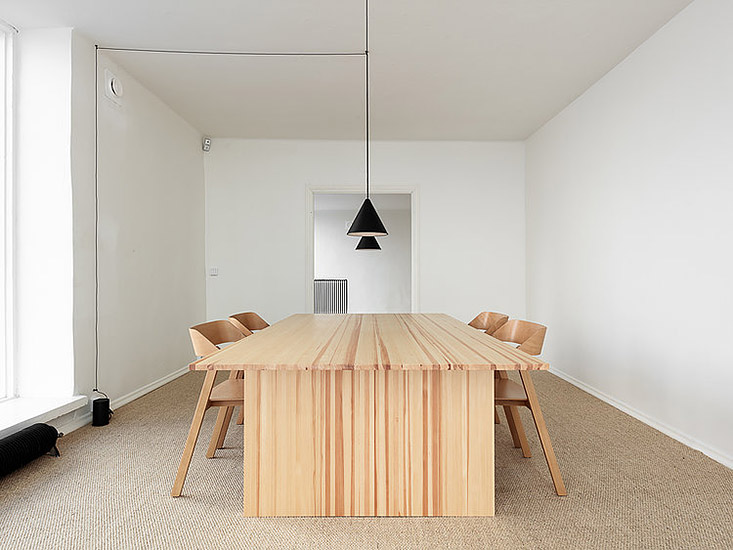
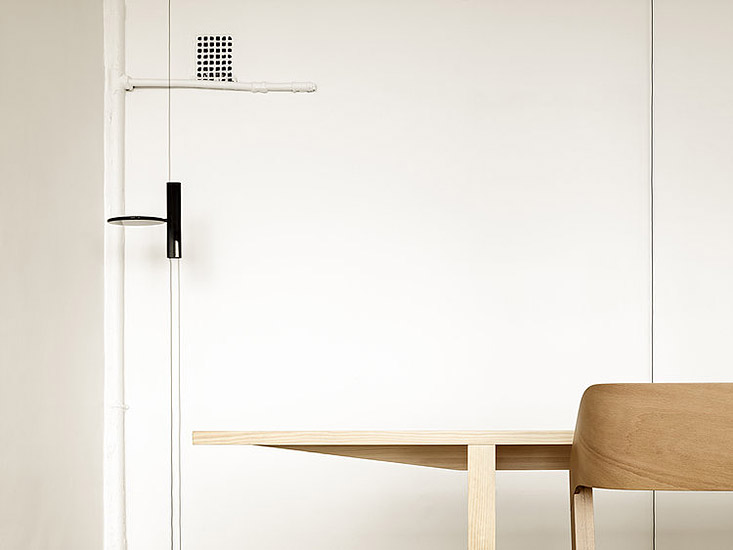
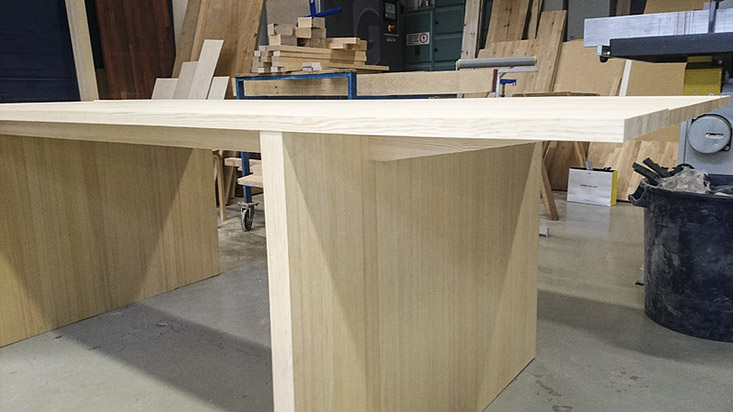
I got the commission to design a table for a private client who wanted to accompany it with a group of Hans Jørgensen Wegner’s CH24 chairs. For much of the strength of Wegner’s work stems from his training as a cabinet maker, my interest was in how I could reply to his joinery from a background in totally different things. I drew the table in a basically 2D shape that relates to the industrial saw mill and otherwise to a relatively simple machine environment. The slab structure lets the eye walk off easily and occupies a space opposite of Wegner’s compositions, which it effectively complements. Related to Wegner’s idiom are the fine-tuned angles of the legs that reveal a silent but complex dynamic when one moves about the piece.
Oak, 2013. Production Petri Koivusipilä.
-
Polite Light
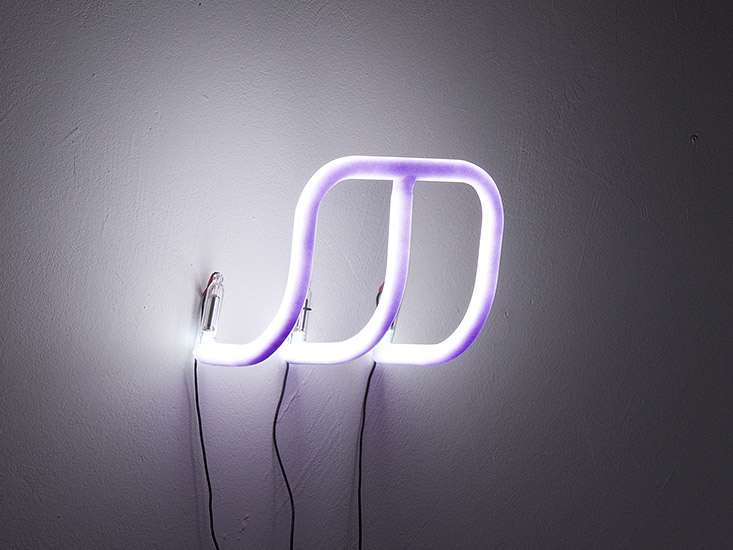
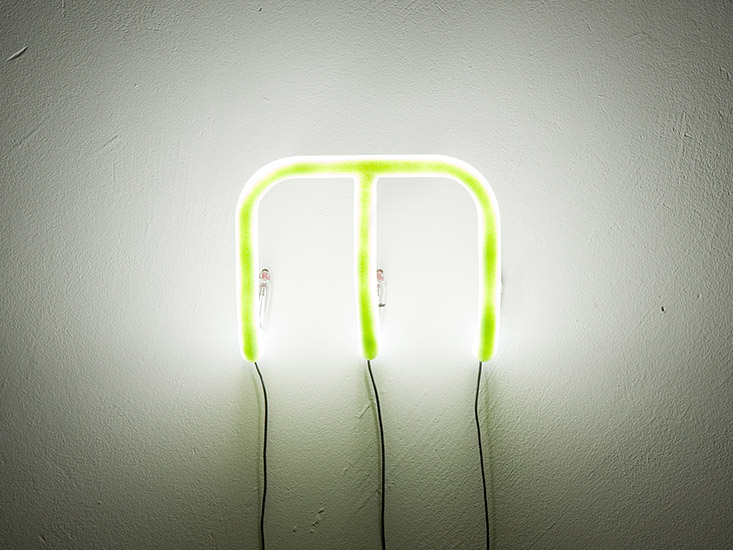
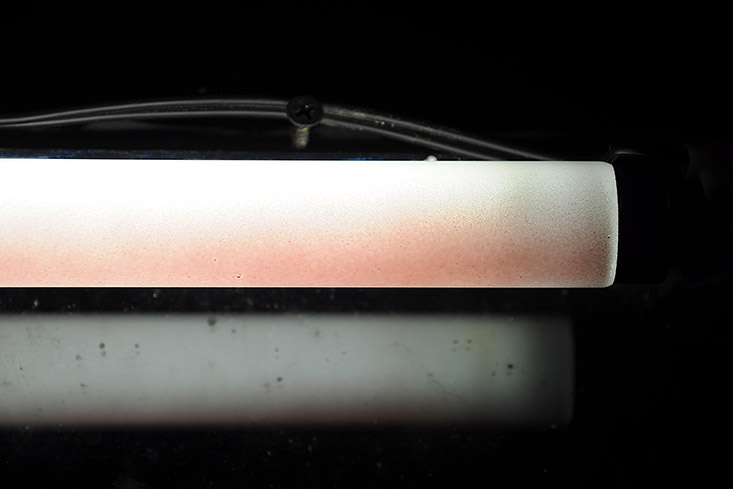
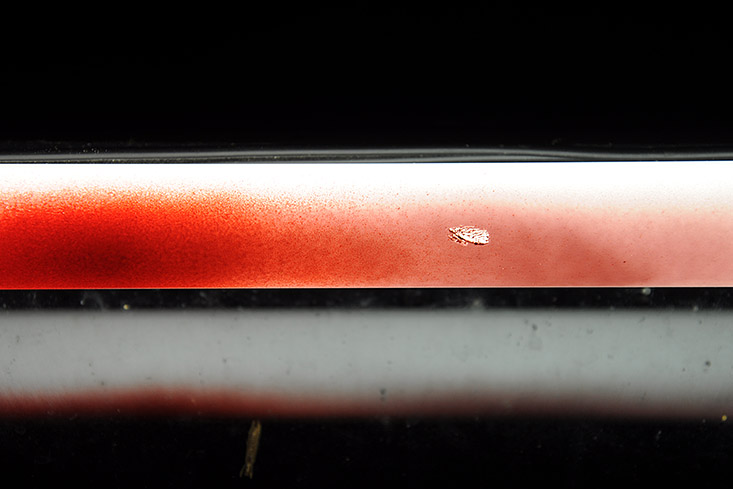
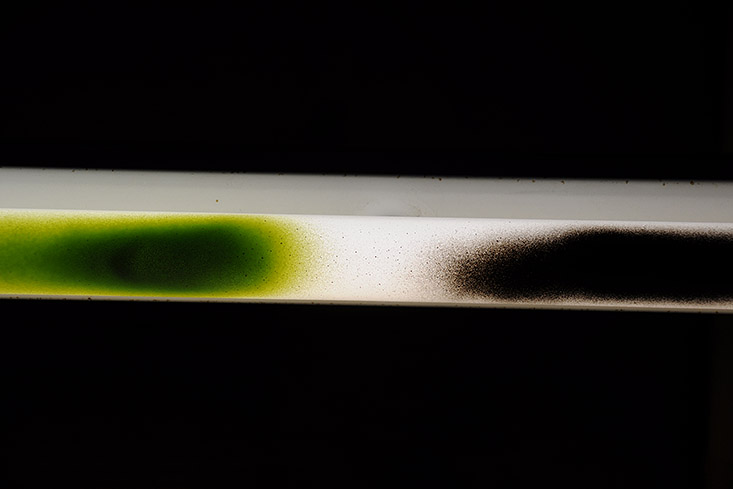
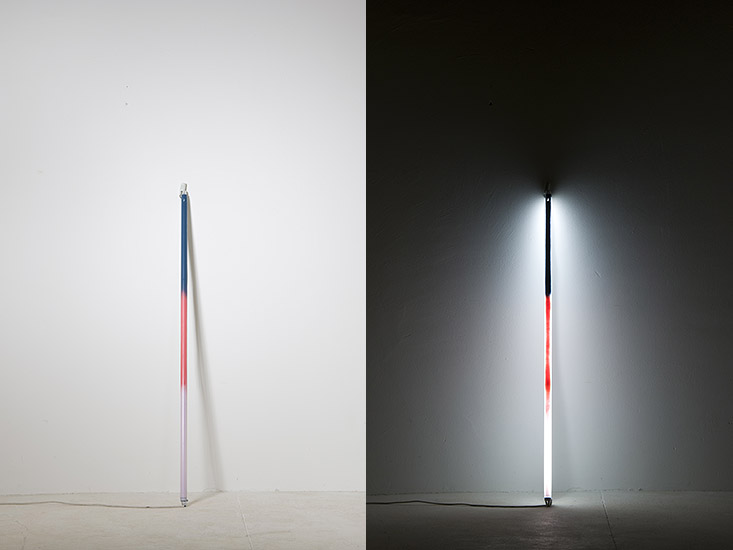
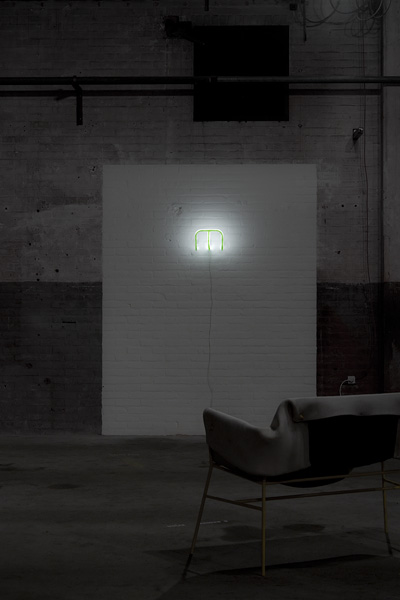
In this light no hard material is used to shield off glare, only a spraying of paint where the light should not pass. Driver electronics were modified to allow for building a circuit that has three cathodes instead of the usual two for a more voluminous object.
Fluorescent light, spray-paint, electronics, 2010.
-
Remote Material of Implication
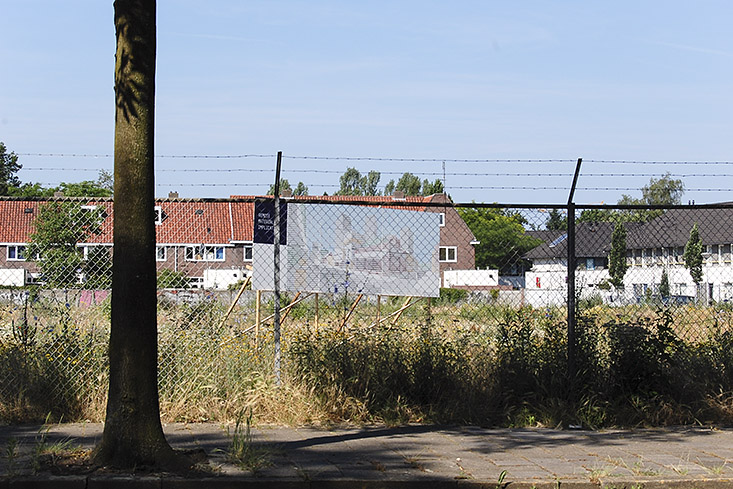
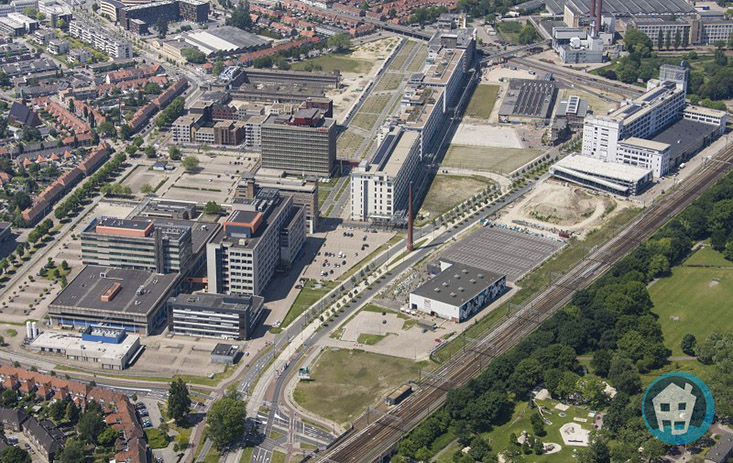
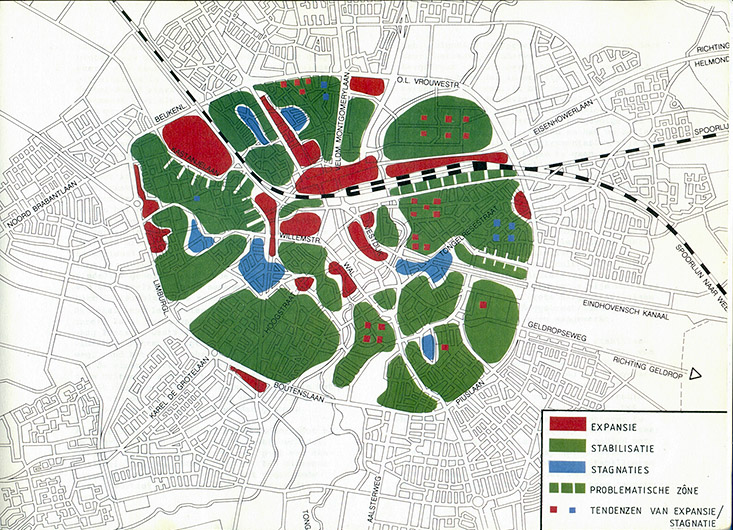
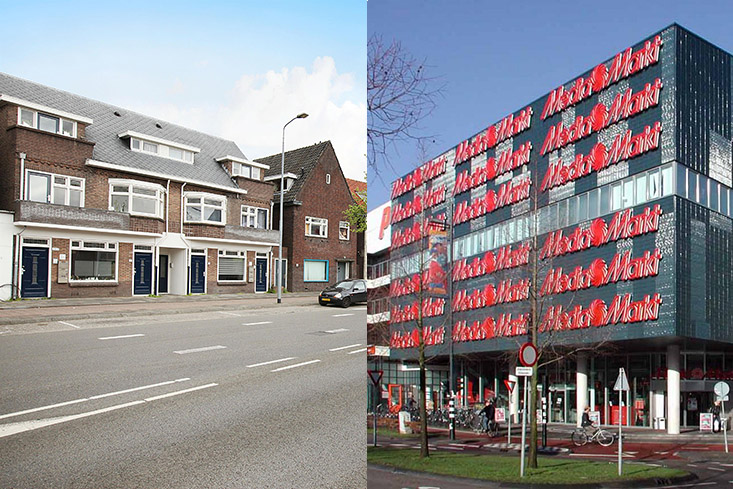
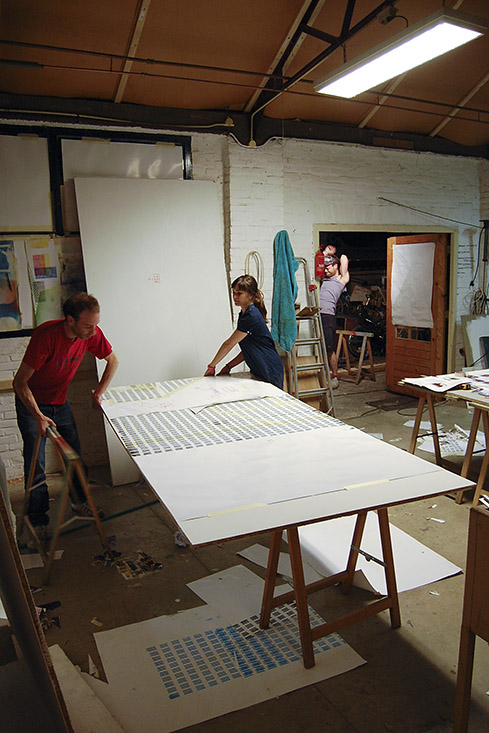
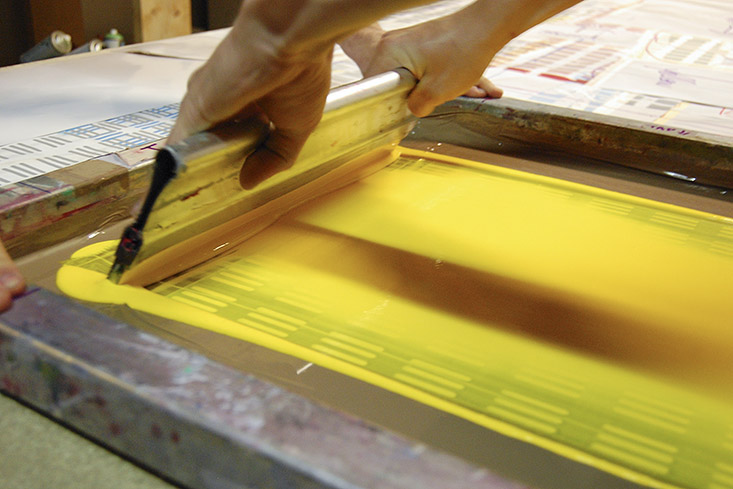
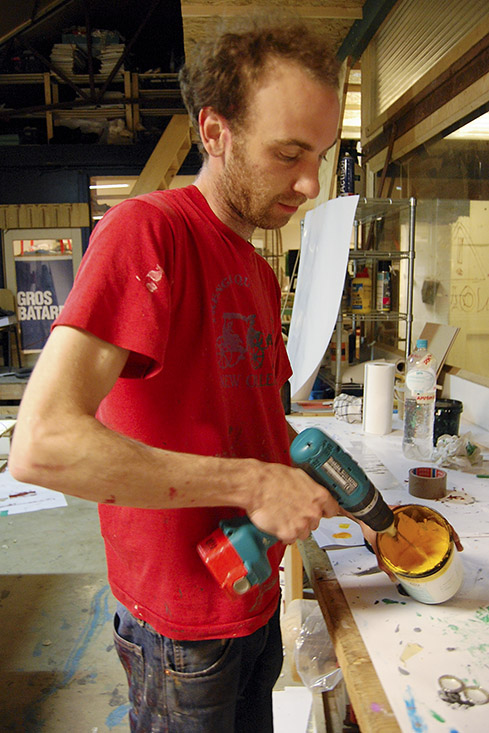
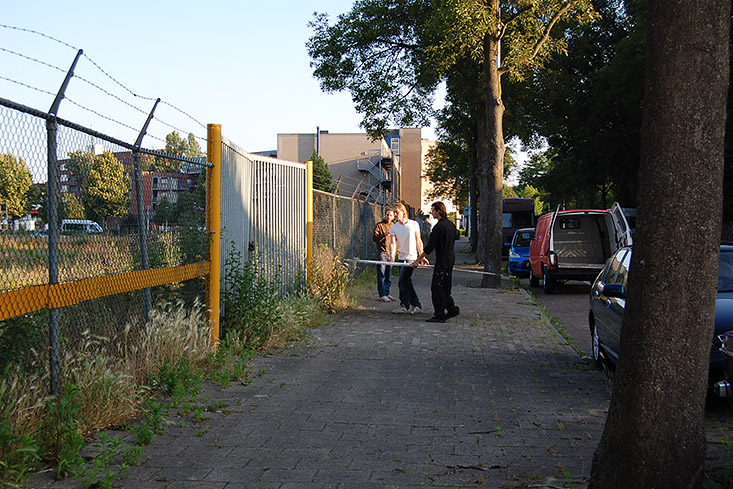
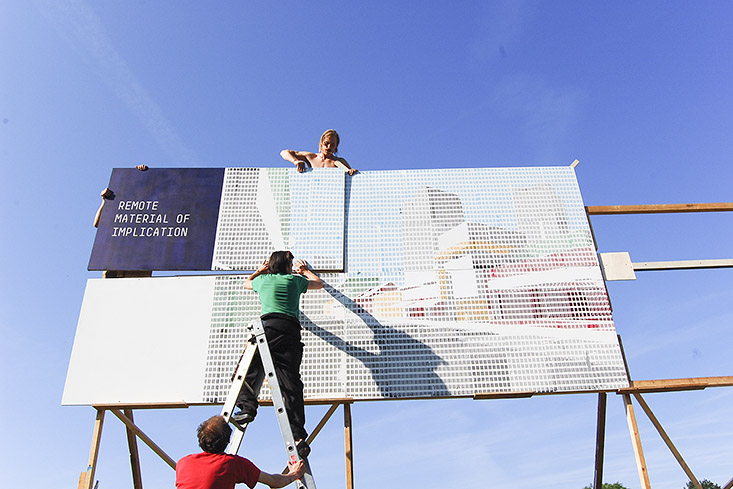
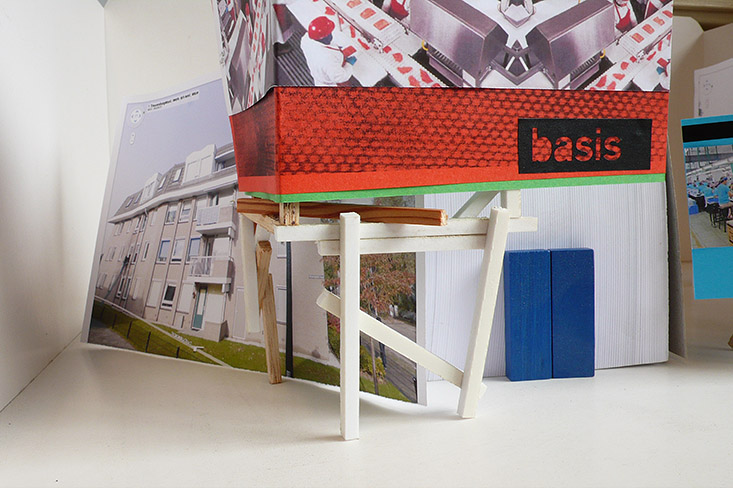
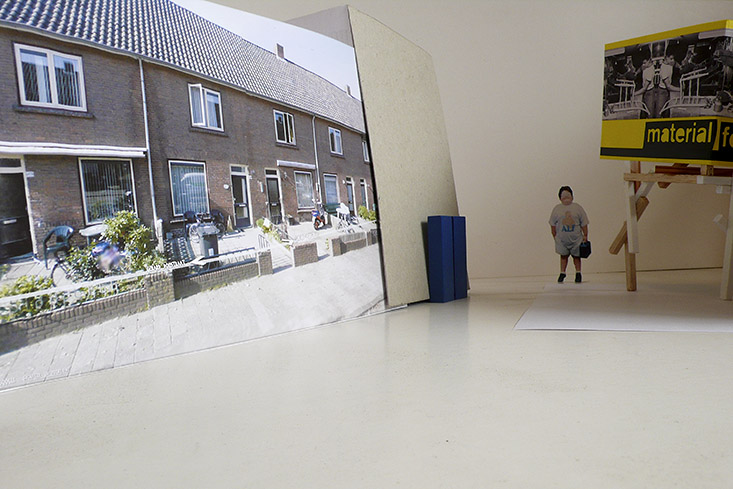
For the Van Abbemuseum’s 2010 Architecture Day project Instatements we were asked with our studio to present a position on how cities should address the evacuation of former industrial sites in their centers. We found that it is not only the industry that is leaving from the city, but all various sorts of transformative, manipulative, work. Our paths most likely oscillate between home and the centers of shopping and leisure, between which work is the bridge, and as production becomes increasingly remote and obscure, we find fewer and fewer workshops that can fix electronics or repair broken chairs. This polarity is the urban installation of the consumer model.
To evoke the idea of a city in which production and manipulation have equal part among dwelling and commerce, we produced a bouwbord, a construction billboard, by hand and installed it in a brown-field that was at the time subject to “development.” The appropriation of this structure that usually heralds the end of a capital-driven decision process was thus made in a process that stemmed less from
(re-)production and more from manipulation, from a tweaking of tools and re-purposing of material that must be stimulated if the citizen is not to degrade into a user.Contribution to Instatements, an exhibition on the future of the post-industrial city, 2010. Support structure and billboard
(W 7m × H 5m) with silk screen print in seven colors, accompanying documents. Instatements program curated by Clare Butcher/Van Abbemuseum Eindhoven and Uri Ben-Ari, presented on occasion of the Dutch Day of Architecture 2010. Exhibition catalogue published by Van Abbemuseum, Eindhoven. With Pierre Tectin, Garance Echazarreta, François Dumas, Gero Asmuth, Erasmus Scherjon, 2010. -
Kraken heeft Nederland vormgegeven
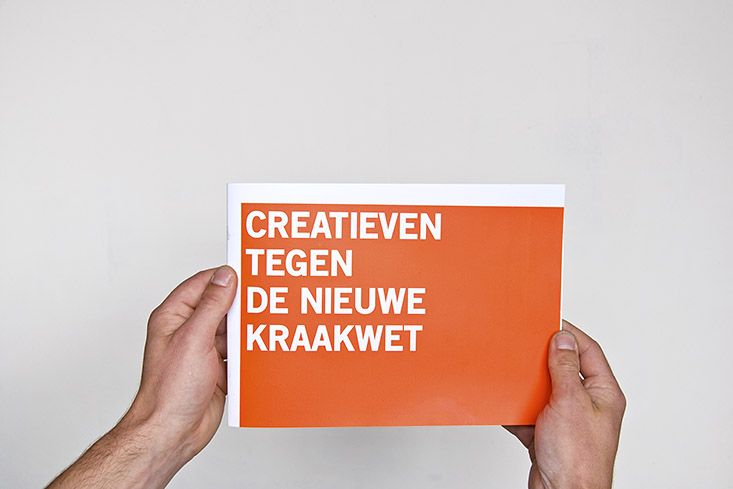
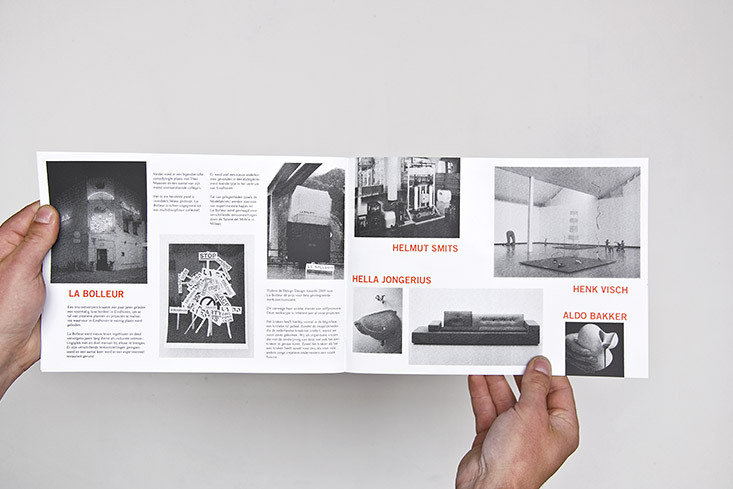
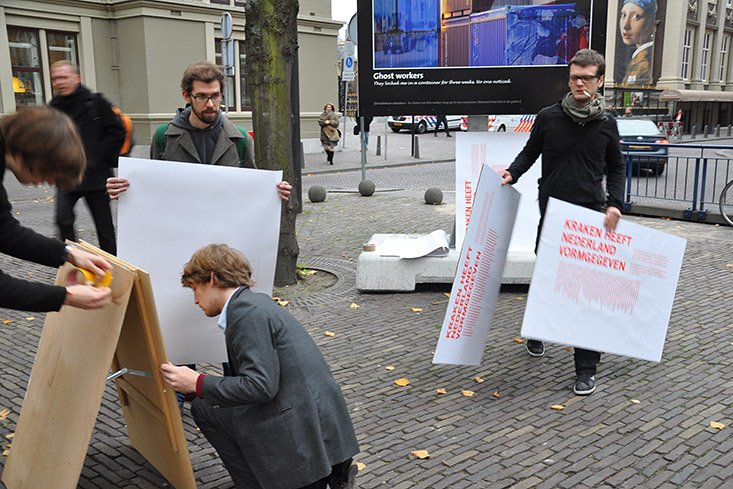
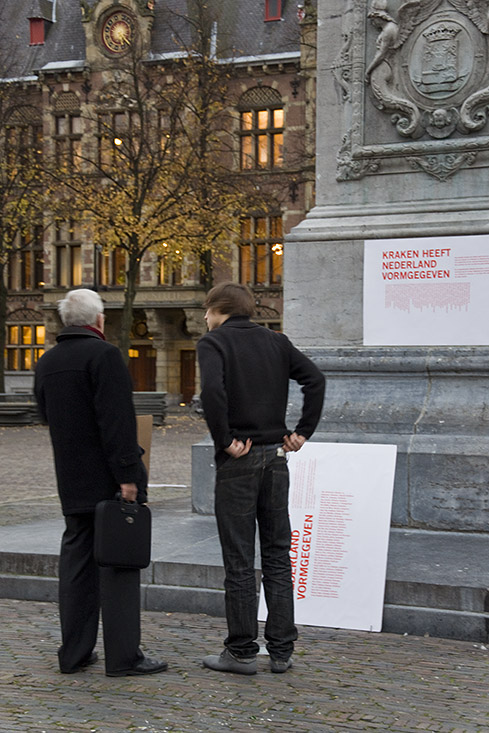
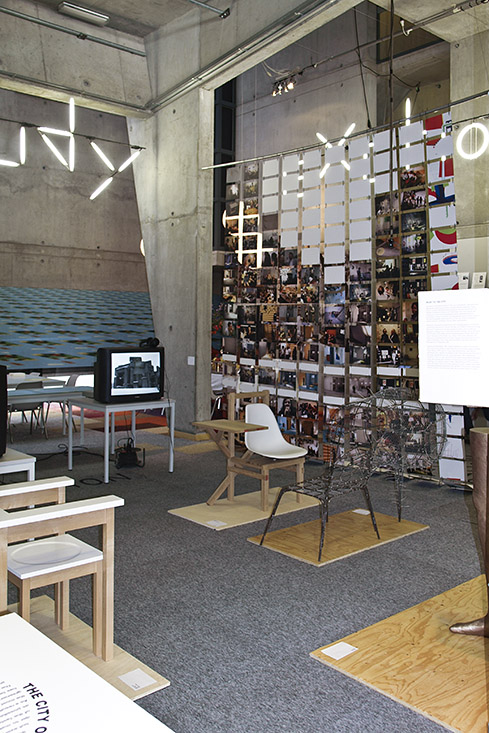
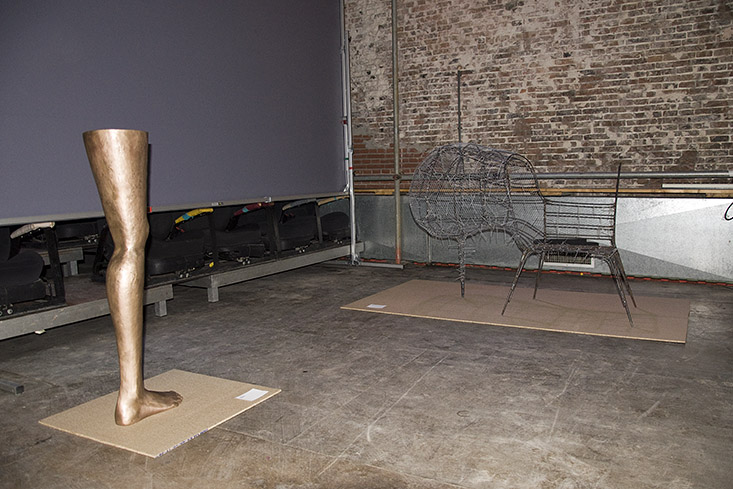
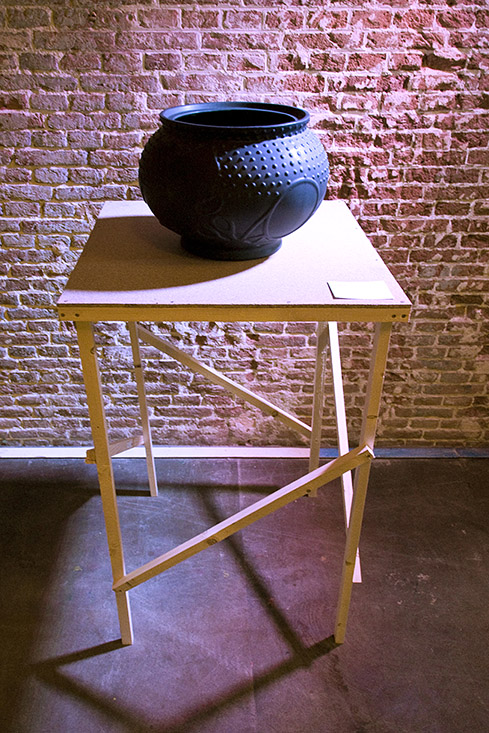
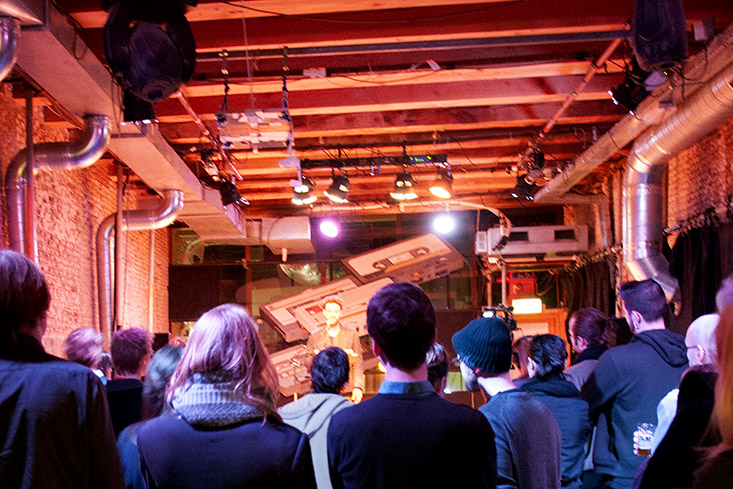
The Dutch Kraakwet was a unique expression of famed Dutch liberalism. Ruling that citizens may appropriate any real estate standing vacant for a minimum period, it helped mitigate the stress on an utterly overcrowded housing market. Particularly beneficial to creatives in search of production space, it also played a vital role in facilitating the large-scale manual research that characterises the Dutch creative output of the last decades.
When the law was put up for debate in 2009, public discussion focused on instances of misuse while no due was paid to its place in the biographies of the designers, artists and architects with whose success the country has been priding and strategically promoting itself since the 1990s.
Since I had been fortunate myself to find my workspace through the conditions set in and around the law, it felt incongruous to me that this dimension be omitted. I therefore launched Kraaken heeft Nederland vormgegeven to lift into view the perspective of creatives working in Holland.
The initiative instantly received strong support from many of Holland’s most prominent creators and institutions. It produced various exhibitions and worked with the media to demonstrate how large a portion of Holland’s creative scene indeed had found the framework to begin their careers in the disputed law. A book of collected statements by the supporters on their experience with the law as part of their work biographies was given to the Dutch Senate.
The Kraakwet was eventually sacked by the center-right government in 2010.
KHNLV was shown at the NAi Rotterdam as part of the Architecture Biennale 2009. It was publicised on in Dutch and international news media and specialised press and has since featured in Dutch urbanist discourse.
Kraaken heeft Nederland vormgegeven, lit.: “Squatting designed the Netherlands”. Various public and press activities, posters, book (silk screen print), 2009.
-
COA Discussion Platform
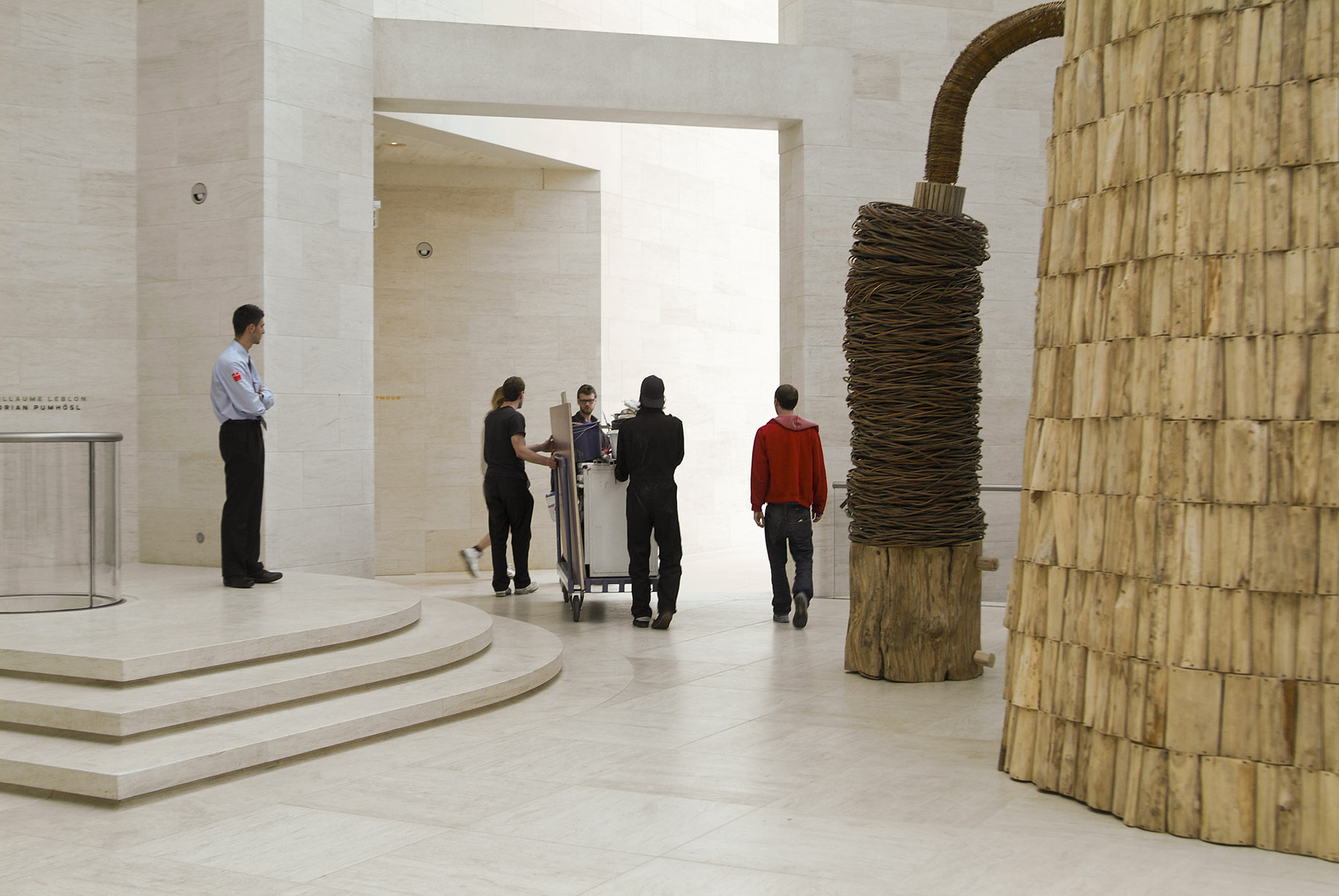
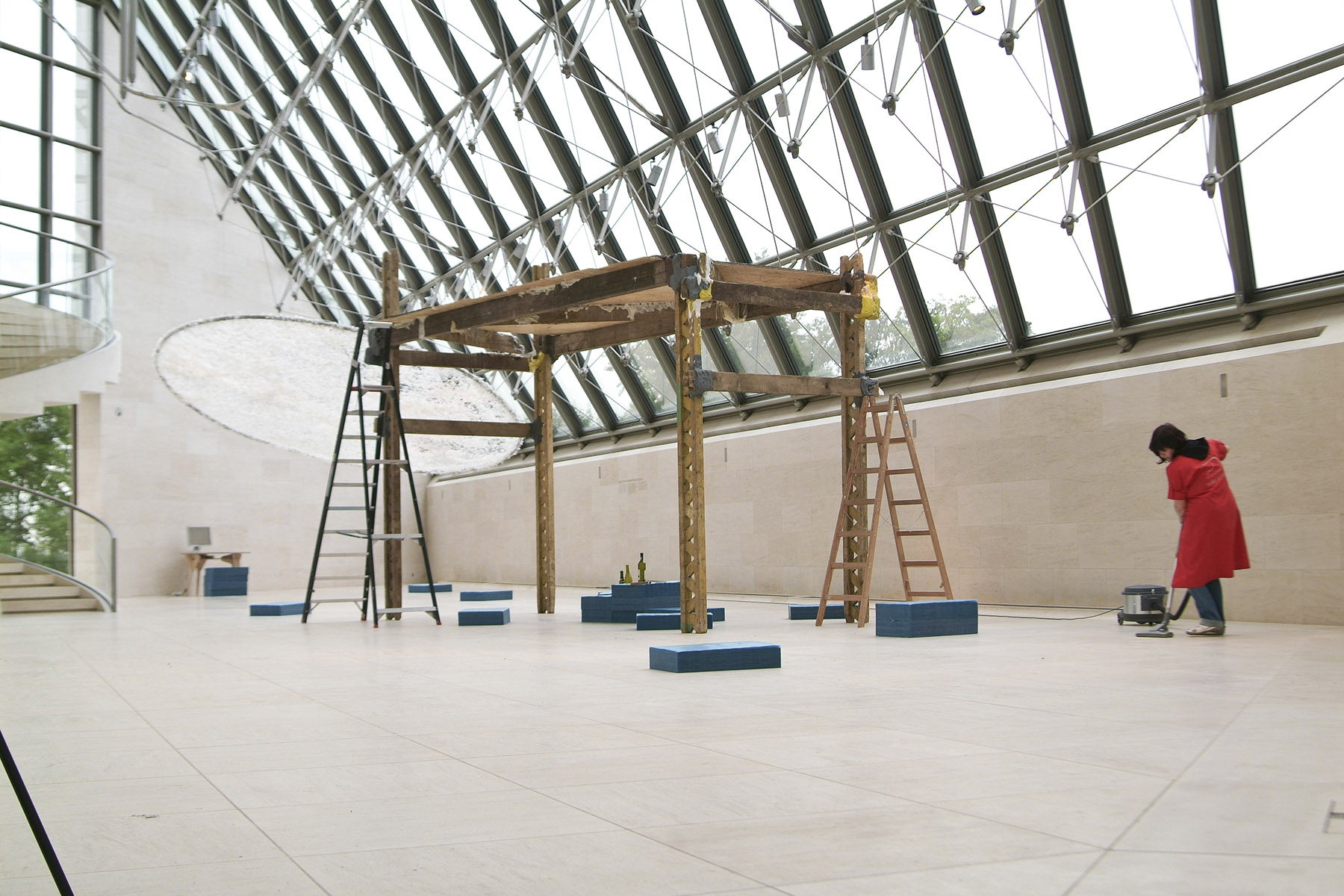
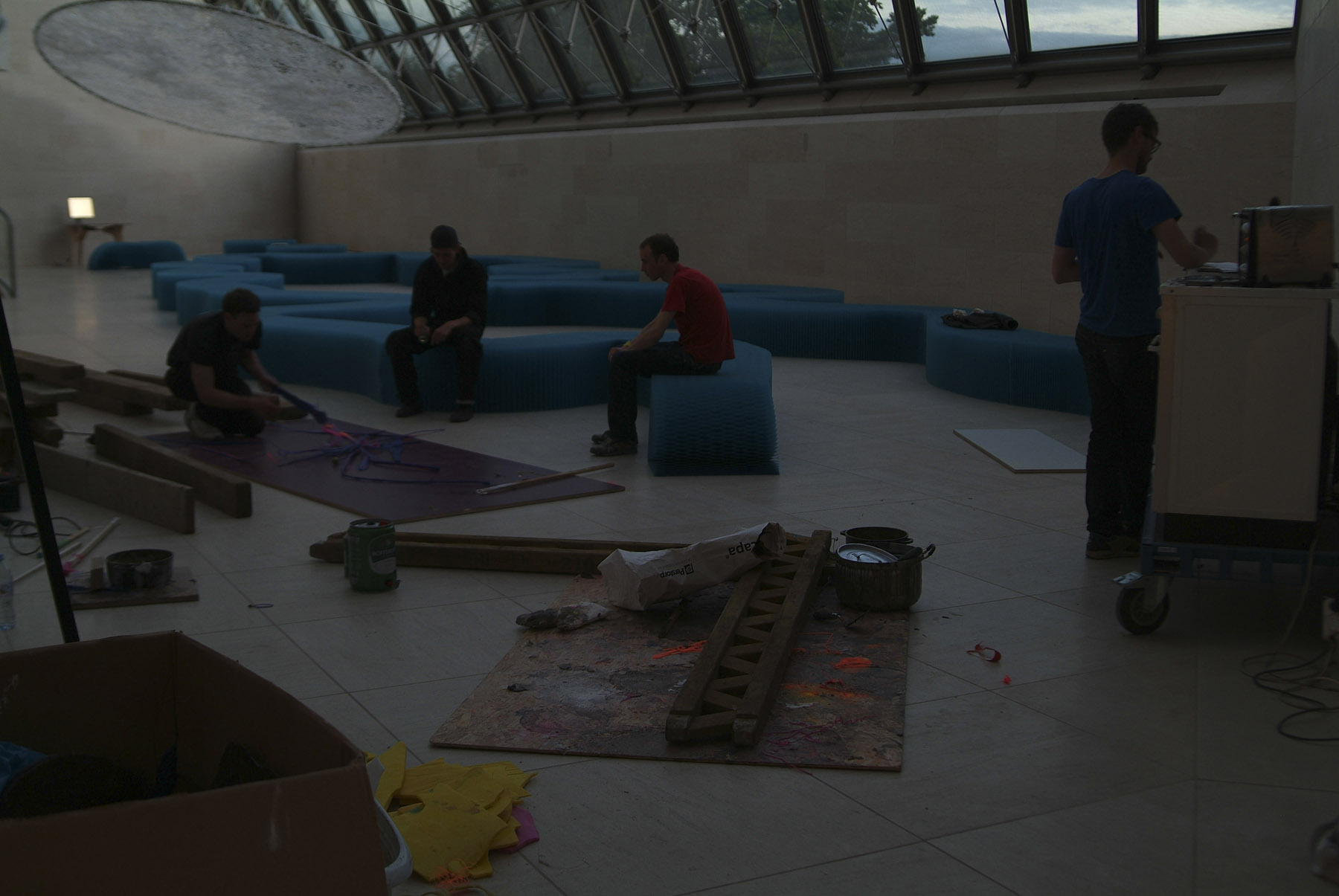
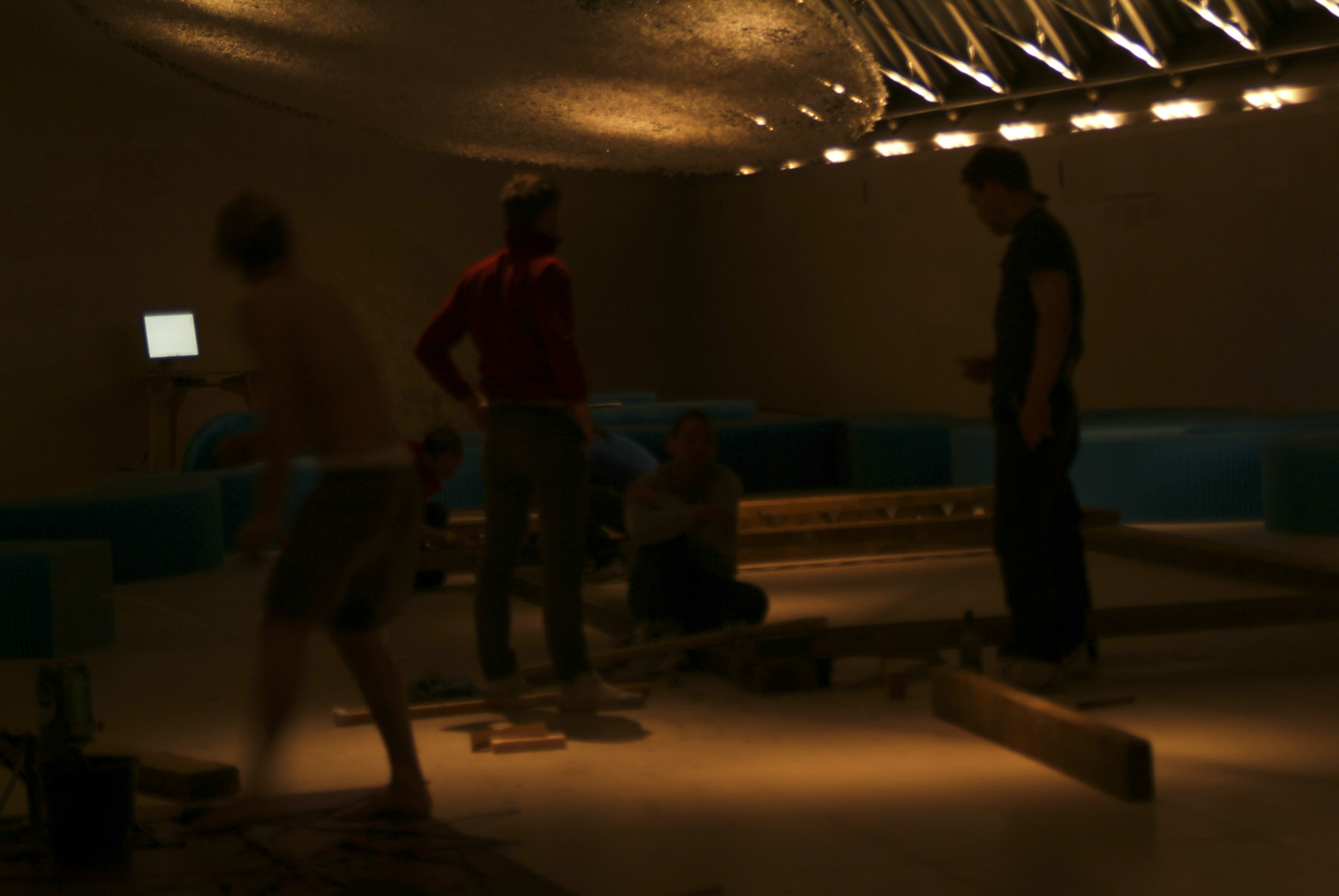
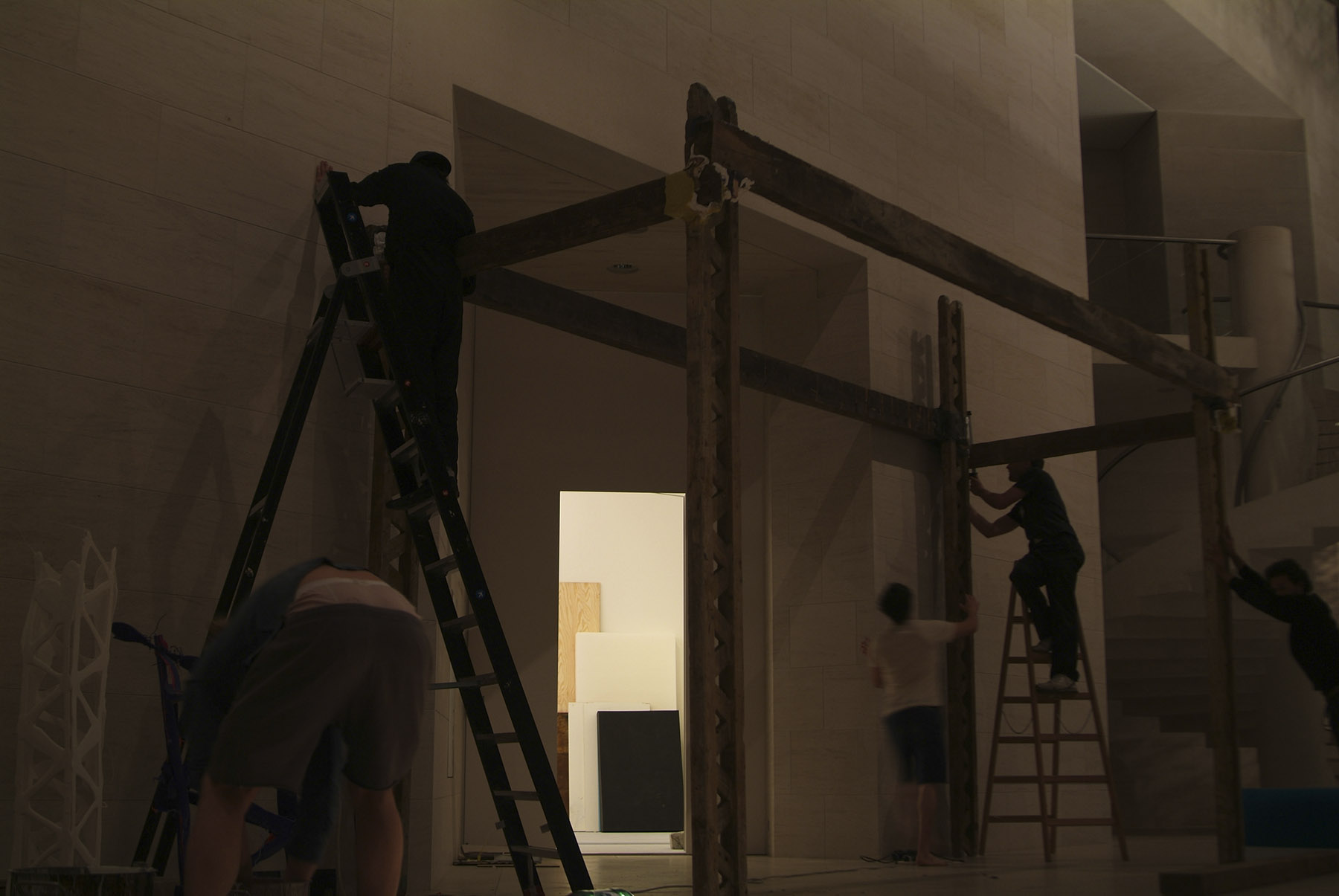
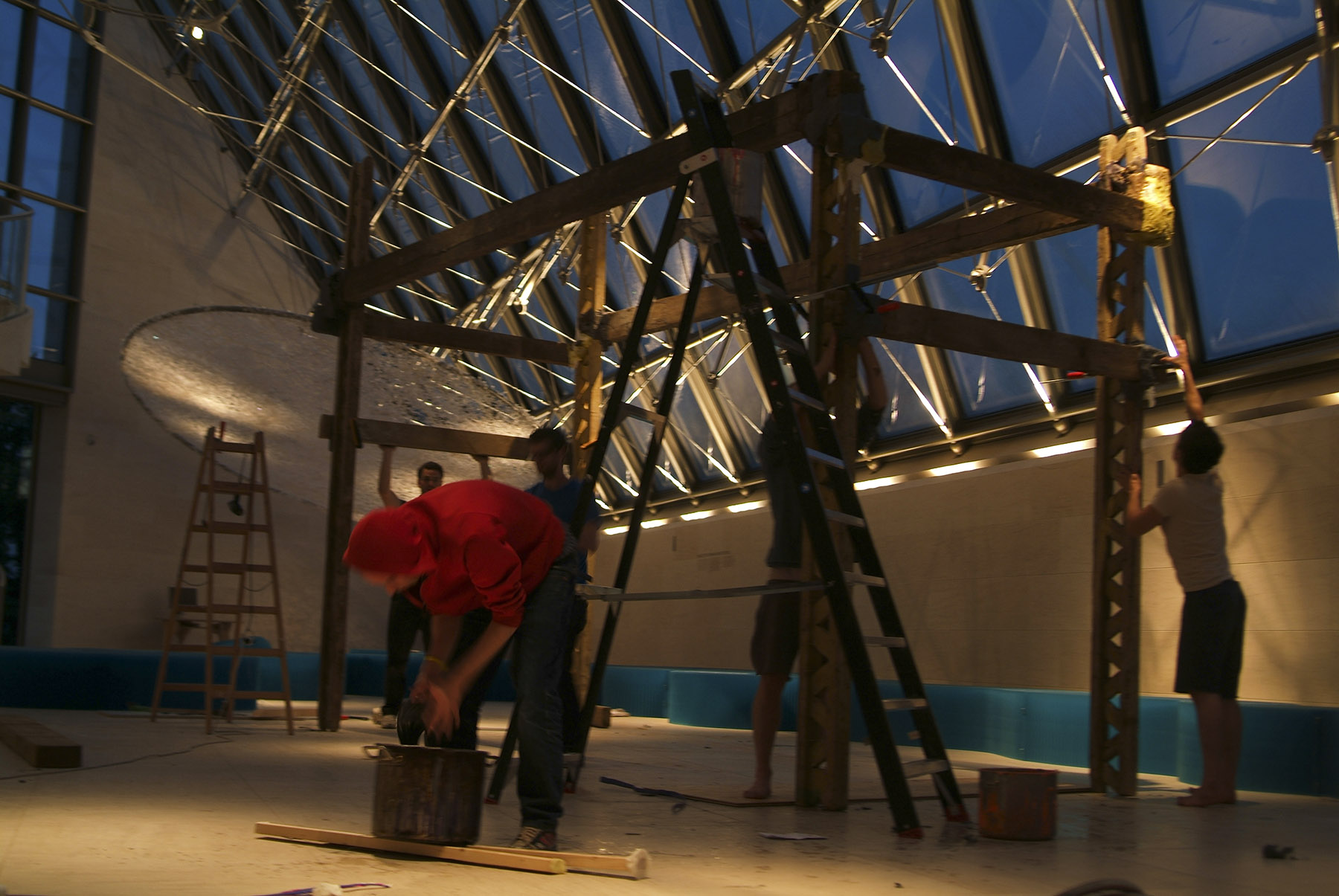
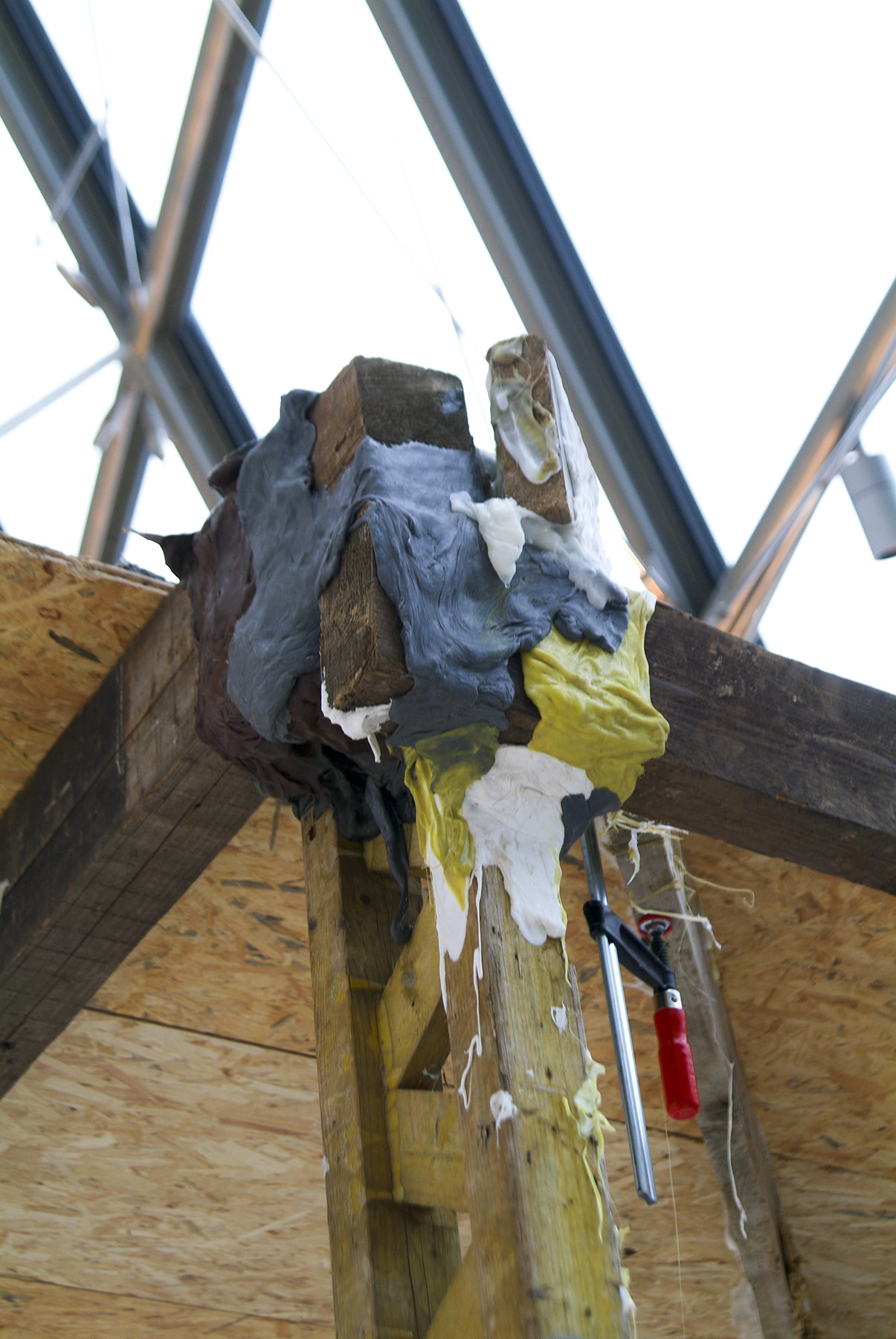
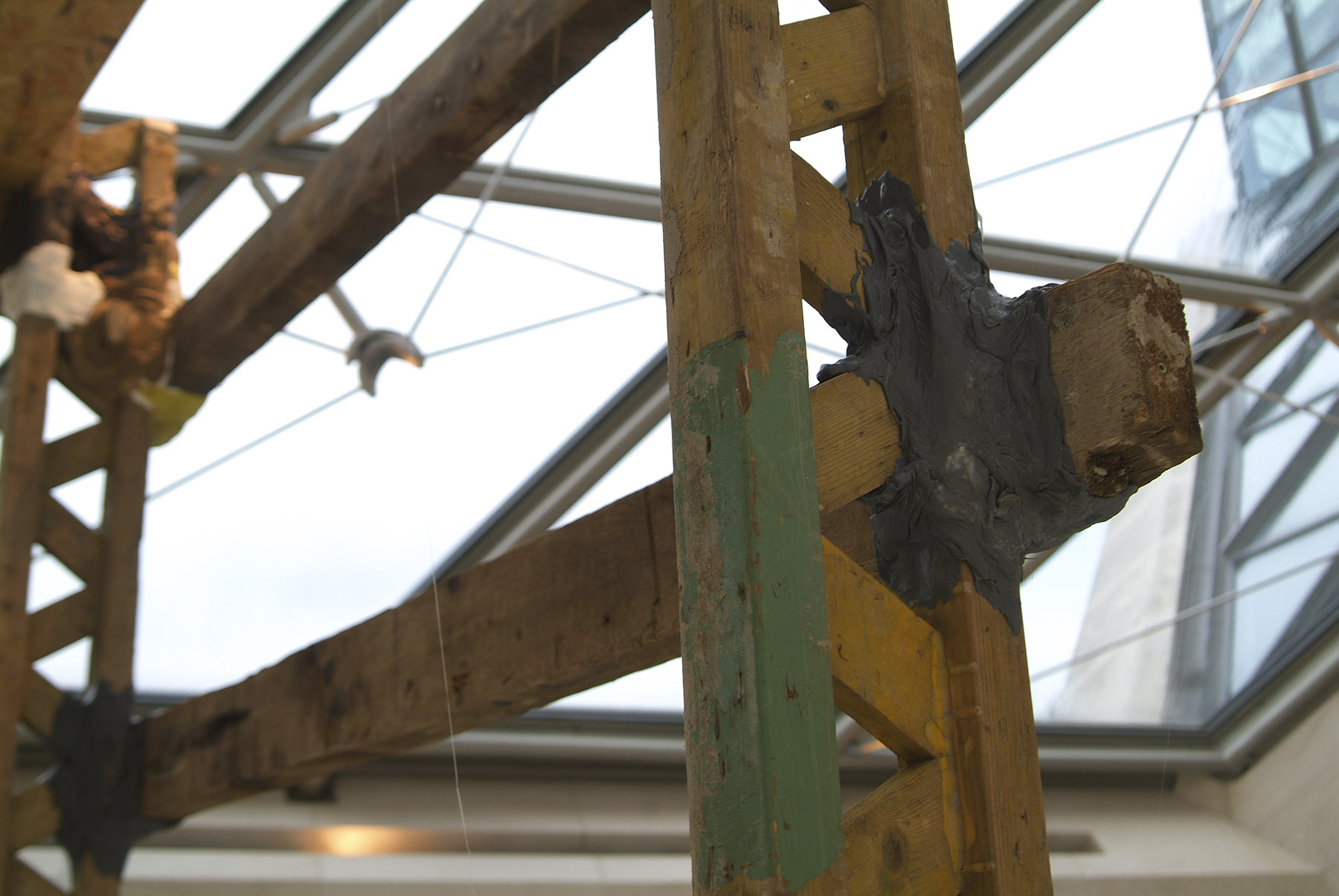
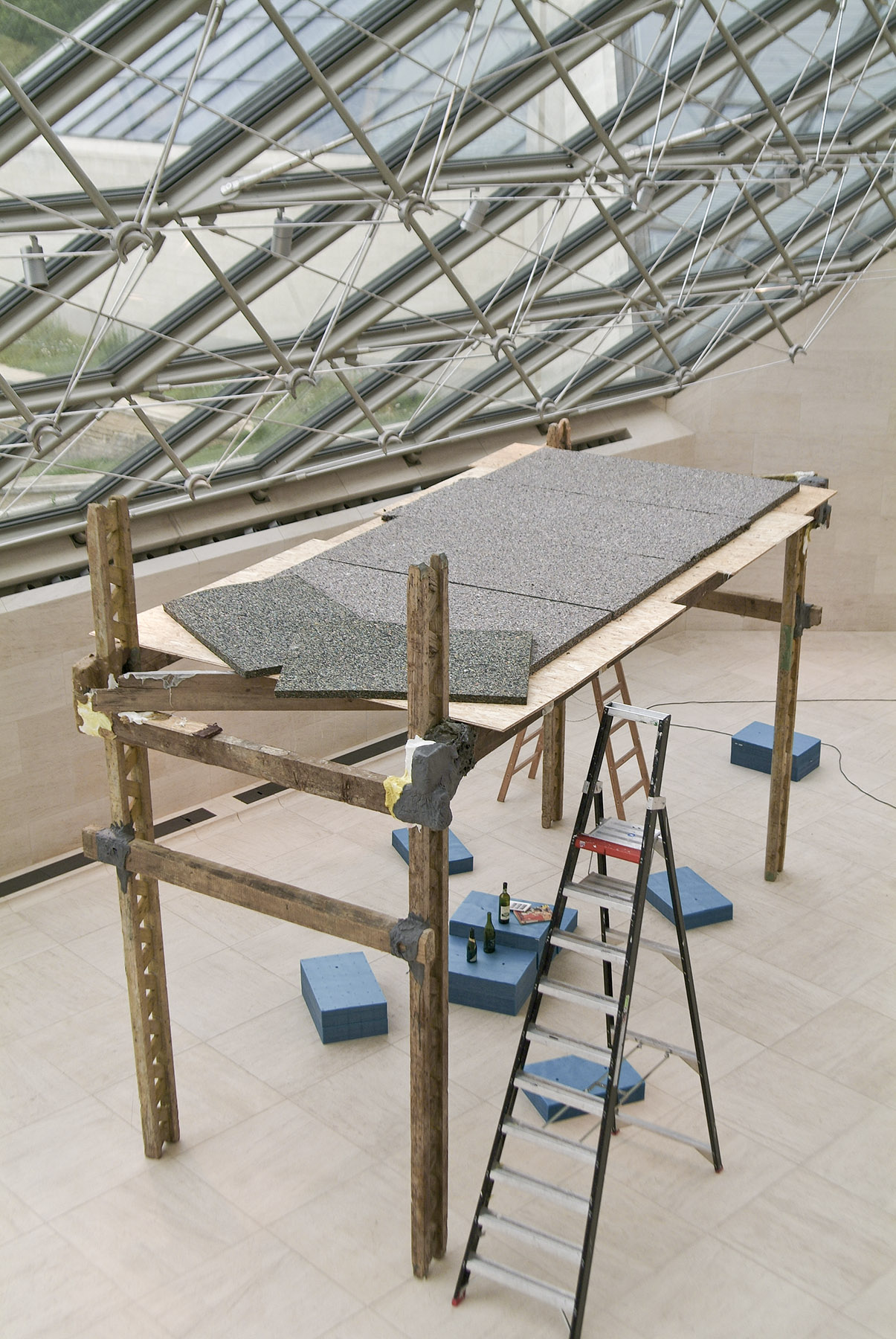
Contribution to Coalition of Amateurs by Jerszy Seymour.
2009
- Commissioned by
- Jerszy Seymour
- Presentation
- The Contemporary Art Museum of Luxembourg
- Material
- found elements
- thermoplastic
-
Crate Shelf
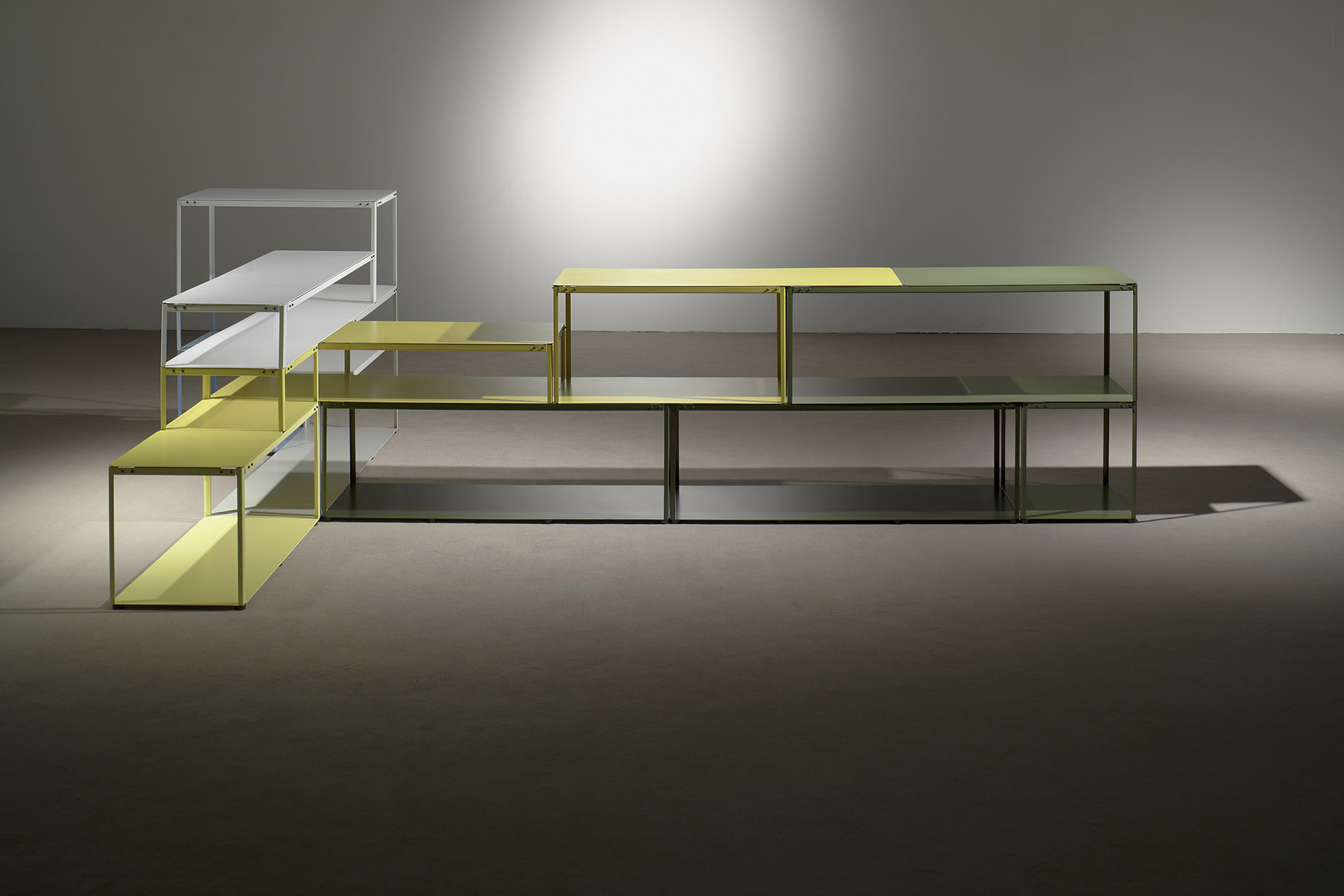
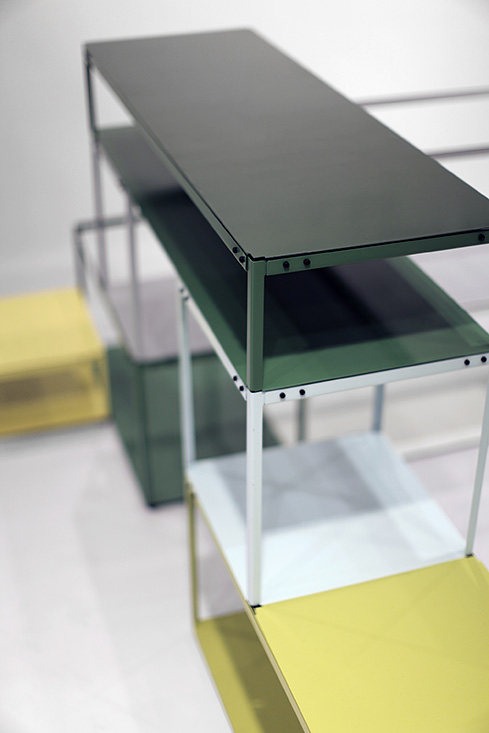
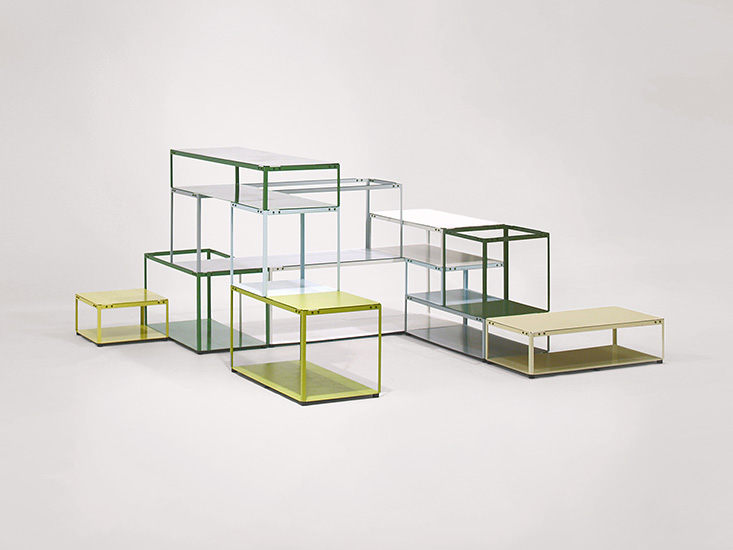
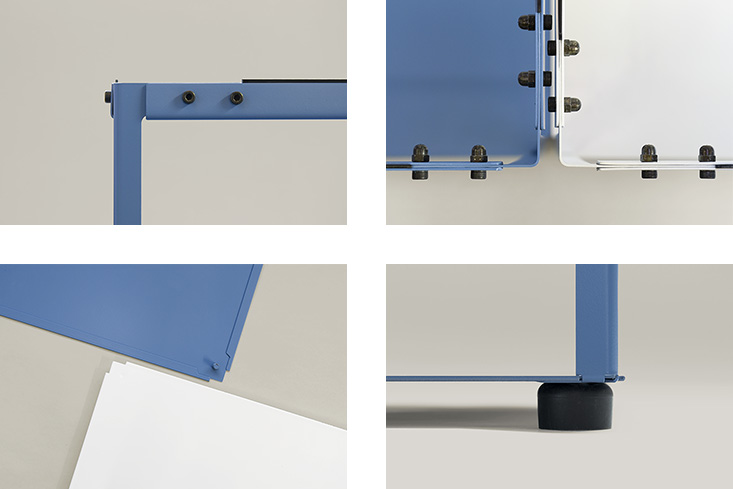
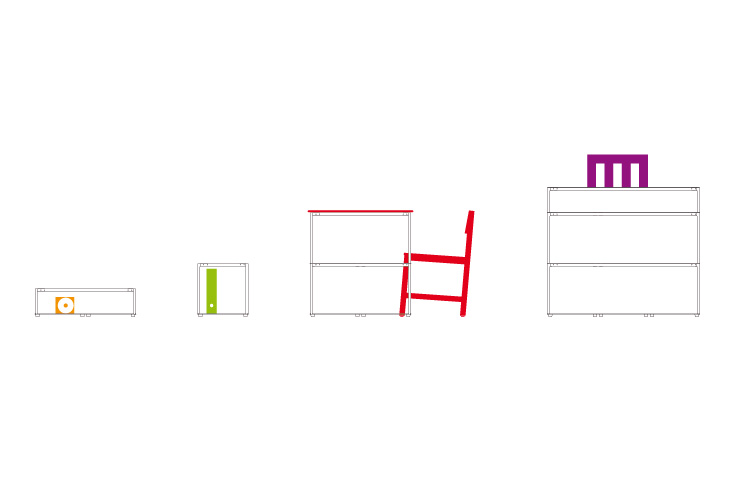
The faculty of this modular shelving system to accumulate in three dimensions makes it an efficient storage system as well as a means for structuring spaces.
Laser-cut and bent steel, plastics, 2009.
-
Shades
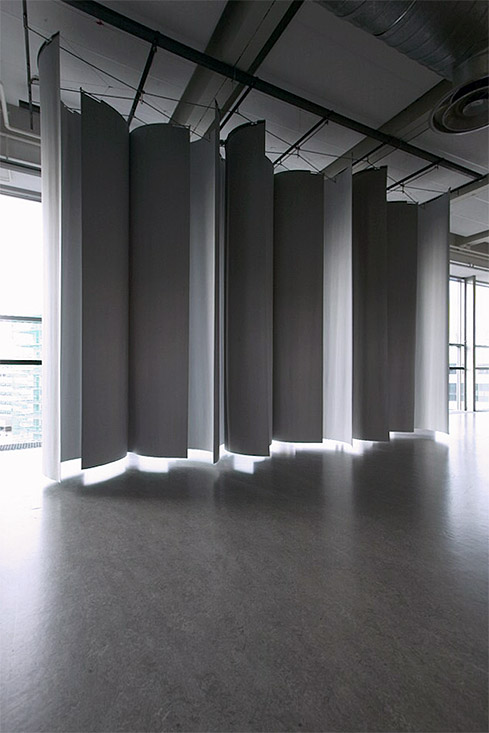
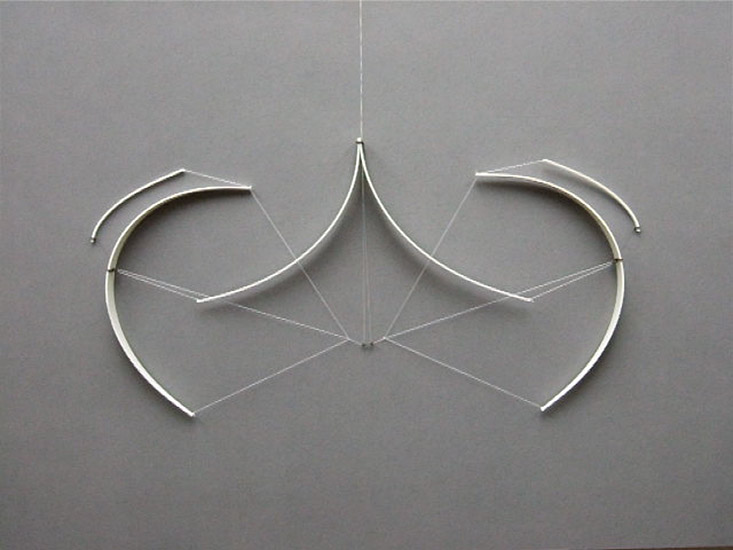
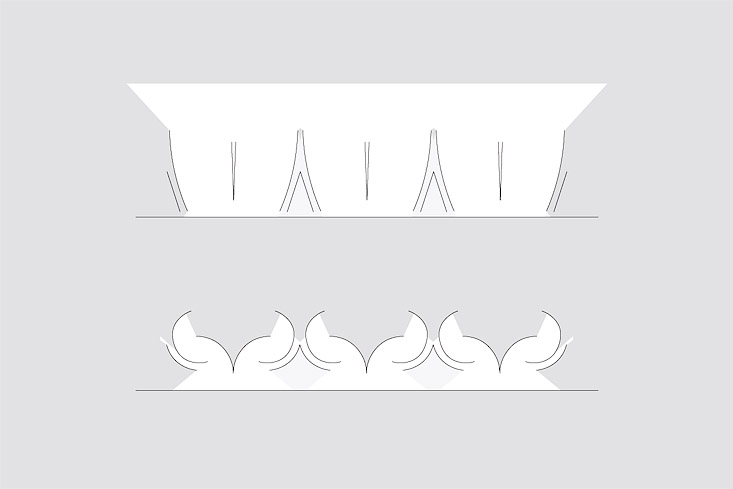
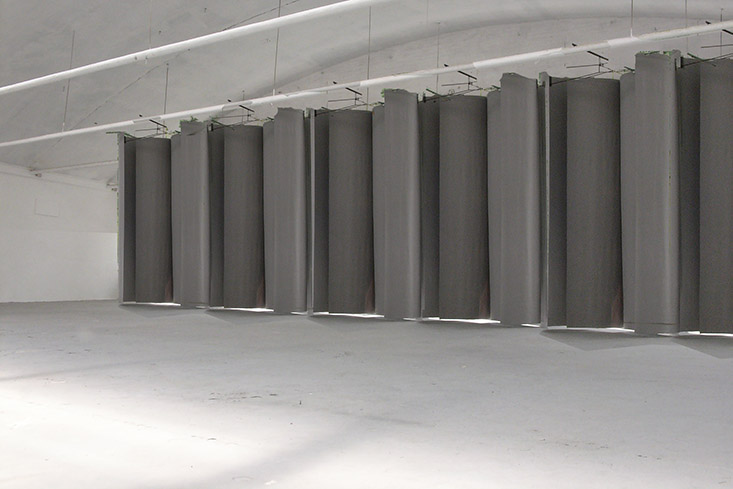
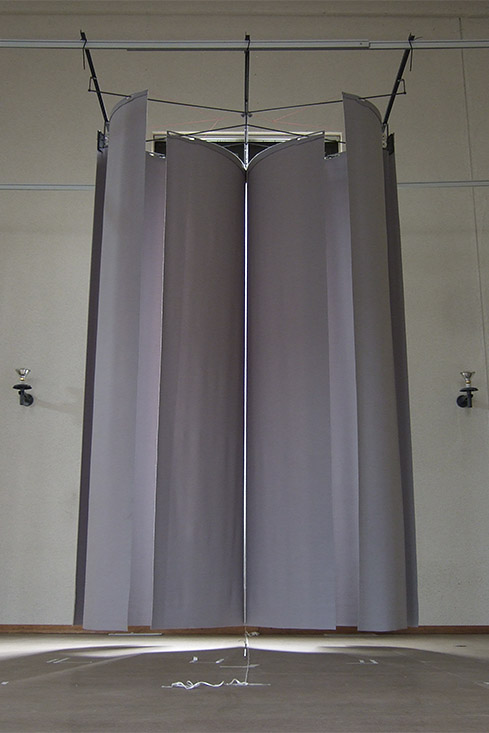
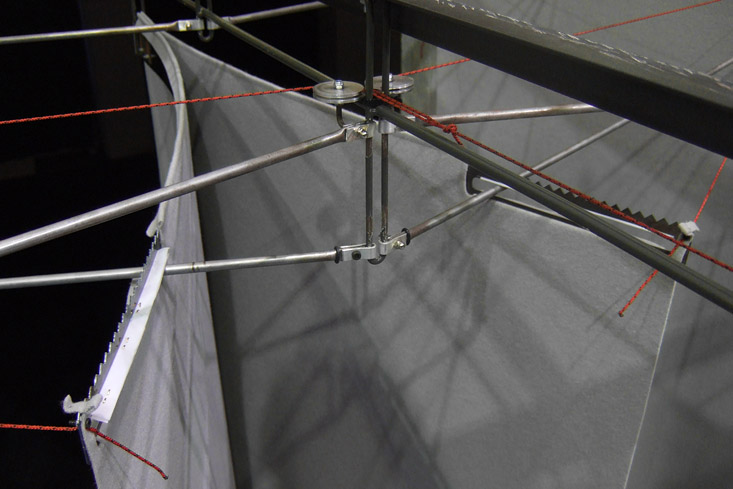
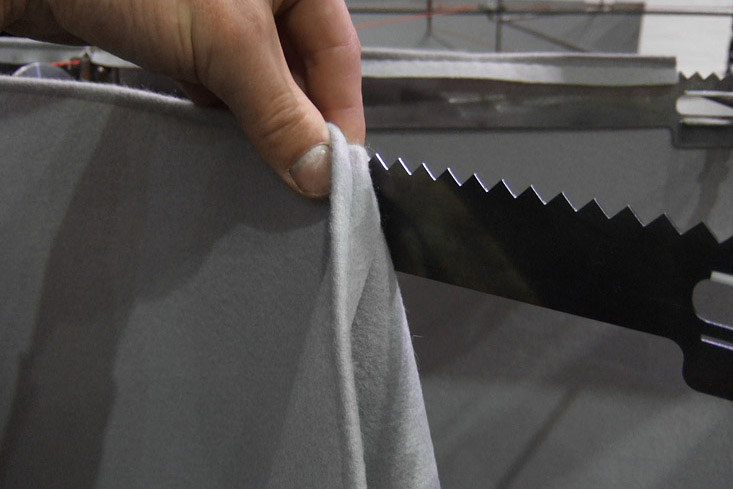
By bending opaque textile panels, the Shades curtain allows to regulate a room’s daylight exposure from direct to fully indirect.
When shut, direct light no longer reaches any point in the room. Instead, its reflection is caught on the textile, providing a majestic manifestation of indoor natural light. The curtain movement is driven by a string mechanism which can be operated either manually or electrically. Electronic triggering of the movement in function of the momentary daylight situation can be implemented by use of a photo sensor. Next to softening the light atmosphere, the curtain also has favorable acoustic properties. Shades can be applied as a window shielding or a spatial design element, and works in relation with natural or artificial light.
Wool, steel, electronics, various materials, 2007.
-
Voorterweg 136
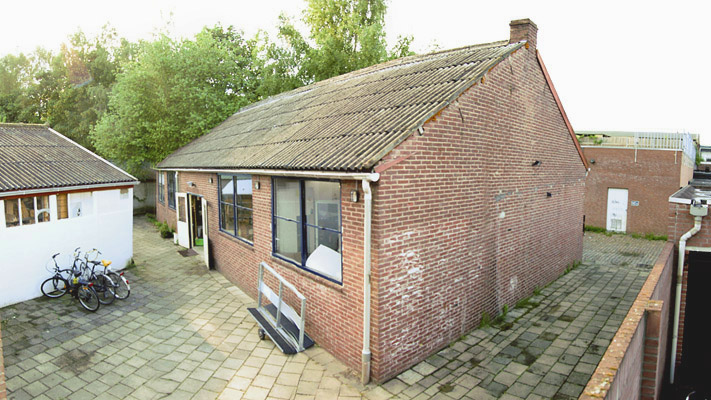
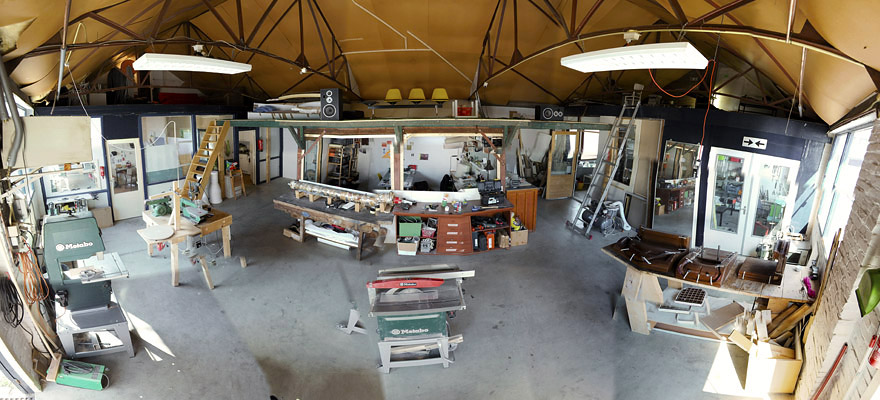
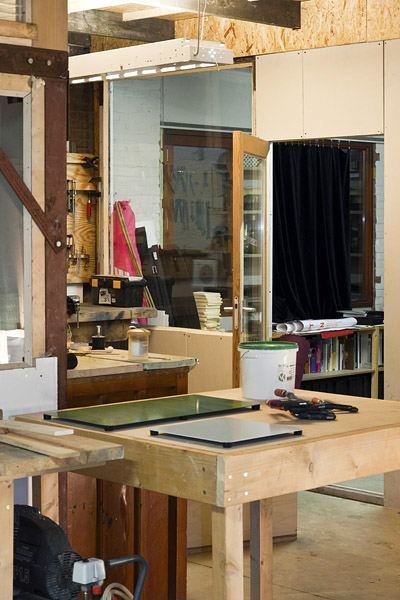
Construction of the atelier building at Voorterweg 136 in Eindhoven.
With François Dumas, Garance Echazarreta, Erasmus Scherjon, Gero Asmuth, Max Lipsey, Jakob Hohmann, 2009 — 2011.
-
Huuda Huuda
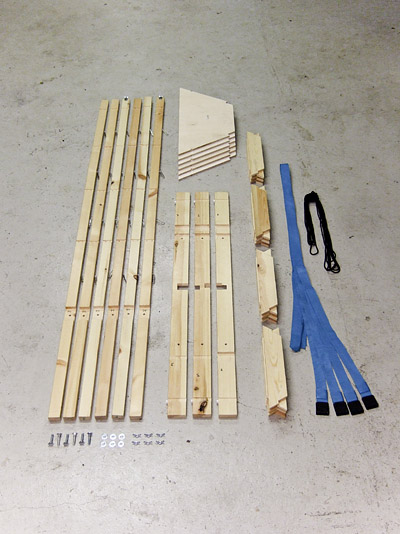
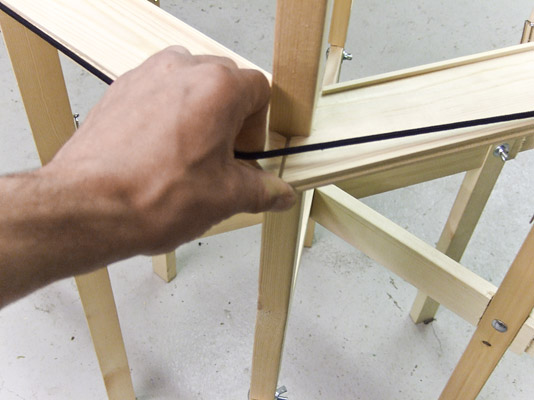
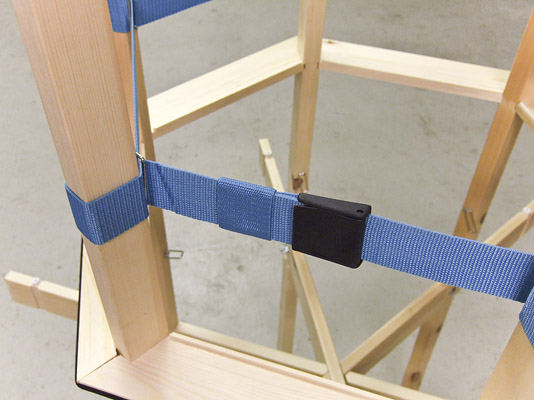
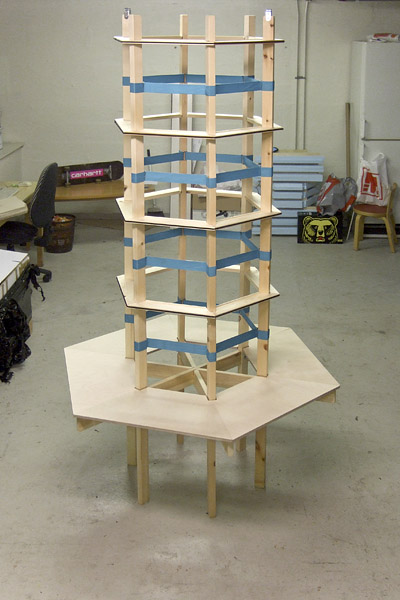
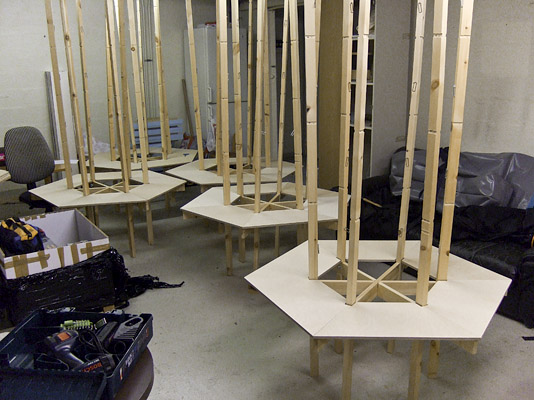
Trade fair displays for comic publisher Huuda Huuda. Five shelves to be transported across Finland by one man but no car. Tool-free belt and beam design, custom made transport trailer.
Various materials, 2008.
-
Pitkämies display furniture
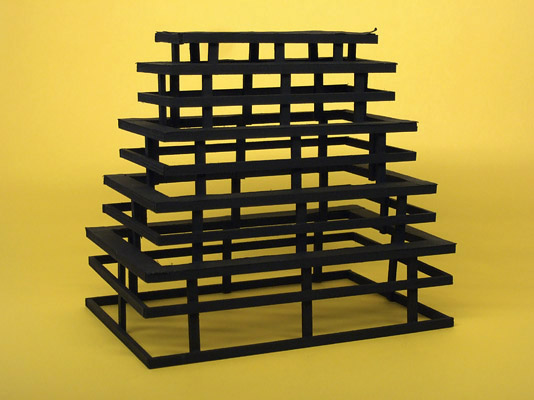
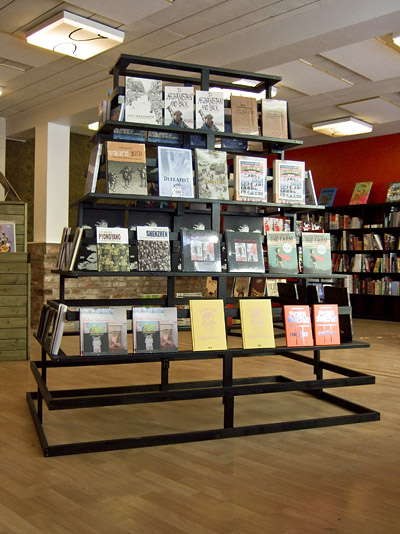
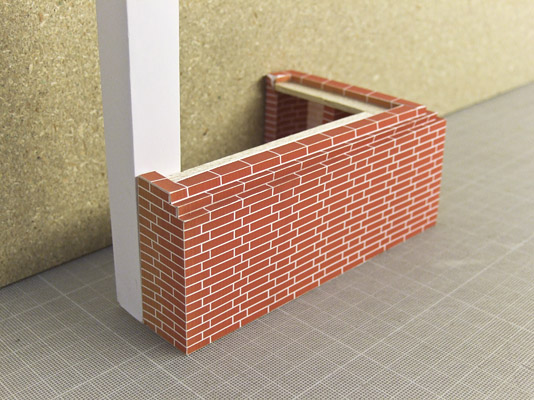
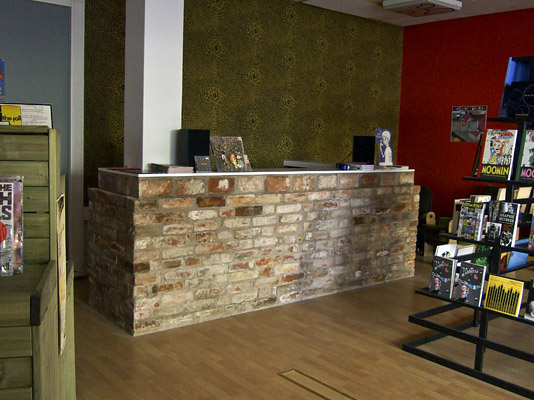
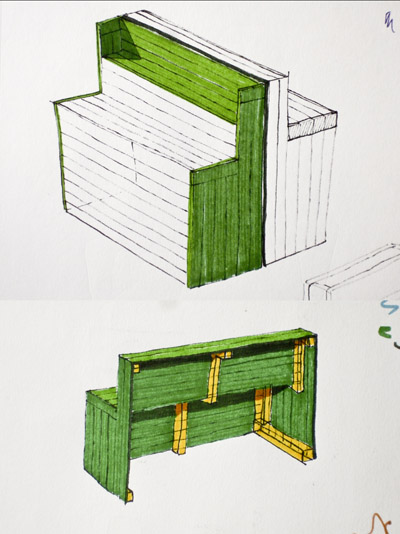
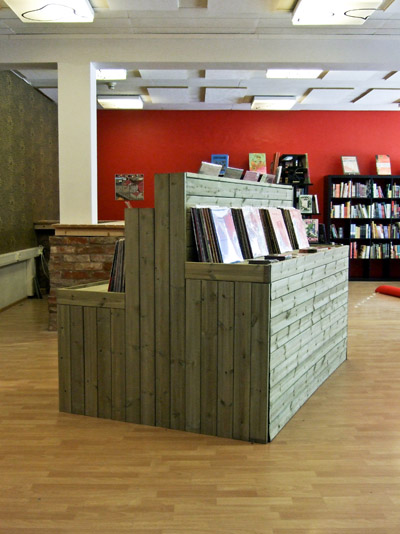
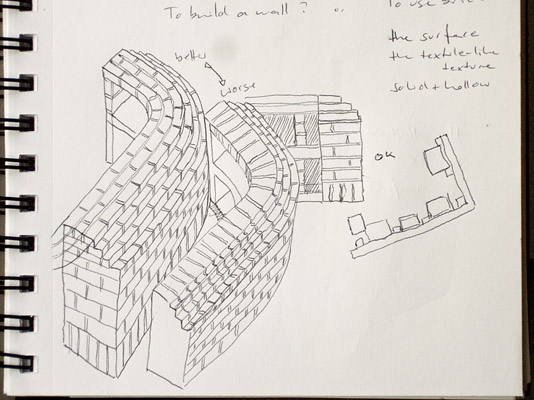
Counter, book and record shelves for Jelle Hugaert’s Pitkämies comic store in Helsinki. Also housing the Finnish Comic Society’s gallery and the studio of comic drawers’ collective Kuti Kuti, the design for the shop was made to honor the hand as the building’s main force.
Various wooden materials, brick, 2008.
-
Clamp
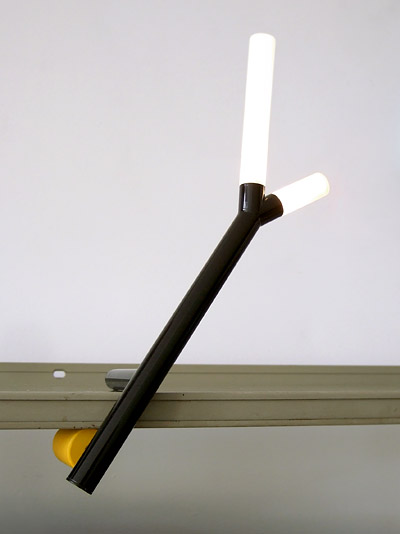
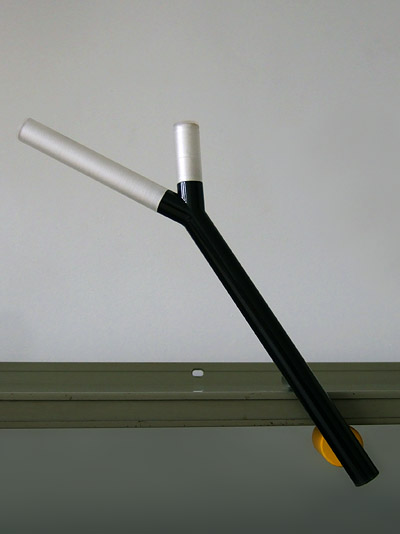
An accent light with a tilting switch that locks onto level boards by means of its own weight.
Steel, electronics, polycarbonate, 2006.
-
Stackbox
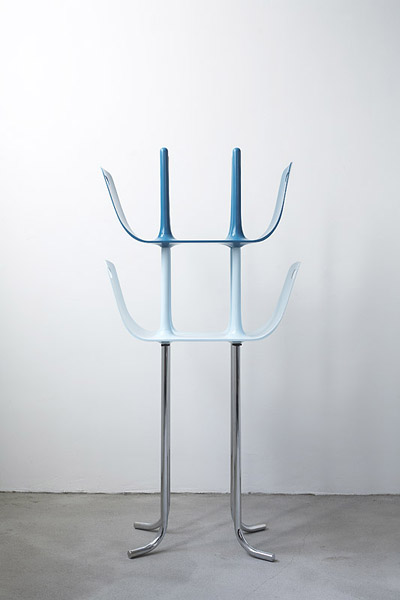
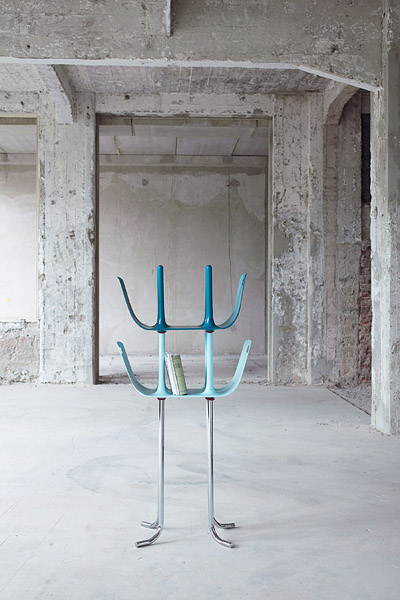
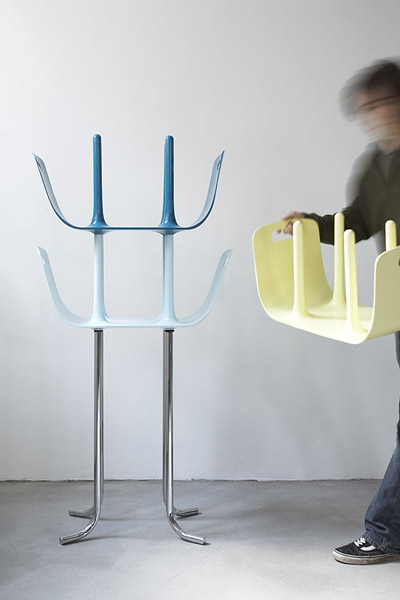
Stackbox is a container that can be raised on legs to make a sideboard, stacked to form a shelf or function as a transportation crate.
Polystyrene, steel, 2007.
-
Long Vase
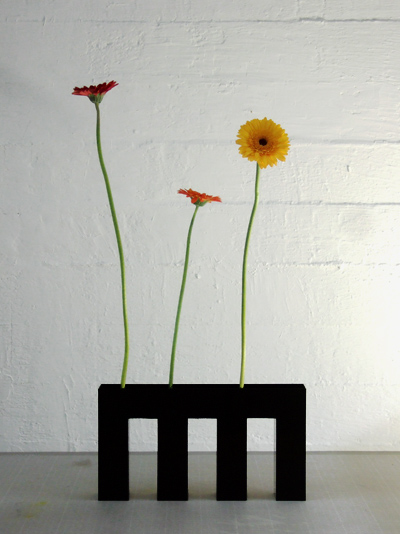
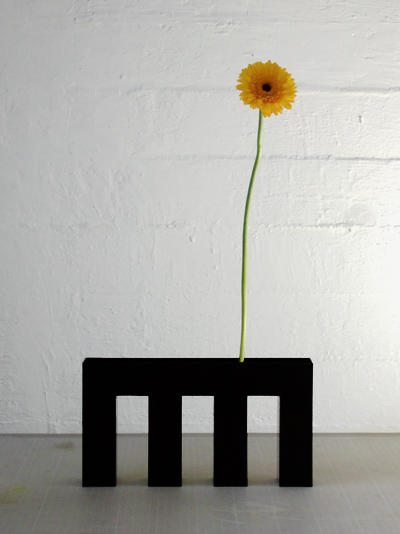
A vase to put flowers next to one another.
Polystyrene, 2008.
-
223DCNC
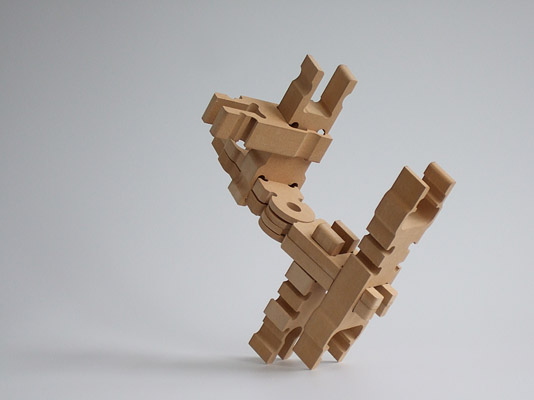
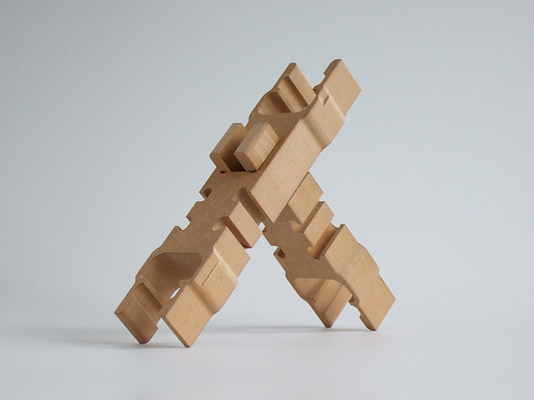
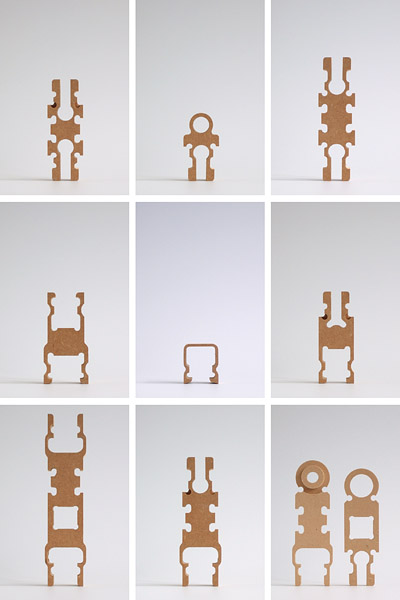
223DCNC is a formal and mechanical study of the possibilities to create three-dimensional constructs departing from a two-dimensional production environment. Specific problematics like undercutting and hinges are resolved by employing the thickness of the material as an agent to change the orientation of a connection.
Study. MDF, 2006.